How it’s made
Detail 1: Glass

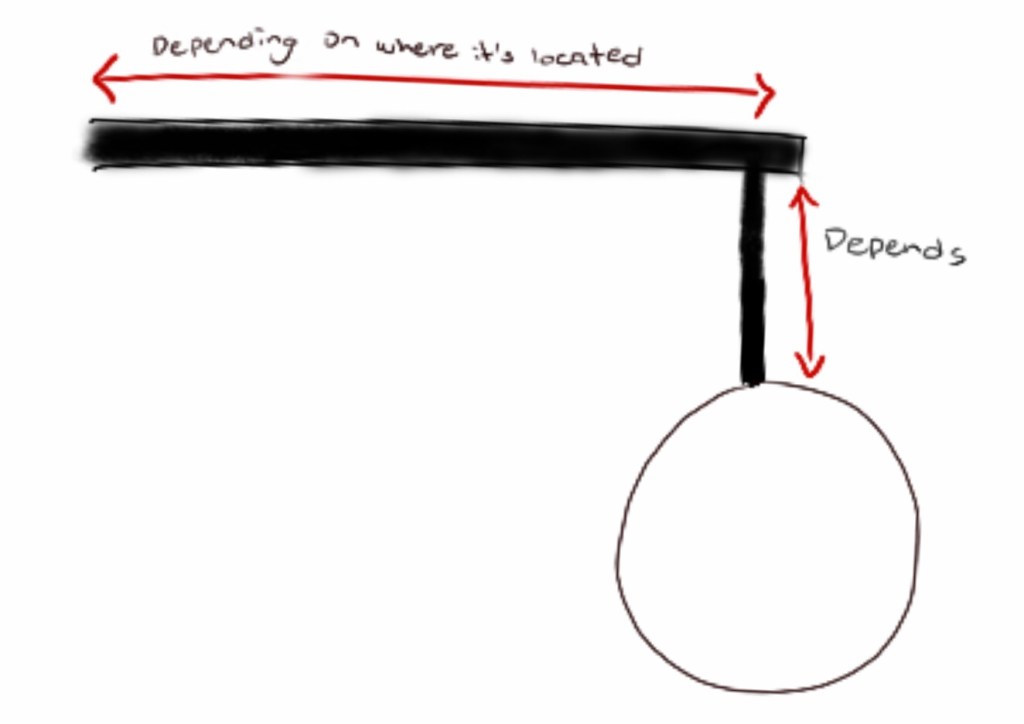
Detail 2: Poles
Multi measurements on depending on which glass it would be
- Notes:
- Use a background that is similar to the actual background of where the fort lane is
- Render an image that look’s through the glass to show the kaleidoscope experience
- Play with the form of the glass and how we interact with it
- why is it located on the side of the buildings, make sure that people will have look through it that they don’t just walk past it
- What’s the point
What does it do
What’s important about this - Viewing lens kaleidoscope
- What the thing is and it’s purpose (olafur eliasson website)
Instead on maintaining to looking forward i invented ……. to look up laneways (horizontal line)
take olafur eliasson paragraph layout and make my own
my series of glass intervention i ……
Reference:

Retrieved from: https://olafureliasson.net/archive/artwork/WEK110949/gesellschaftsspiegel#slideshow
Mine:
Located in between the two busiest lanes of Auckland city centre, these multiple coloured glass interventions can be seen from afar above the heads of the crowd. They appear from the outside to be solid, transparent mirror-like. up close, they are in fact simple kaleidoscopes, formed by tampered different coloured mirrors and rotations. Elevated above the crowd on each side of the wall of the buildings, they are coloured transparent glass that will coloured shadows into the site. Viewers can look through some that are at an eye-level so see the site through a filtered glass. I’ve compared them to other pavilions and glass installations that offers a contemplative moment to escape from the busy surroundings of the city and the horizontal perspective that dominates the contemporary consumer’s environment of the city. The title, which translates to ‘the beauty within its reflection’, suggests that these stained glass perspectives reflect the
After having a 1 on 1 talk with Emily
I sketch another idea on how the glass would overhang from the top however, I have noticed that it’ll be harder to implement this as the buildings aren’t aligned with each other
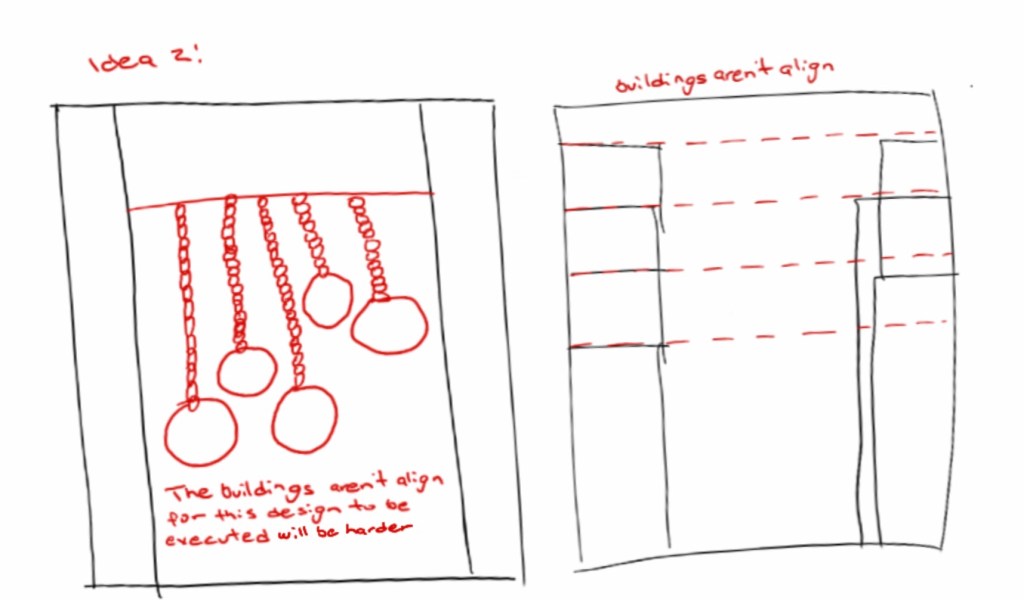
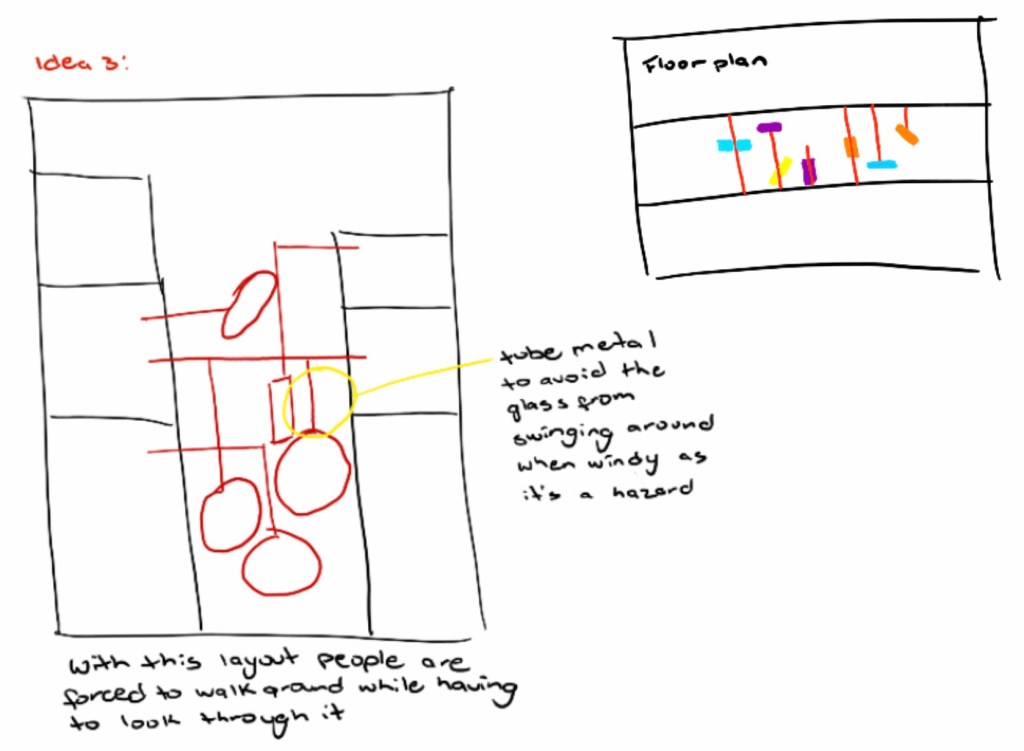
Why is it simple?
As the fort lane is a narrow lane I wanted to create a simple intervention concept for it by manipulating how people see their surroundings as well as using the cinematic device kaleidoscope as an idea to create a filtered surrounding.

The CMY Pavilion Uses The Glass To Mix Colors

Shift’s intervention reinterprets the idea of “instable facades”. Instead of using the glass envelope to mix videos, the CMY pavilion uses the glass to mix colors. By applying translucent films in the colors cyan, magenta and yellow onto the glass, the pavilion turns into a three dimensional graphic piece that changes continuously with the movement of the spectator. The colored pattern of diagonal bands that wrap around the building is derived from the rigid paneling system of the structure. Because of the parallel transparent facades, the color bands start mixing according to the subtractive color model. The overlap of the “real” primary colors on the glass create secondary “virtual colors”: C + M = Blue, Y + C = Green, M + C = red. The transparent pavilion becomes a dynamic color space with a strong urban presence.
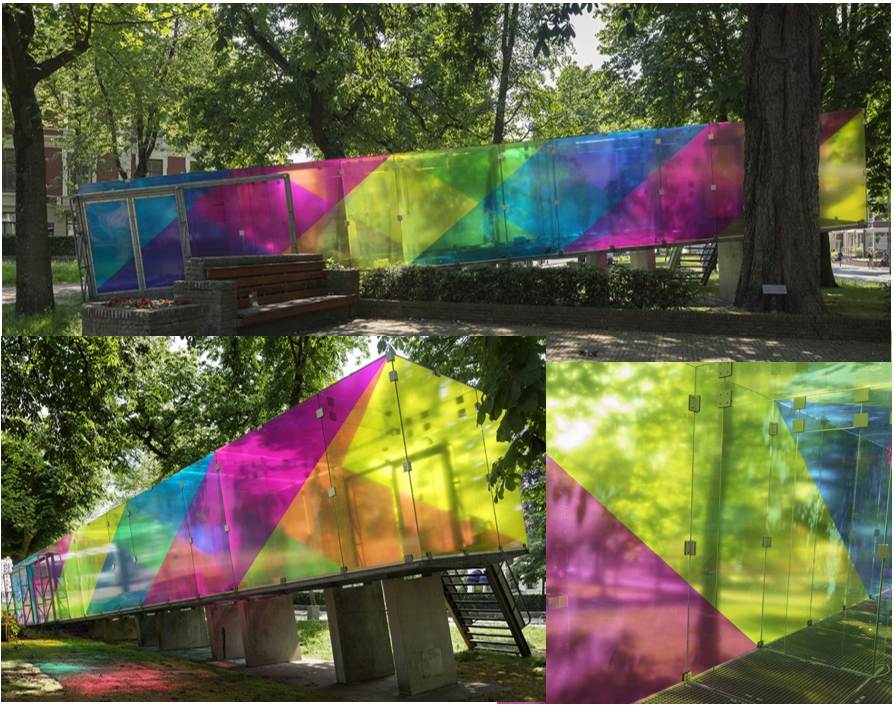
Retrieved from: http://inspirationist.net/the-cmy-pavilion-uses-the-glass-to-mix-colors/
Laminated glass?
The lamination process allows the glass to be weather and UV proof. This is a process that Associated Crafts® & Willet Hauser® introduced to the United States in the 1960s. After visiting a glass factory in Amsterdam the company brought the process back and has been performing lamination for decades. Laminated glass was previously done by using a primer on the glass surfaces and creating layers of the glass. Today the lamination process is performed very differently. The process now allows many different possibilities including creating stained glass on a large scale without the use of lead. Design possibilities utilizing this method of art glass range from glass etching and enameling to glass edges lit with fiber optics or LED lights.
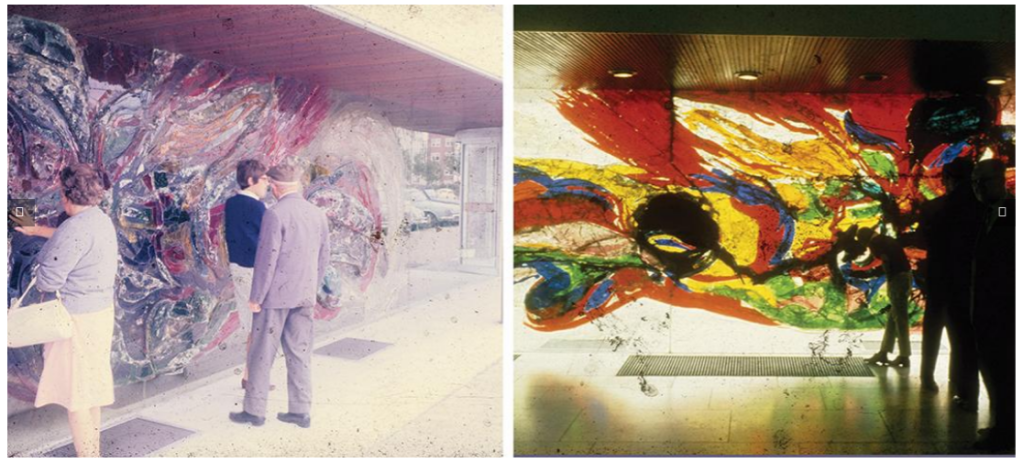
Can laminated glass be used for stained glass?
Laminated glass was previously done by using a primer on the glass surfaces and creating layers of the glass. Today the lamination process is performed very differently. The process now allows many different possibilities including creating stained glass on a large scale without the use of lead.
Retrieved from: https://stained-glass-window.us/services/fabrication-of-new-stained-glass-windows/glass-lamination/
Material lists:
 Angel
Angel 