My initial concept from week 1 – 3/4:
Create a threshold of mirrors for the site located in the middle of the site near the Imperial building. The key design value of this was to appreciate that there’s more than what the eye sees (history, story, etc.) this was also my way of manipulating how we see our surroundings.
I was really intrigued with the idea of two worlds and the reflection of the mirror resembles the opposite side of the globe which in this case what every country is the opposite to NZ
Mirrors also provide an atmosphere of the space/site bigger/spacious than it usually is, while in this case, it’s a good idea to create this concept as the Fort Lane is narrow
Concept changes week 4-6:
mirrors -> glass
Idea threshold to the idea of consciousness and unconsciousness as the colours are predominantly neutrals making this the unconsciousness and looking through the glass or its shadows will be consciousness.
I decided to apply my two different interests: minimal designs and interests of colours. I want people to see through my eyes where my room design style is minimal however as a gamer and streamer i see colourful colours on my pc set up through rgb lights.
Explore coloured glass
Different dimensions, structures, colours,
Concept location: in the middle of the site (outside the imperial building)
In reference to Verner Panton’s work https://artdeco.water.blog/2020/03/12/week-3/
Generally, people know what glass looks like but they may not know what glass is. Glass is defined by Merriam-Webster as “a hard, brittle, amorphous, usually transparent or translucent material consisting typically of silica.”. The “material” actually is a liquid of very great viscosity or “resistance to flow in a fluid.”
When looking for the right type of glass for any particular purpose, you need to consider:
- The amount of light transmitted by the glass
- Solar heat gain allowed by glass
- Thermal conductivity of glass
- Where it will be installed
- Amount of weight or force it needs to sustain
You’ve come to the right place to learn all about glass and glass making. Below is more information about the professionals who work with glass, what glass is made of and what determines the energy efficiency of different glass types. But first, there are so many types of different glass, all with unique properties specific for their use. Click the links below to find out more about each type.
- What Is Float Glass & How Is It Made?
- How Is Rolled Glass & Patterned Glass Made?
- What Is Safety Glass and What Types Are There?
- Benefits of Reflective Glass & How It’s Made
- What Is Low-emissivity Glass & How Can It Help?
- How Insulated Glass Is Made & How It Can Help Your Home
- What Is Self-cleaning Glass & How Does It Work?
- What Is Specialty Glass & Spandrel Glass?
- Is Glass Recyclable?
What is a Glazier?
No matter the type of glass, the material is installed or, when damaged, repaired by a glazier. People have known about glass for thousands of years, but few dare to handle it every day. Those who do are glaziers (not glaciers); members of a select, little-known professional trade specializing in glass installation and restoration. As science and research continue to develop new glass products, the glazing profession becomes more complex. People with mechanical ability, detailed thinking and hands-on work skill, who love a new challenge every day, are in high demand nationwide to join the glazing profession. Glass Doctor franchise owners recruit the best glaziers to be glass specialists, especially those who are certified by the National Glass Association (NGA). Glass Doctor specialists are qualified to cut and handle all sizes and types of glass. Because the glass industry is changing quickly, Glass Doctor specialists continue to develop their skills through web-based distance learning tools such as MyGlassClass.com. Some Glass Doctor specialists are cross-trained to work on home, auto and commercial glass, while others specialize in one type of glass; similar to general practitioners and specialists in the medical field. While practicing glass repair and replacement is not as complex as practicing medicine, the same care must be taken because the glass is important to the person – the customer – who needs help.
What is Glass Made Of?
Basically, glass is sand; a high-quality silica sand, to which other materials are added. The resulting mixture is called a batch. Other materials in the batch are salt cake, limestone, dolomite, feldspar, soda ash and powdered cullet. Cullet is broken glass. It remains from a previous batch or from the edges that remain after a batch of glass has been formed and cut to size. Adding cullet helps the batch melt easily. Glass making is done by melting and cooling the batch. As the batch cools, it becomes solid without forming crystals. Crystals are three-dimensional building blocks that make a substance internally rigid. The lack of crystals makes glass technically a liquid, not a solid. It also makes glass transparent.
Energy Efficient Glass
One of the biggest differences in glass types is its energy efficiency. Low-E, reflective and insulated glass contribute to energy efficiency by increasing the effectiveness of the insulating system. Energy efficiency is measured in two ways, the U-value and the R-value. The U-value is a measure of the heat gain or loss through glass due to the difference between the indoor and outdoor temperatures. The lower the U-value, the less heat is transmitted through the glass. The R-value measures the overall resistance to heat transfer. The R-value is the reciprocal of the U-value. The higher the R-Value, the less heat is transmitted through the glass. For example, a material with an R-value of 19 is a much better insulator than one with an R-value of 6.
Glass for Windows Fun Facts:
- The ticker the glass in a window, the lesser outdoor noise can be heard from the inside.
- On the average, 15% of house walls is comprised of windows.
- Light can pass through glass because it has a random molecular structure. Making it the only solid thing that can be penetrated by light.
- Have you noticed that thicker pieces of glass have more greenish tint on it? This is because of the minerals found in the composition of glass itself. Since majority of the people like thick glass pieces yet uncolored, manufacturers add different minerals to neutralize the color.
- You can never stop a crack once a glass window started to When glass breaks, the cracks move at speeds of up to 3,000 miles per hour.
- Glass takes over 1 million years to decompose in our landfills and dumps. Glass recycling is highly encouraged, since the quality of glass doesn’t decrease no matter how many times it has been reused.
- Hydrofluoric acid will dissolve glass.
- The term glass developed during the later years of the Roman Empire. Tier was one of the centers of glassmaking during those period, which is present day Germany. The word glass came from the Latin word “Glesum” which is probably from a word from the German descent which means transparent, lustrous substance.
https://glassdoctor.com/expert-tips/all-about-glass
Elements of Color in Stained and Colored Glass
Color: The Most Obvious Property of Glass
Color is the most obvious property of a glass object. It can also be one of the most interesting and beautiful properties. Color sometimes defines the usefulness of a glass object, but it almost always defines its desirability.
The Colored Glass Recipe
The earliest people who worked with glass had no control over its color. Then, through accident and experimentation, glass makers learned that adding certain substances to the glass melt would produce spectacular colors in the finished product. Other substances were discovered that, when added to the melt, would remove color from the finished project.
The Egyptians and Mesopotamians both became experts at the production of colored glass. In the eighth century, a Persian chemist, Abu Musa Jabir ibn Hayyan, often known simply as “Geber,” recorded dozens of formulas for the production of glass in specific colors. Geber is often known as the “father of chemistry.” He realized that the oxides of metals were the key ingredients for coloring glass.
The Glass Color Palette
Once the methods of colored glass production were discovered, an explosion of experimentation began. The goal was to find substances that would produce specific colors in the glass. Some of the earliest objects made from glass were small cups, bottles, and ornaments.
Religious organizations were among those who provided incentive to the early glass artisans. Stained glass windows became very popular additions to churches, mosques, synagogues, and other buildings of significance over 1000 years ago. The artists who made these windows needed a full palette of colors to make a realistic stained glass scene. Their search for a full palette of colors fueled research and experimentation to produce a vast array of colored glass.
Colors of Duration
Then, another problem was discovered. Many of the glass colors did not stand up to year-in, year-out exposure to the direct rays of the sun. The result was a stained glass scene of deteriorating beauty. Some colors darkened or changed over time, while others faded away.
Red, a very important color for use in a stained glass window, was especially vulnerable to fading. Artists in many countries worked to produce a red glass that would hold its color through the years under the direct sunlight that passed through the windows. Eventually a permanent red color was developed by adding small amounts of gold to the glass. This significantly increased the cost of the glass, but the red color was achieved. Even today, if you purchase a red sheet of glass it will cost significantly more than any other color.
Metals Used to Color Glass
The recipe for producing colored glass usually involves the addition of a metal to the glass. This is often accomplished by adding some powdered oxide, sulfide, or other compound of that metal to the glass while it is molten. The table below lists some of the coloring agents of glass and the colors that they produce. Manganese dioxide and sodium nitrate are also listed. They are decoloring agents – materials that neutralize the coloring impact of impurities in the glass.

Widely Known Glass Colors
Some colors of glass are widely known. Perhaps the best example of this is “cobalt blue” that is produced by adding cobalt oxide to the glass melt. “Vaseline glass” is a fluorescent yellow-green glass that contains small amounts of uranium oxide. “Ruby gold” and “cranberry glass” are red glasses produced by the addition of gold. “Selenium ruby” is a red color caused by the addition of selenium oxide, and “Egyptian blue” is produced by the addition of copper.
Minerals: The Keys to Coloring Glass
The sources of the oxides, sulfides, and other metallic compounds used to color glass are minerals. These minerals are typically mined, processed to remove impurities, and used to manufacture coloring agents for glass. The keys to beauty often come right from the Earth.
https://geology.com/articles/color-in-glass.shtml
Types of coloured glass stained glass


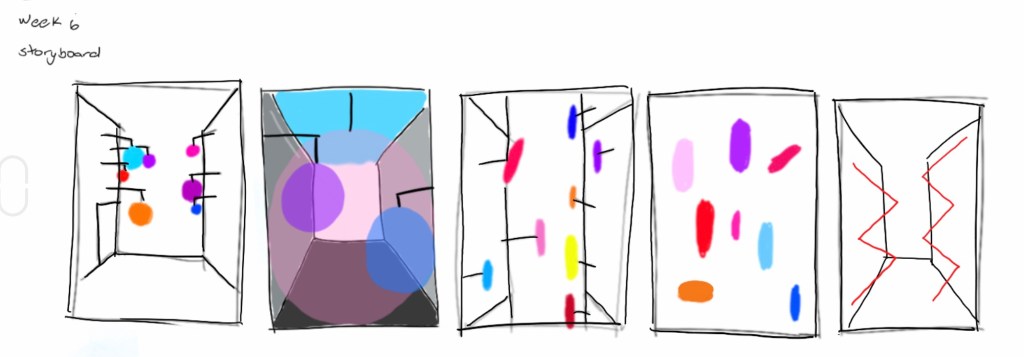
Storyboard
 Angel
Angel 