Mirrors:
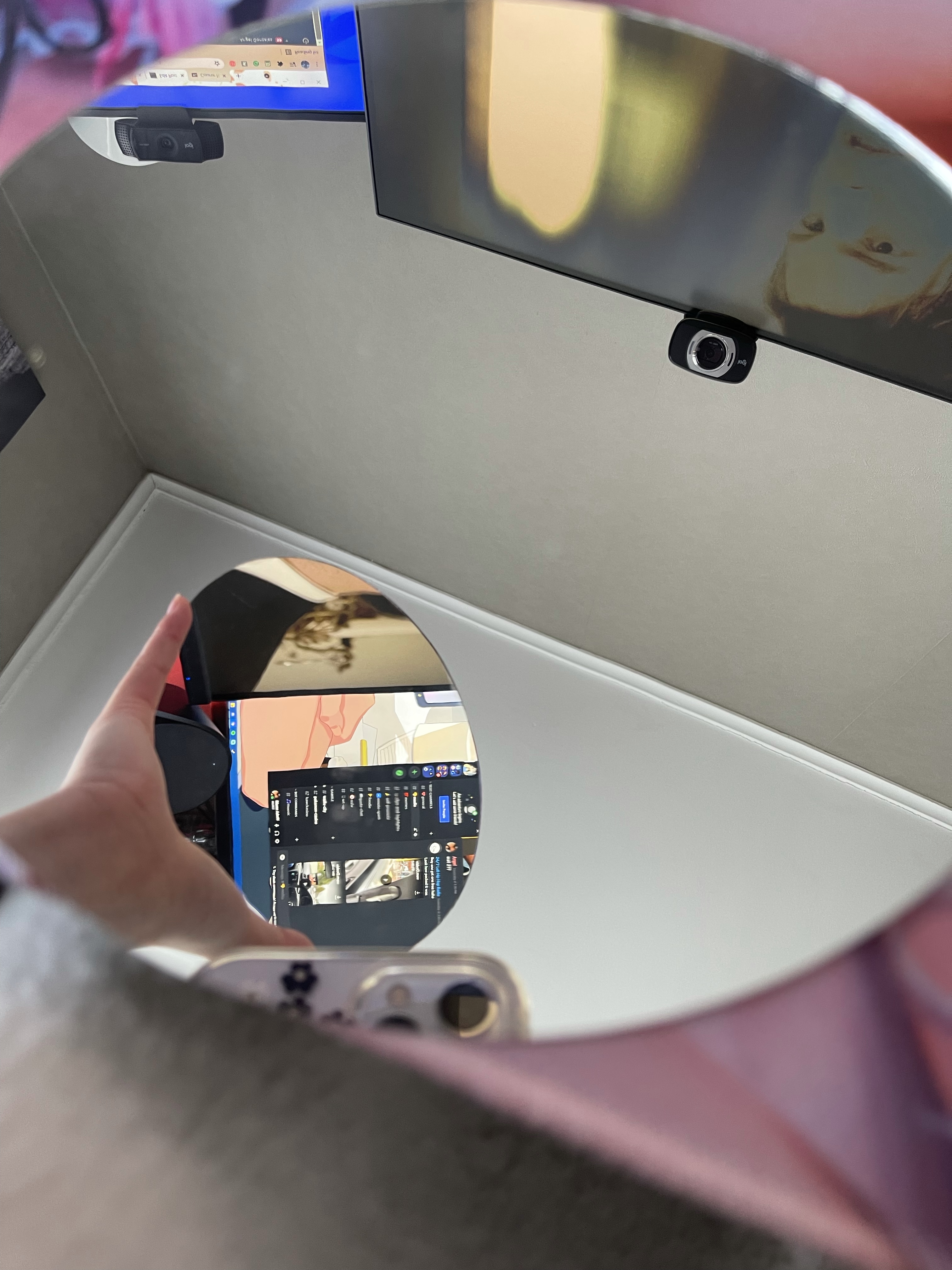
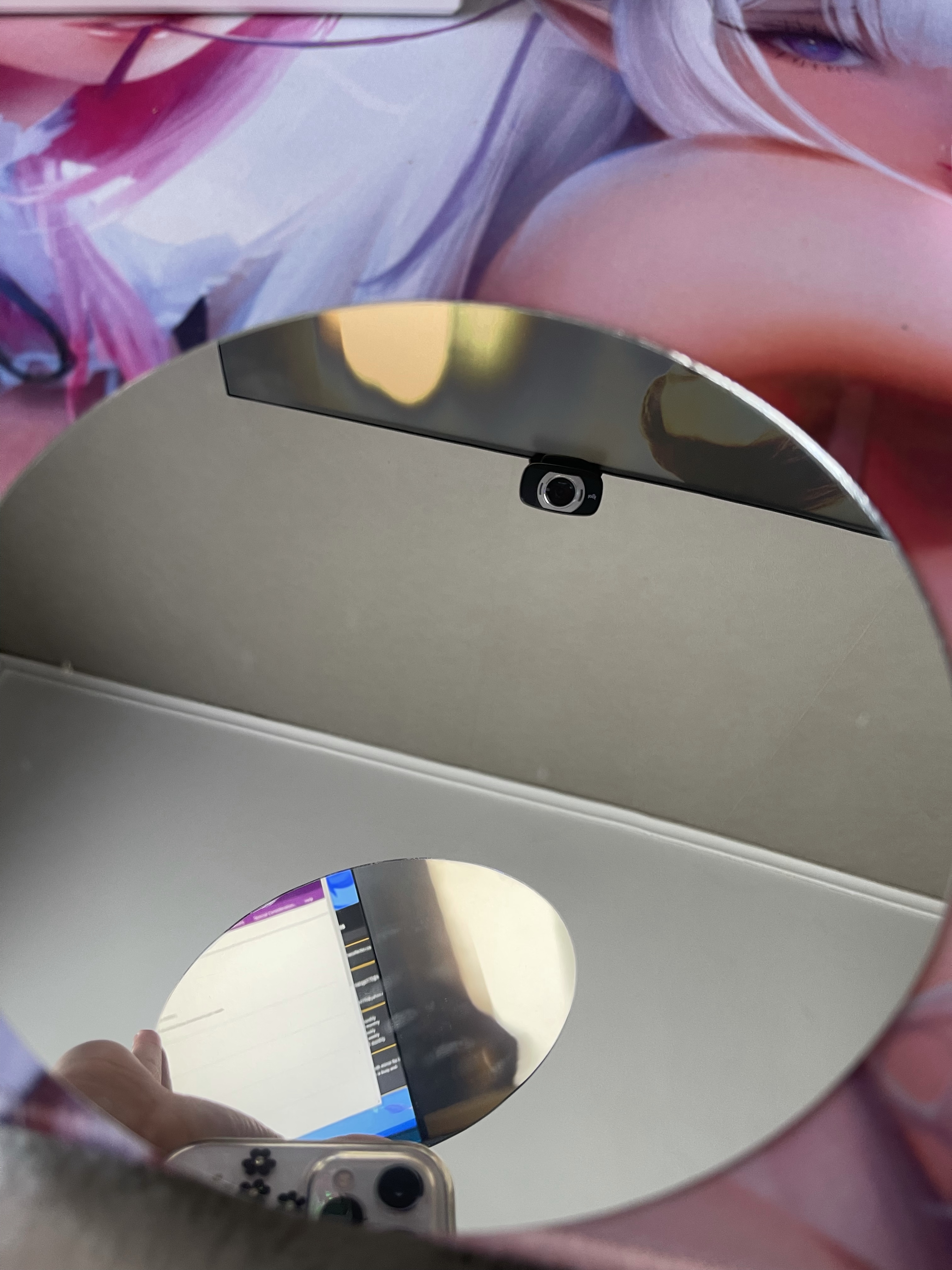
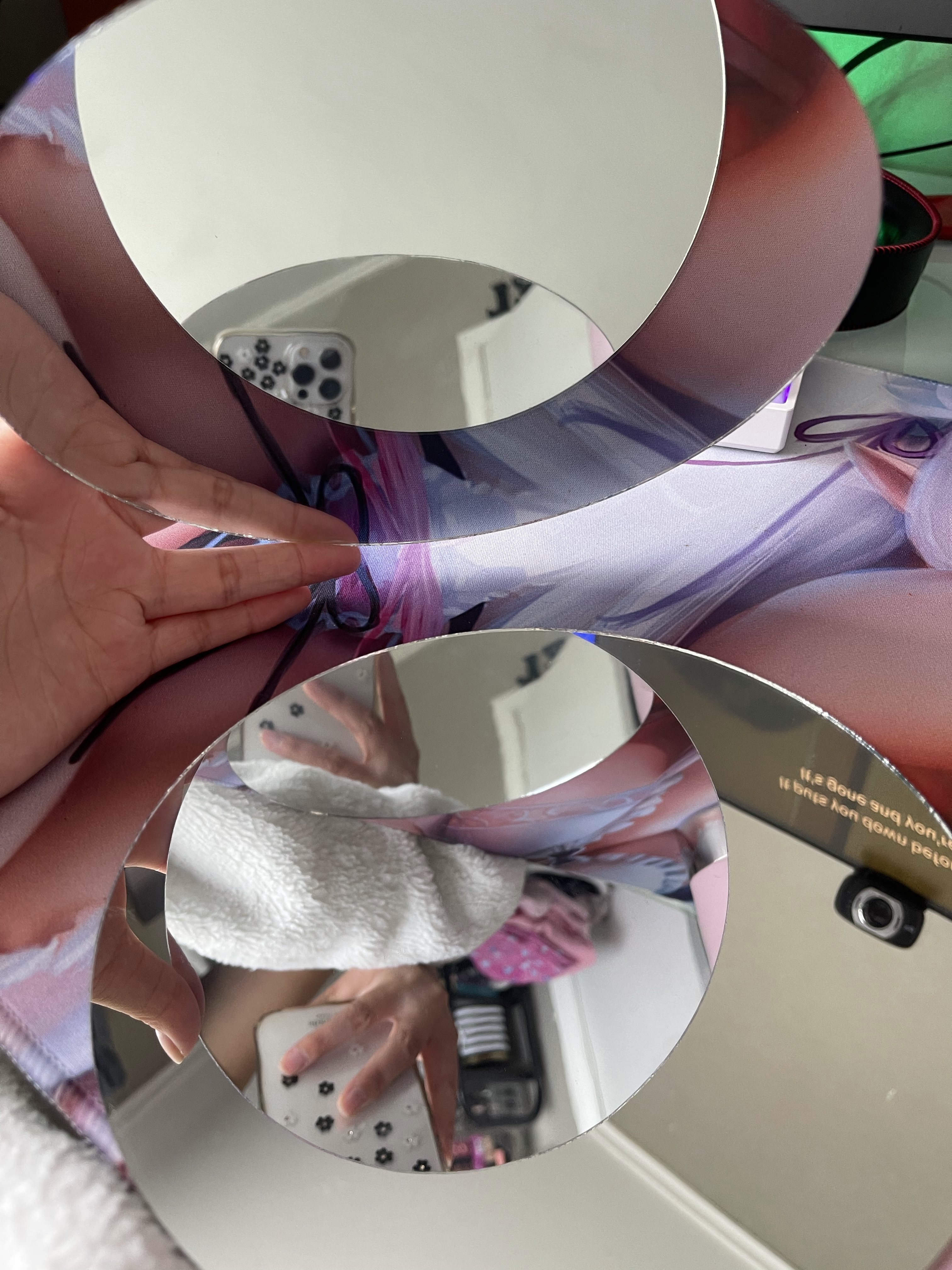
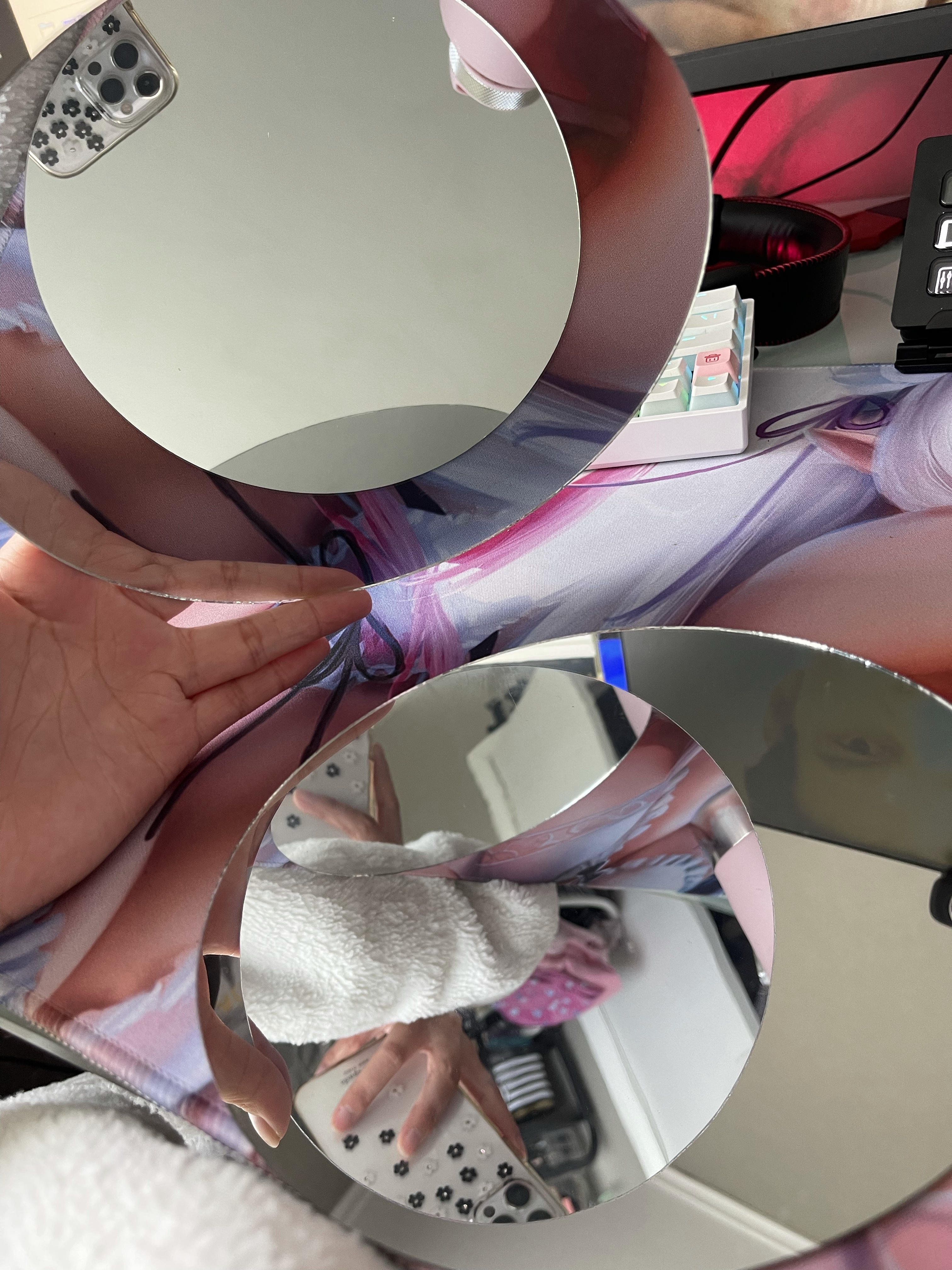
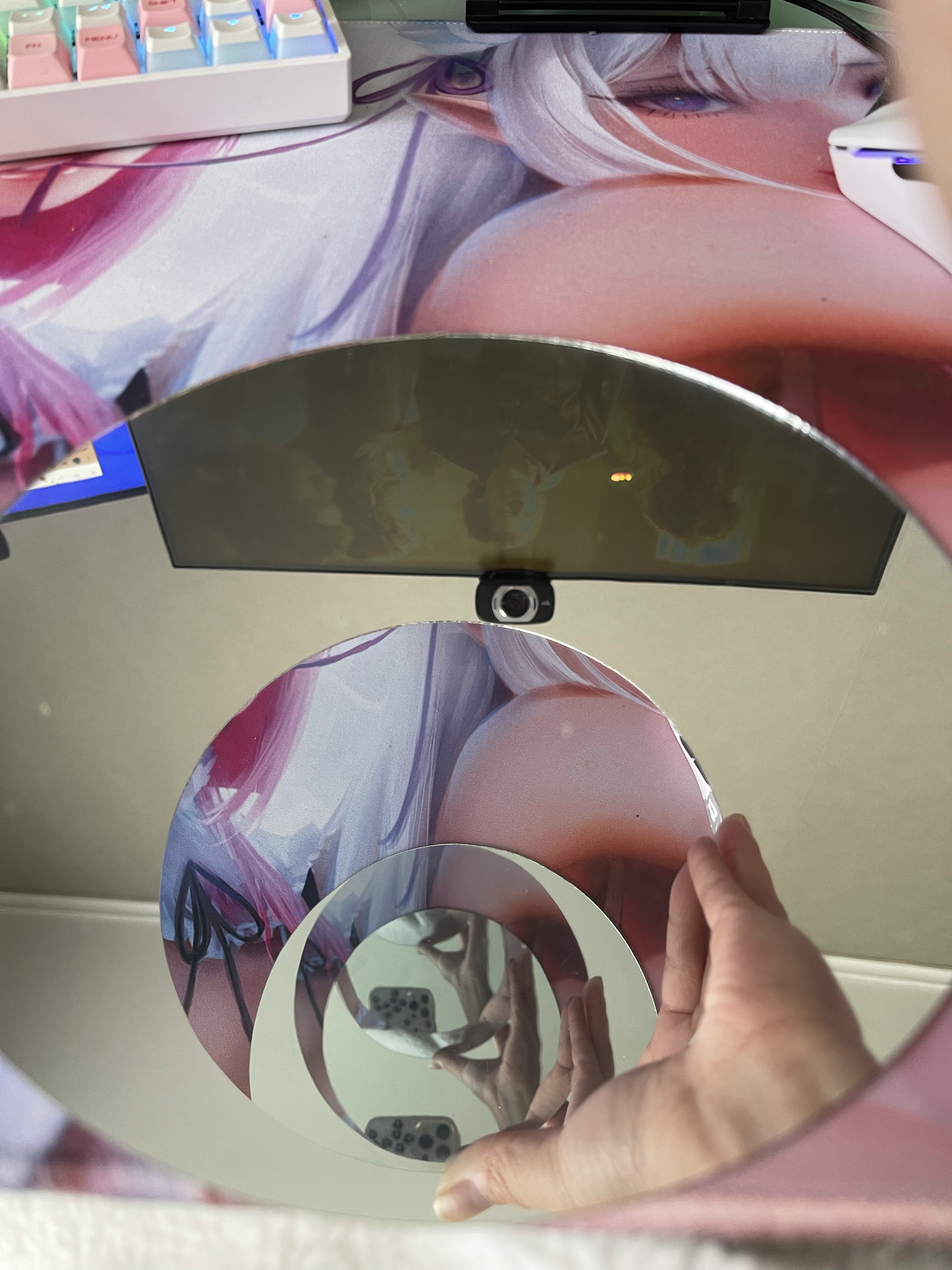
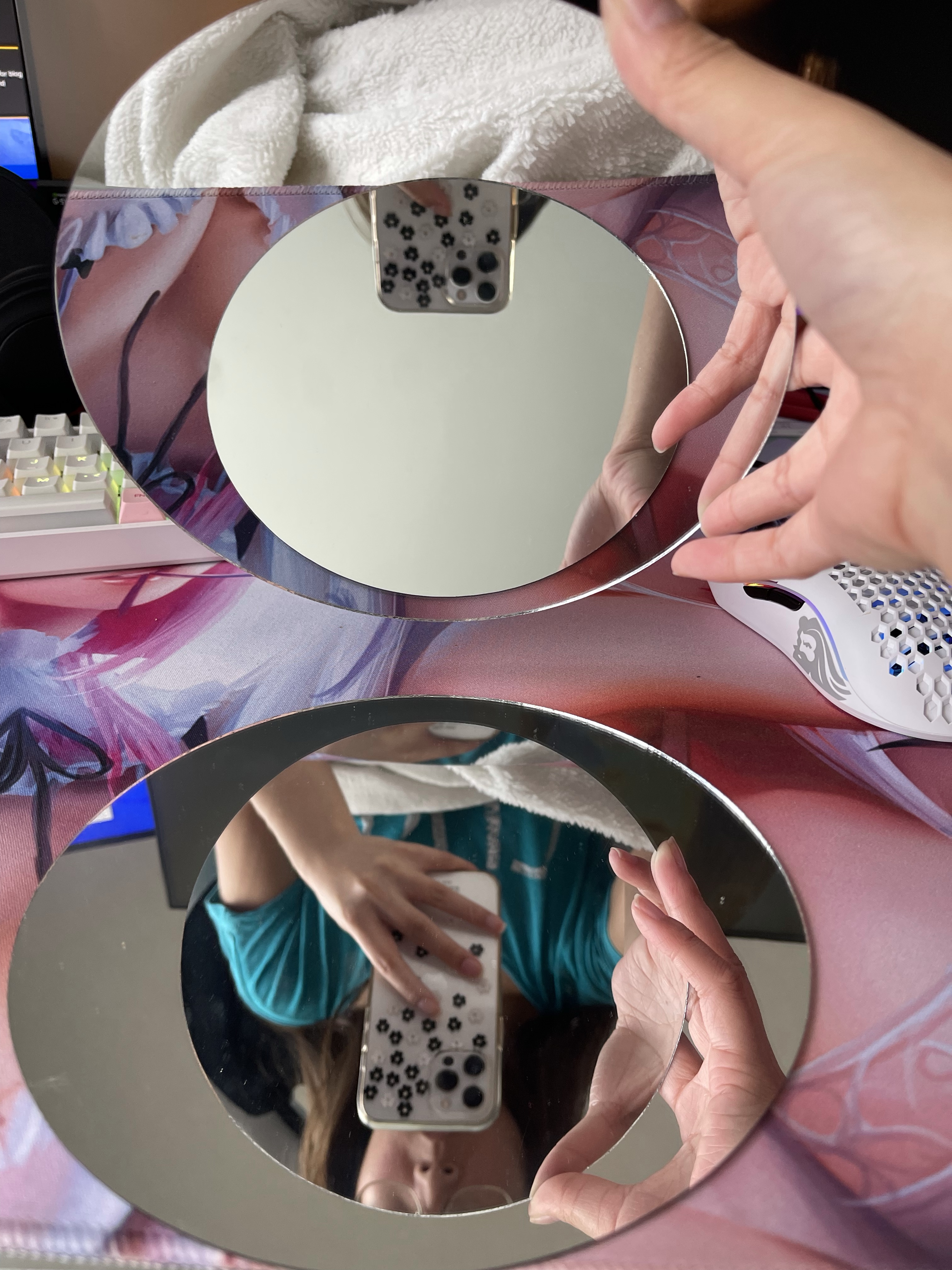
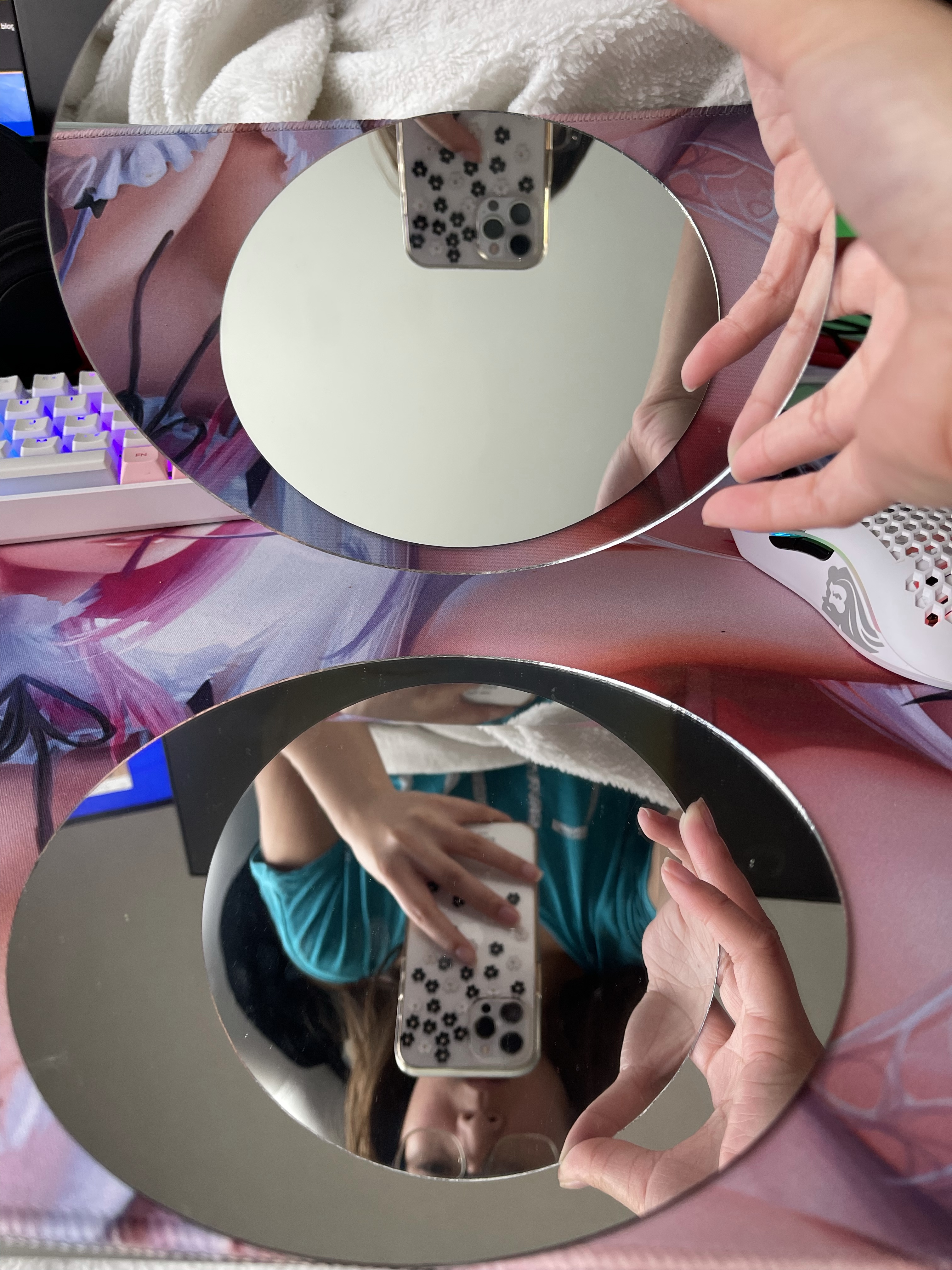
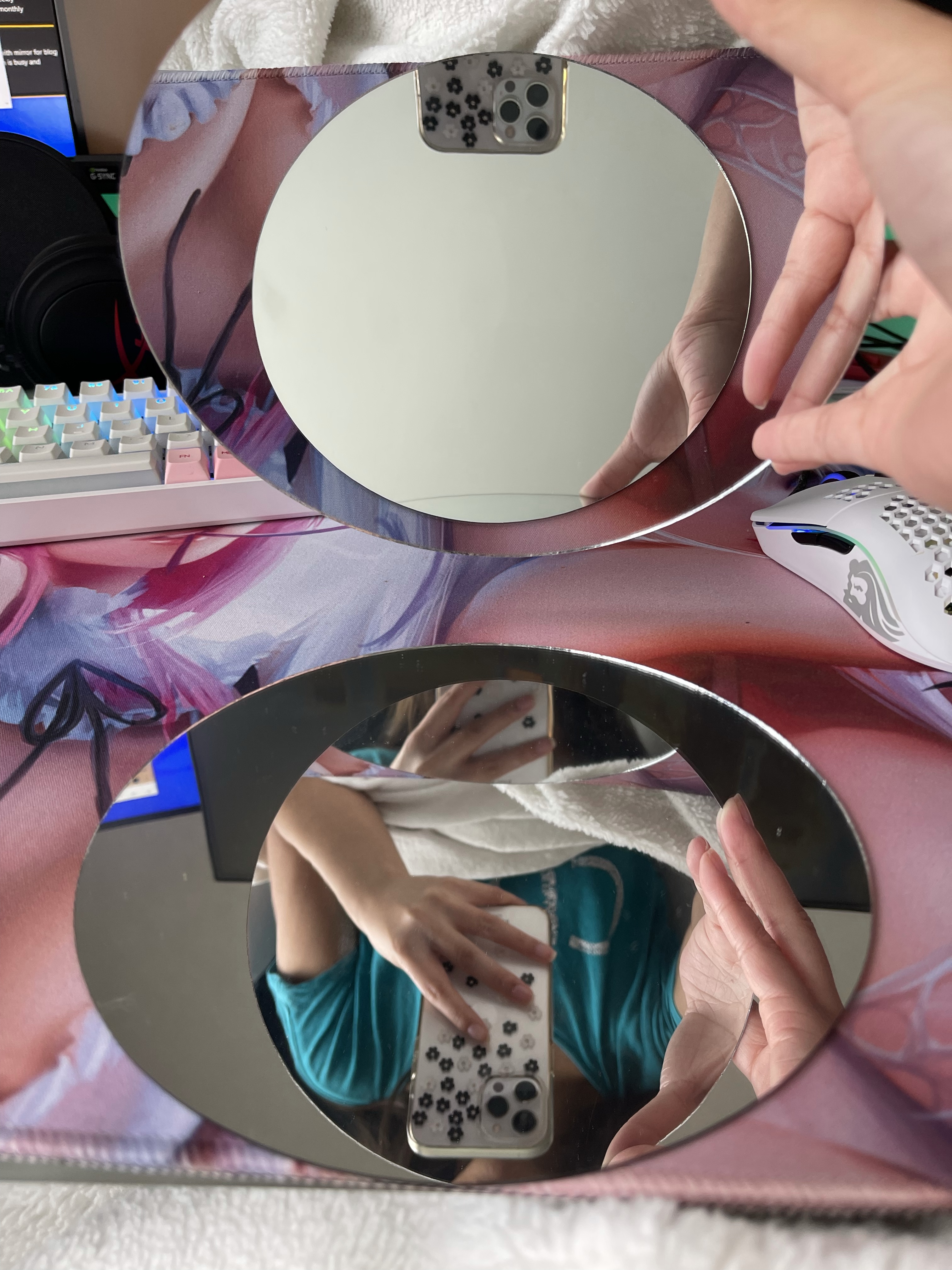
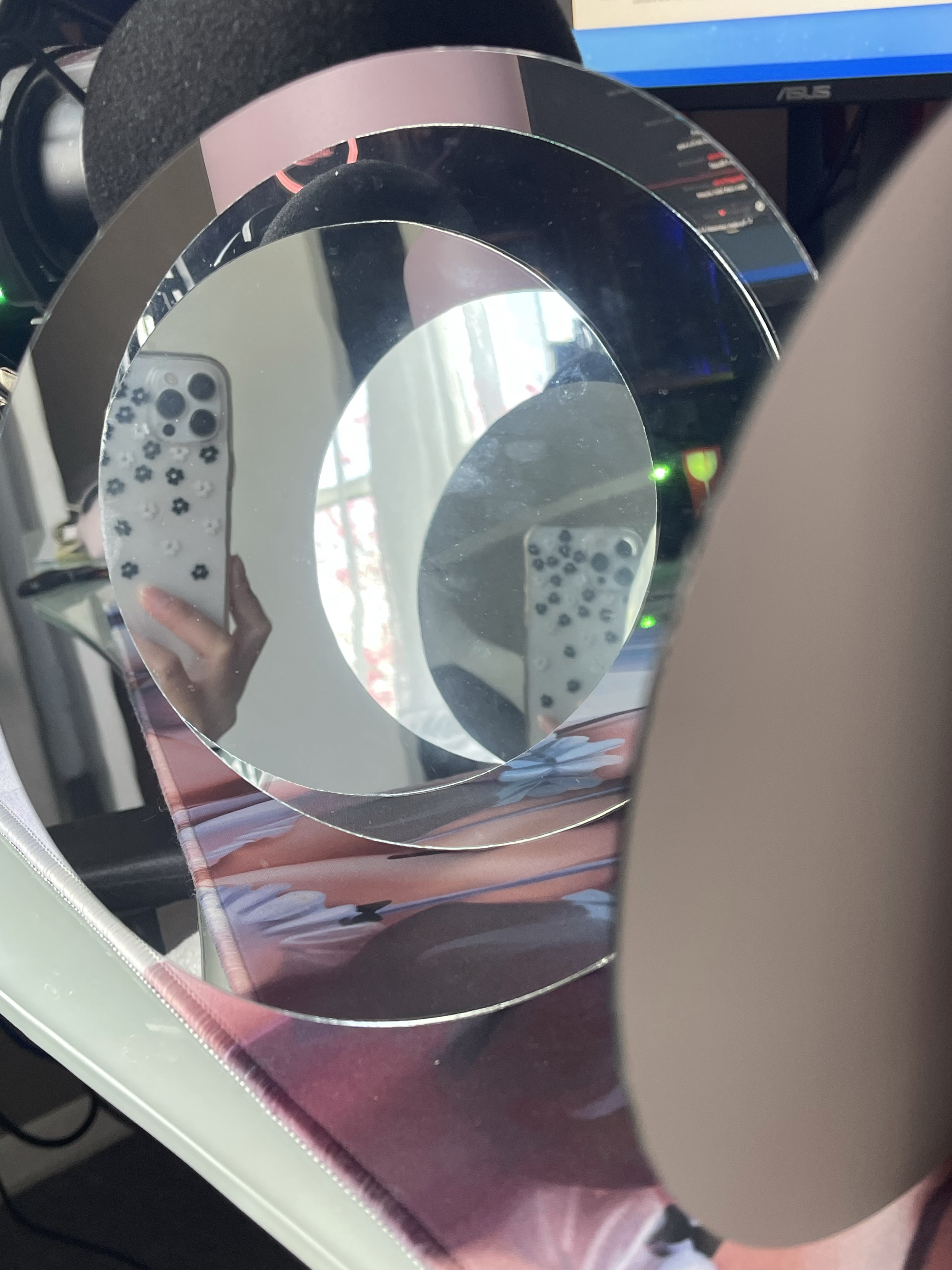
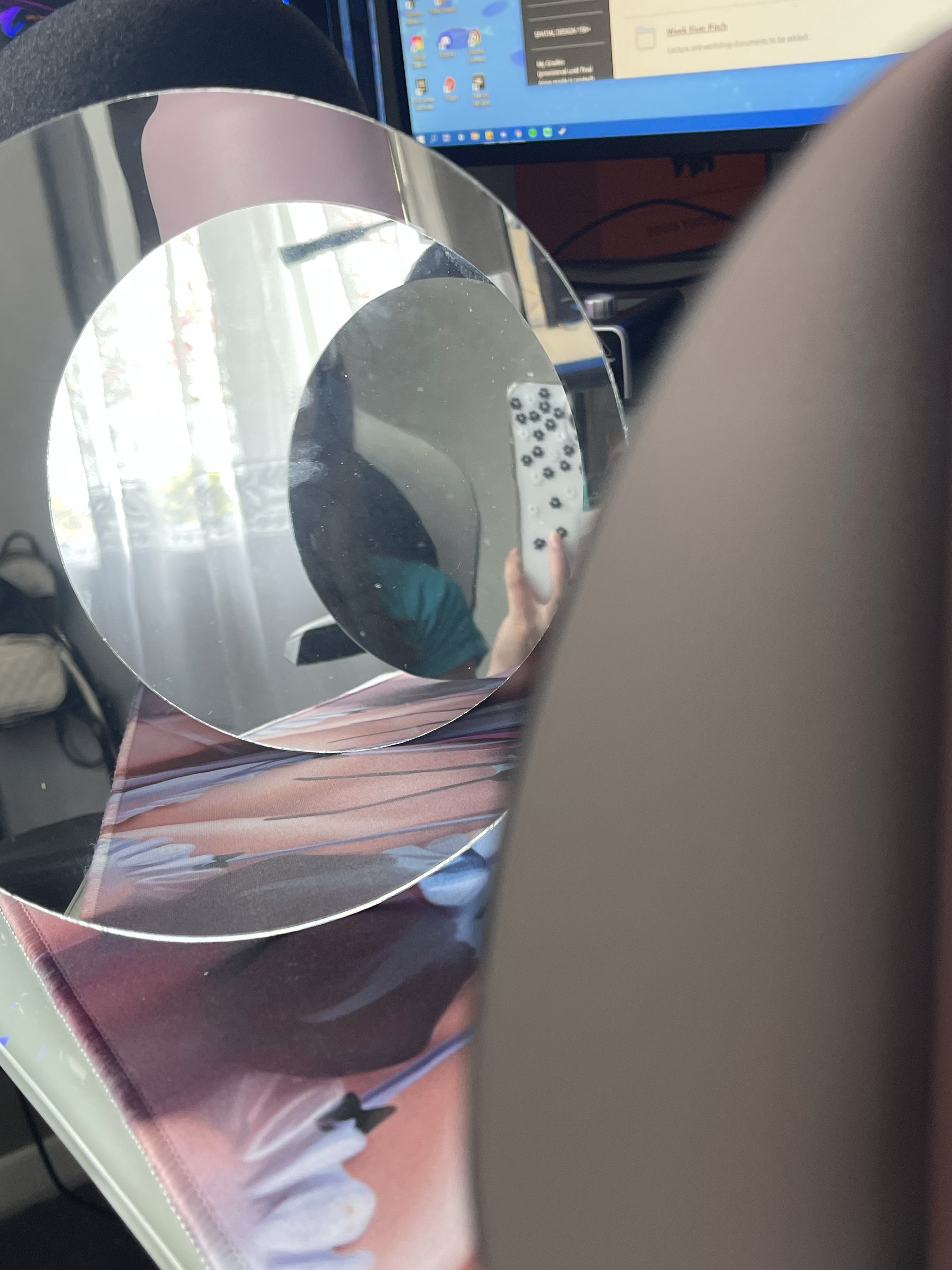
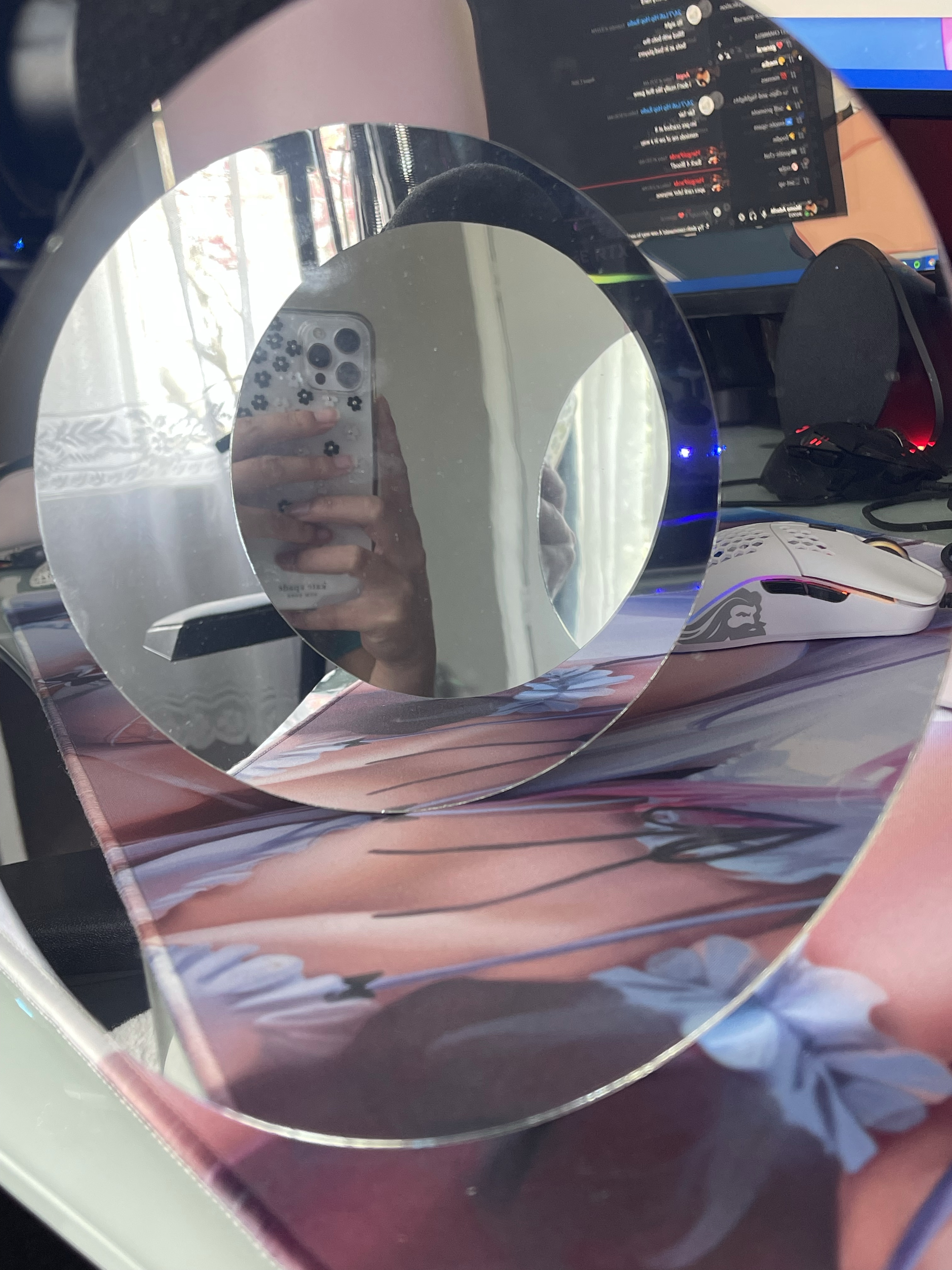
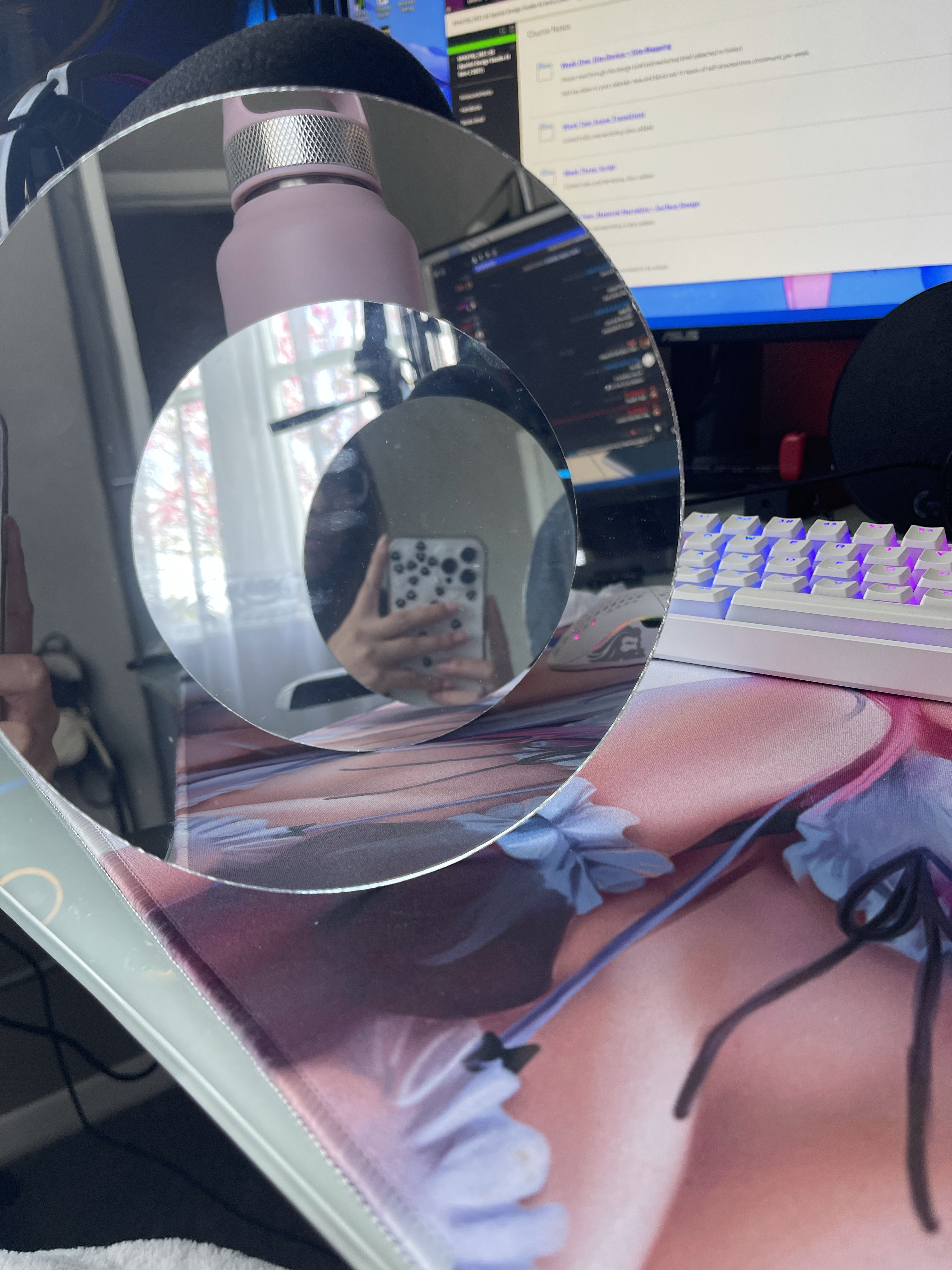
When artists depict a mirror in a painting, it necessarily lacks the most obvious property of a mirror: as we move around the painting of the mirror, the reflections we see in it do not change. And yet representations of mirrors and other reflecting surfaces can be quite convincing in paintings. Here, we will examine the rules of reflection, the many ways that painters can break those rules without losing the impression of reflection, and the rules that cannot be broken. The rules that govern the perception of reflection are a small subset of the physical rules of reflection.
Reflections are not uncommon in natural scenes but until the development of mirrors, reflecting surfaces were limited to just a few materials such as still water, glassy minerals, and, of course, eyes.
Reflection can also be found within art pieces or within ourselves in comparison, Snow White is beautiful not only on the outside but more so because of her pure nature and kind heart. It is both external and internal beauty.
Outside beauty is what captures the attention first; however inner beauty is what captures the heart. The great thing about inner beauty is that it does not fade away
In comparison, Snow White is beautiful not only on the outside but more so because of her pure nature and kind heart. It is both external and internal beauty.
Outside beauty is what captures the attention first; however inner beauty is what captures the heart. The great thing about inner beauty is that it does not fade away. Outer beauty without inner beauty is like a rose without scent, a flower without fragrance. A good character is a real beauty that never fades.
This idea applies to the whole idea of spatial designers, where we utilize historical buildings
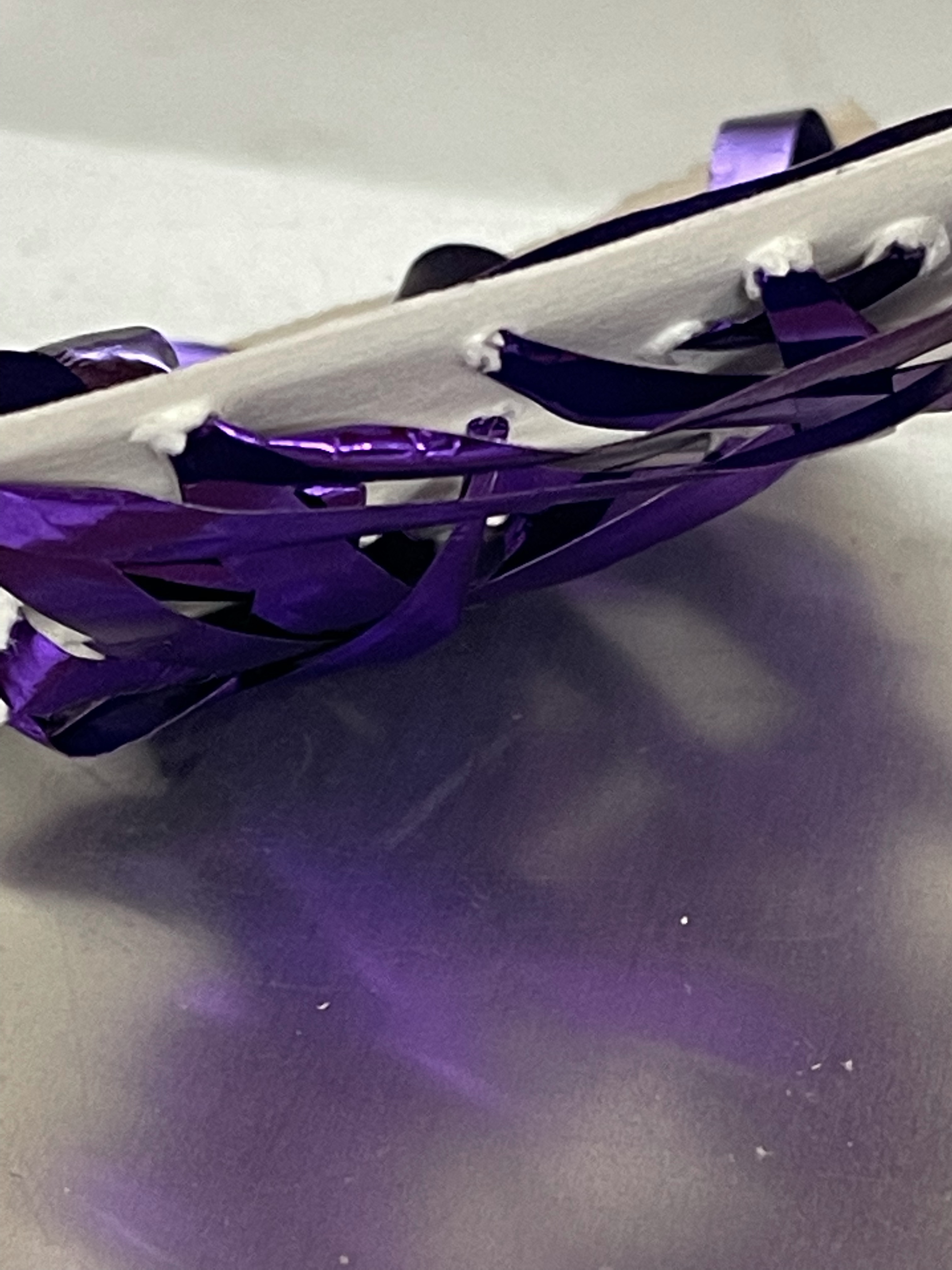

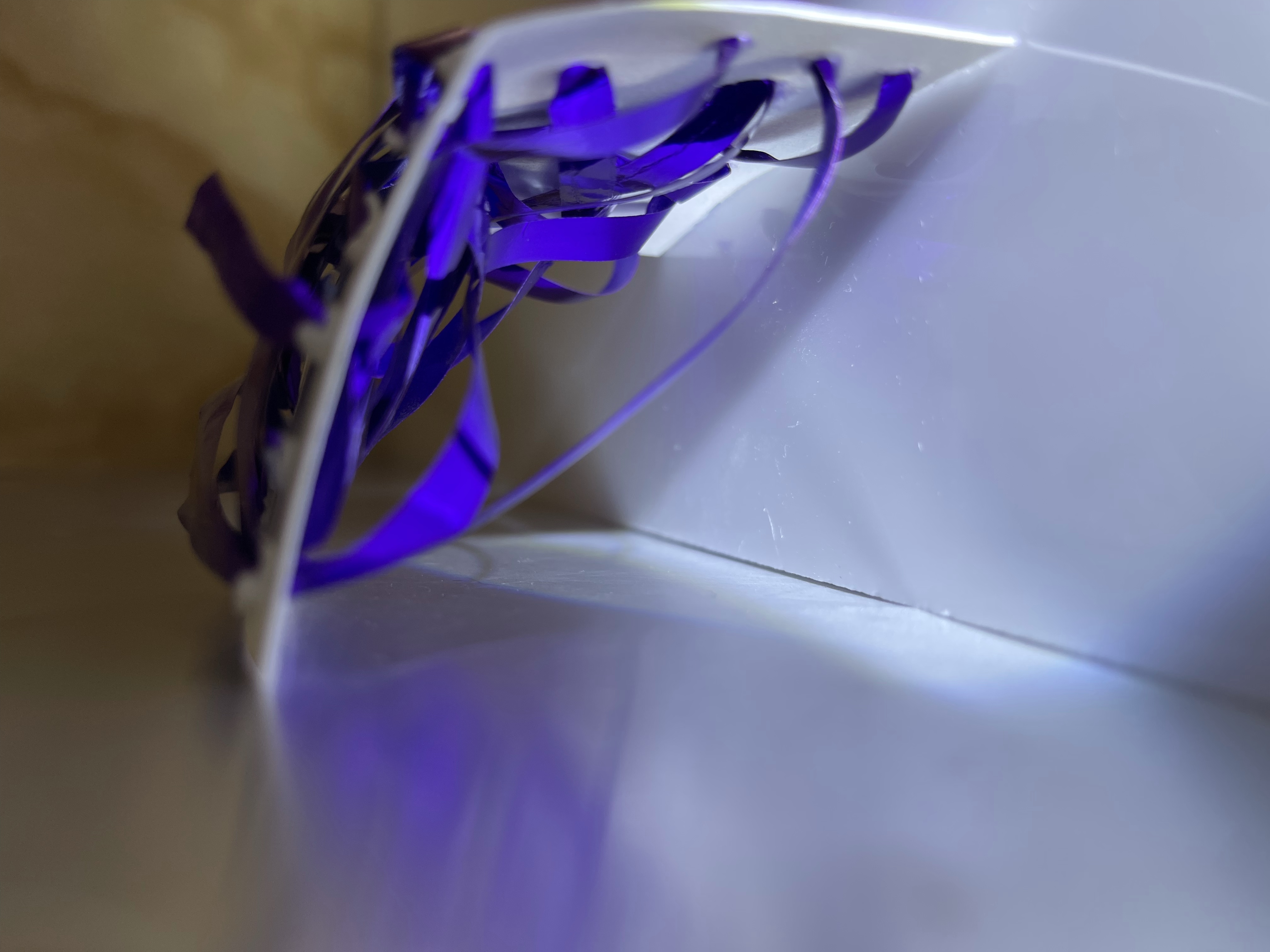
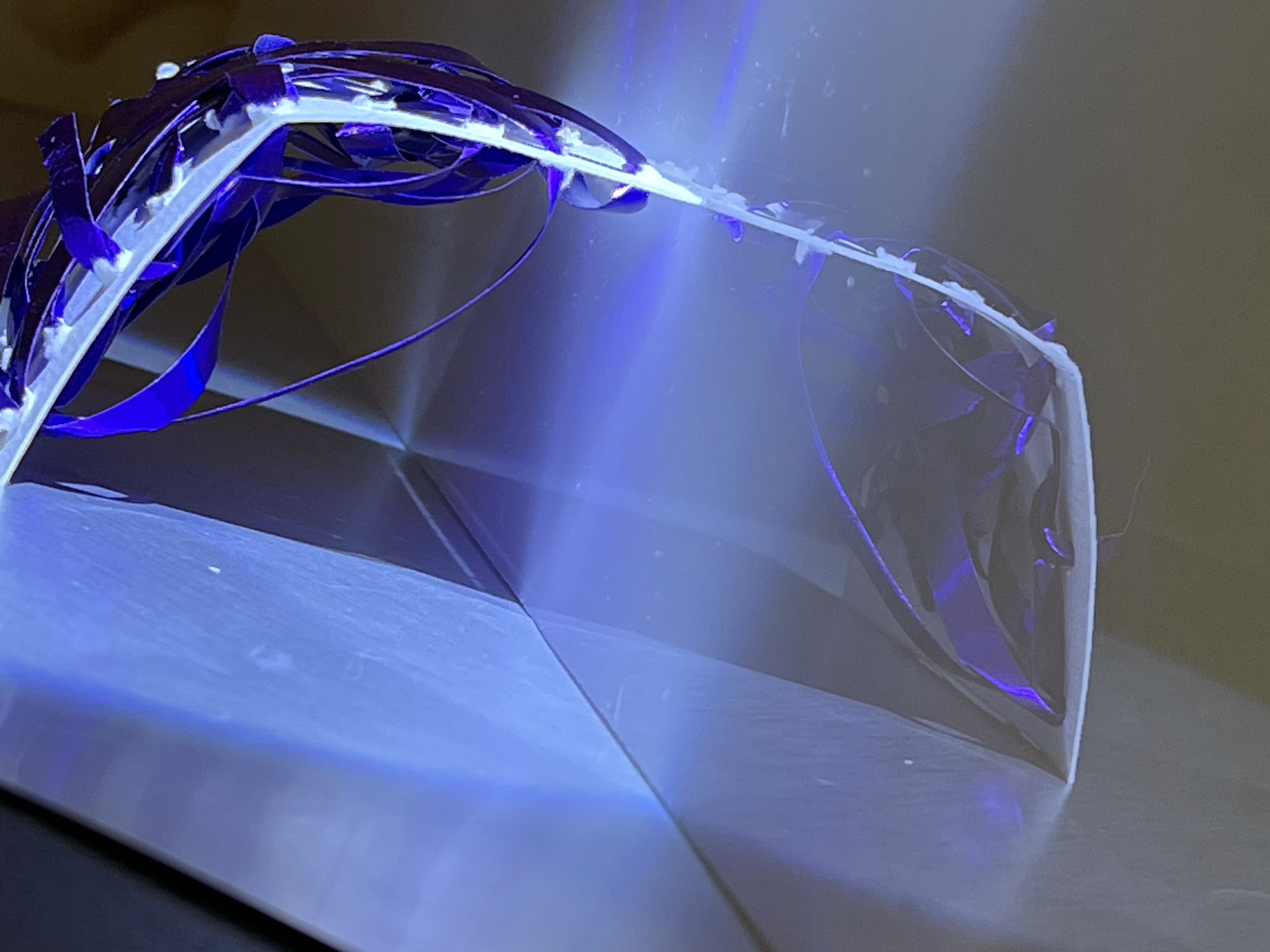
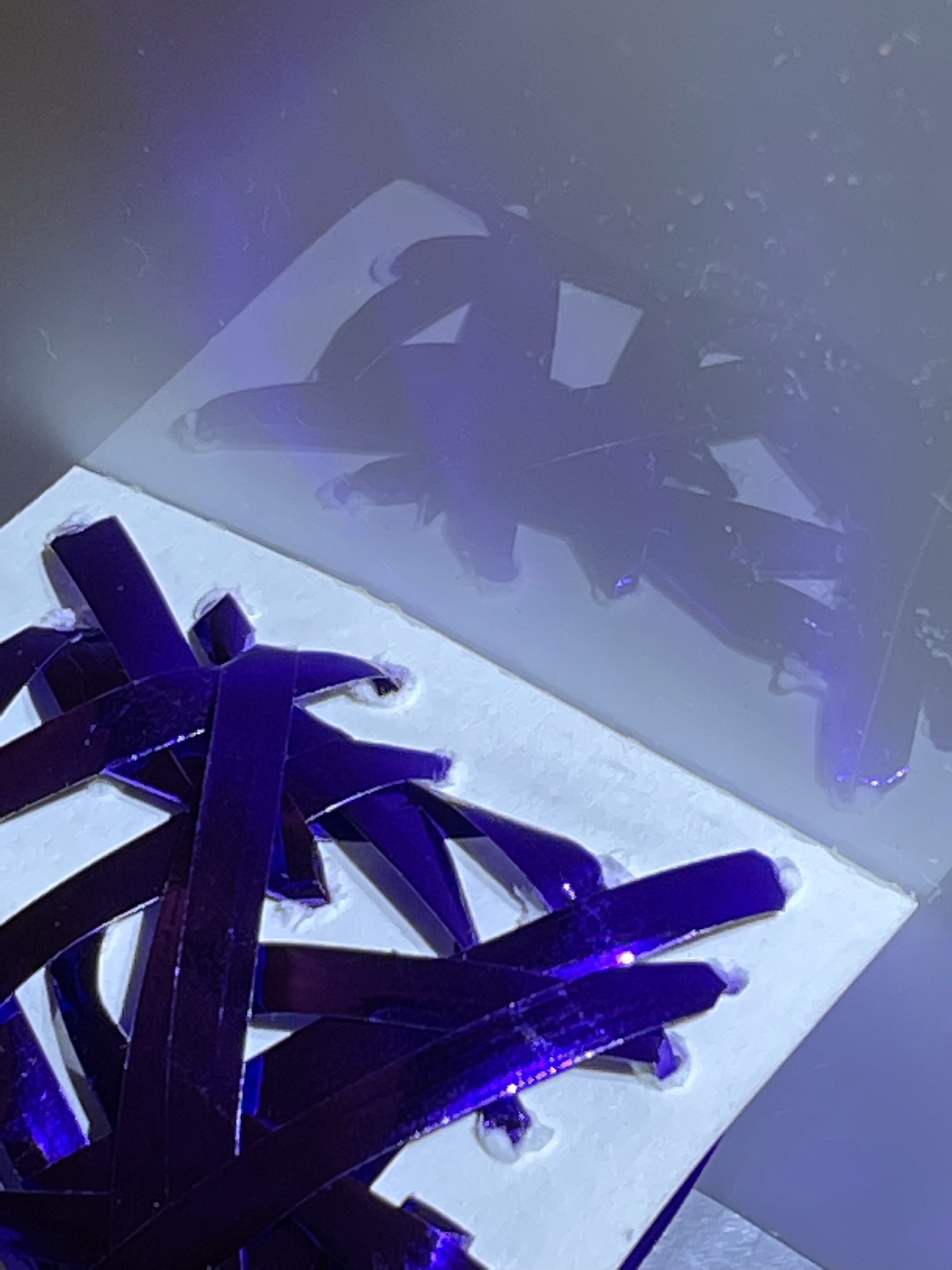
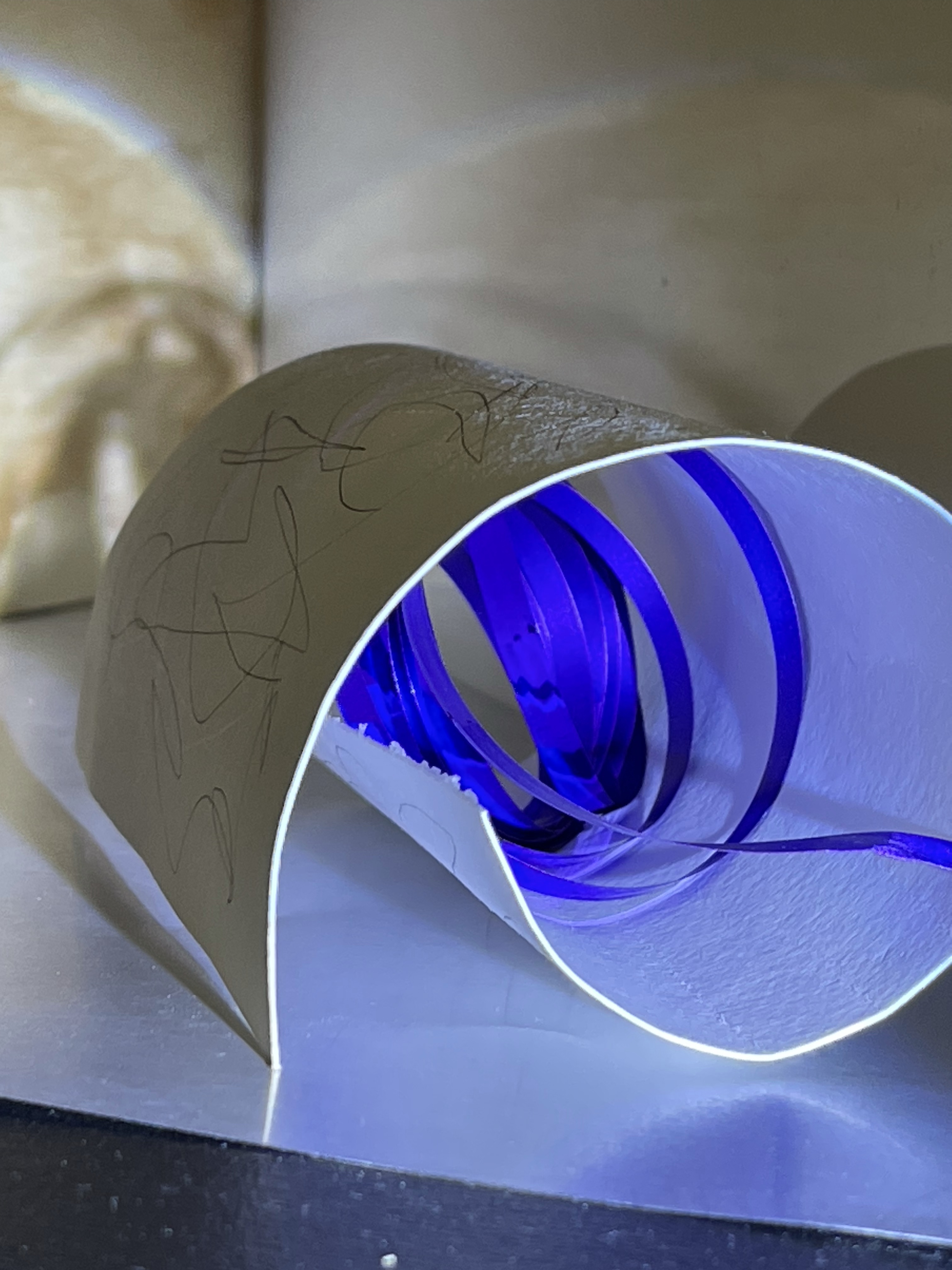
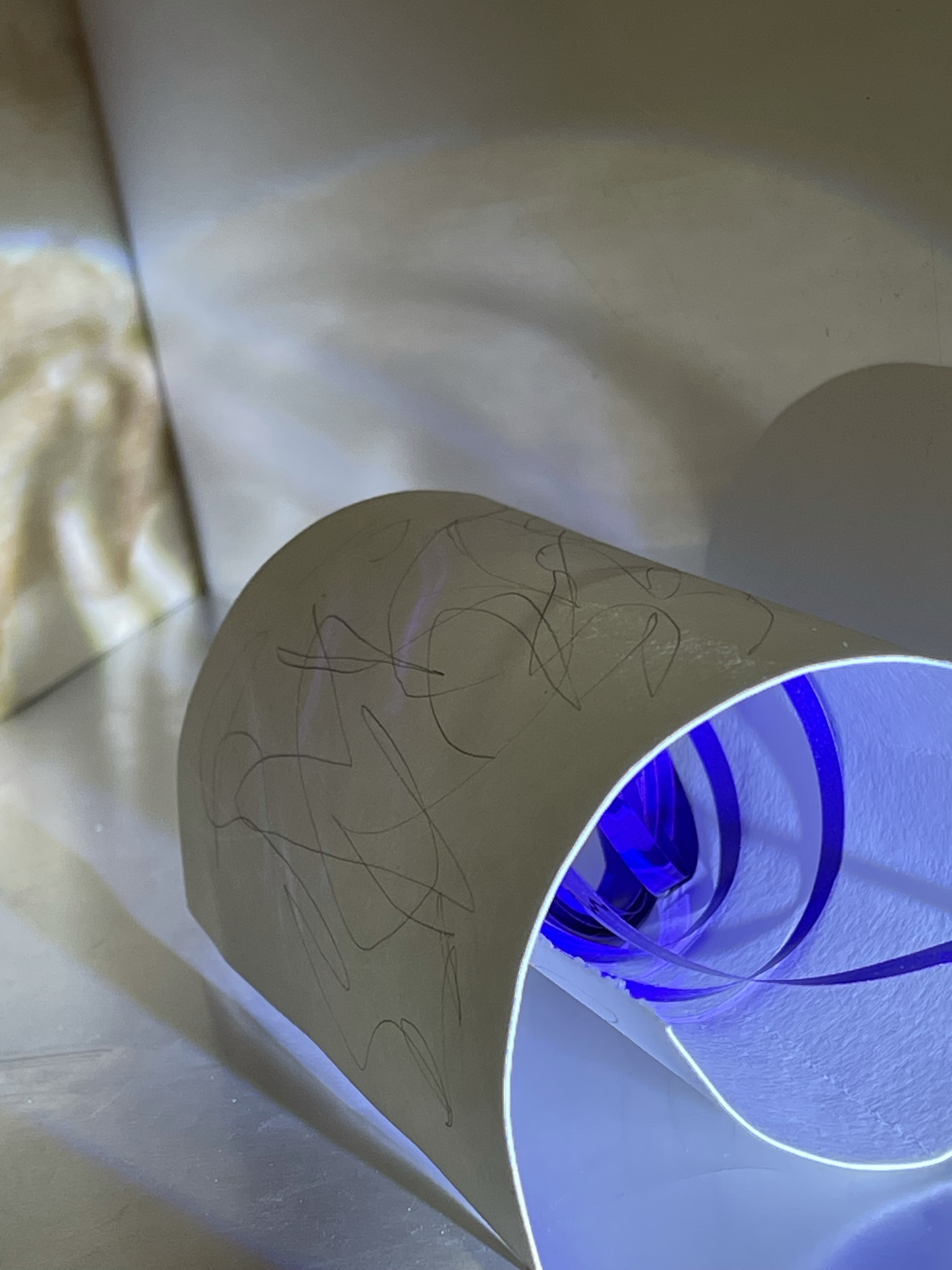

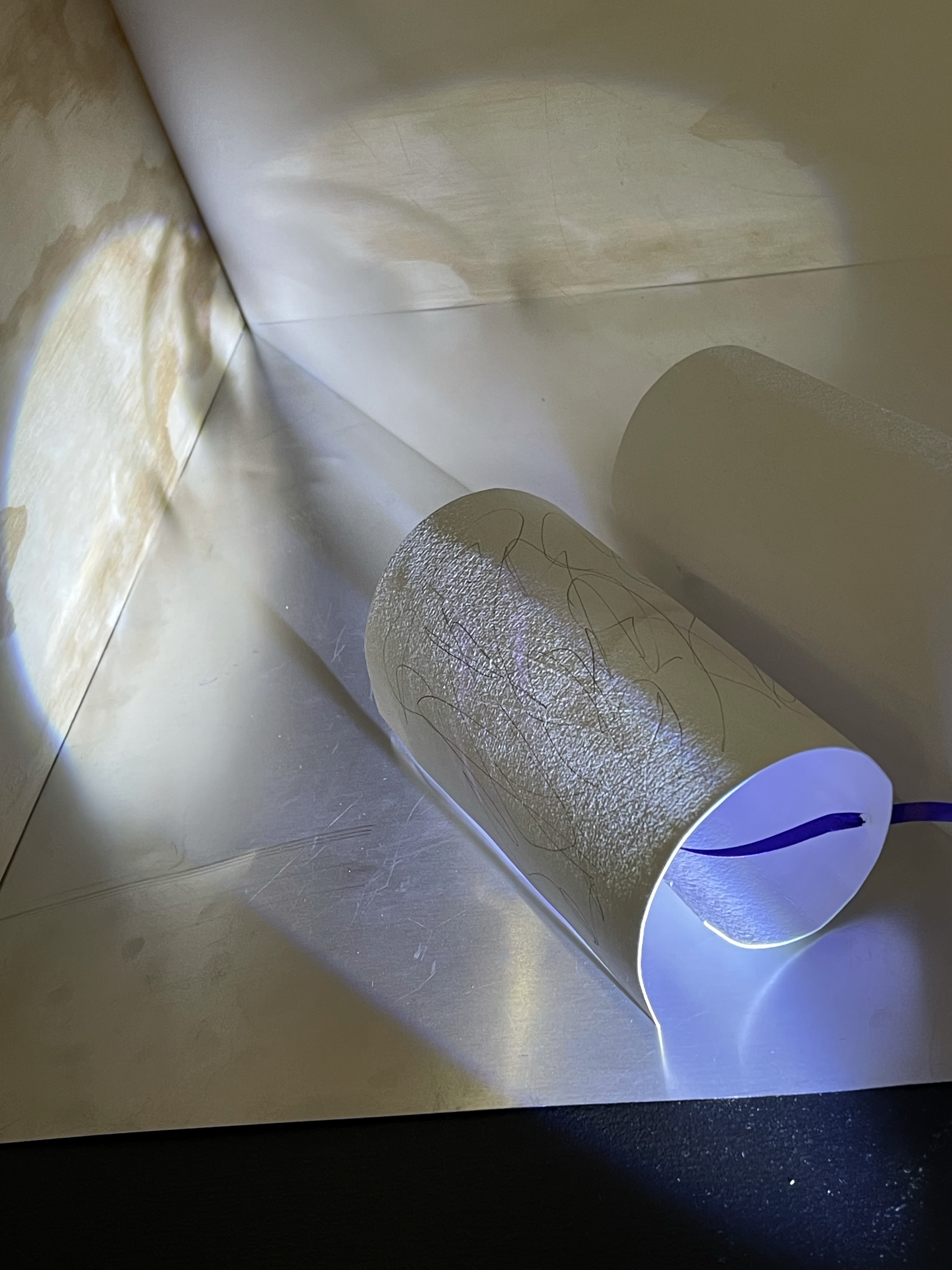


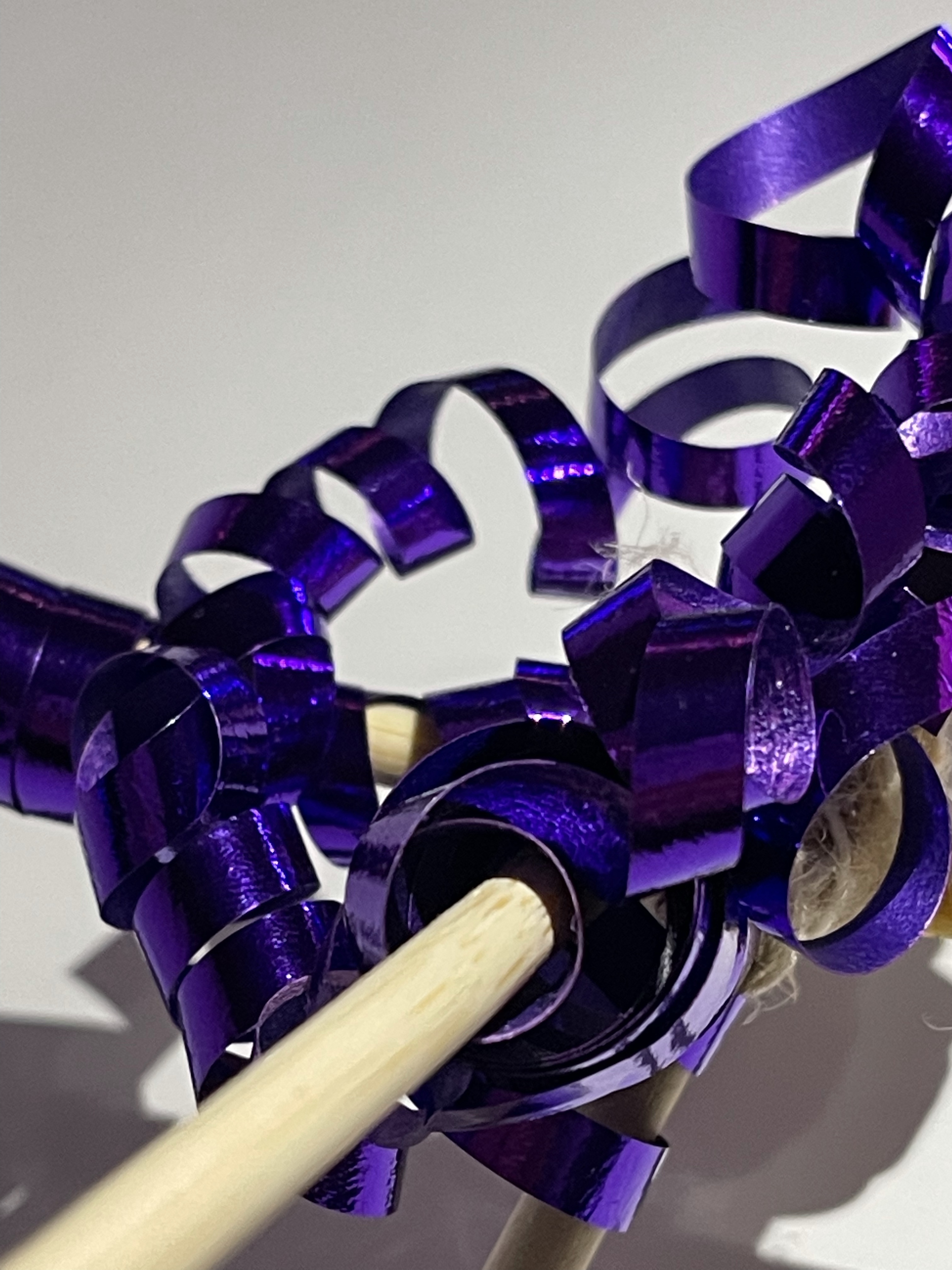
What is reflection?
Reflection is an introspective, iterative process that transforms your self-knowledge: how and what you think.
Reflection is an opportunity to slow down and consciously contemplate. You need to give your mind time to think through things and digest information. How will you know if you are headed in the right direction if you never stop to think?
Reflection helps you internalize information by connecting your current experiences and observations with your prior knowledge. Bridging gaps in your understanding leads to deeper learning, new insights, and broader perspectives. This helps guide your thinking in the future and allows you to apply what you learned to new contexts.
Geil Browning, Ph.D., the founder, and CEO of Emergenetics International said,
“Reflection is a deeper form of learning that allows us to retain every aspect of any experience, be it personal or professional — why something took place, what the impact was, whether it should happen again — as opposed to just remembering that it happened. It’s about tapping into every aspect of the experience, clarifying our thinking, and honing in on what really matters to us.”
How to Reflect
Reflection can be a transformative process, but you won’t make any progress if you do not know where to start.
Reflection is a deliberate analysis of your observations and experiences. Giving yourself the time and space to reflect will help you more thoughtfully evaluate your experiences than if you were in a hurry.
Here are some capabilities that will help you reflect more effectively:
Curiosity and openness — Reflection is about introspection, learning, and discovering new insights. A fixed mindset of resistance will hold you back from attaining new knowledge. You have to cultivate your curiosity and be open to learning, otherwise, reflection won’t help you.
Objective observation — Learning how to step back and look at your thoughts, as if you were an outside observer, can give you clarity and a broader perspective. An outside observer can more easily separate themselves from feelings and emotions that may cloud your judgment.
Thoughtful questioning — The quality of your questions will largely determine the quality of the output from your reflection. If you ask the wrong questions, your reflection may not lead to the insight you seek. Also, do not blindly accept an explanation you came up with when analyzing a situation or experience. Your conclusion may be flawed, so be sure to think critically about the answers to your questions and evaluate their merit.
Stages of Reflection
Reflection is an iterative process of analysis, composed of a few essential stages. Working through each of these stages will help guide you towards greater understanding and insight.
- What happened?
- Why does this matter?
- What are the next steps?
What happened? — Describe the situation. Set the stage and answer the ‘what, where, when, and who’ questions. Think about how you felt during the experience. Try to identify your feelings during the experience as well, as this may help with evaluating the situation later.
Why does this matter? — Analyze the situation. Now that you have set the stage, try to make sense of why things happened as they did. Try to answer the question, ‘So what?’. Also, critically review the situation and look for insights. How might things have gone differently? What could you have changed?
What are the next steps? — Prepare for how you would handle a similar situation in the future. What will you do differently next time, if anything? The point of this stage is to learn from your analysis. Depending on the context of your reflection, this could be a deeper understanding of a topic, a broader perspective, or an improved way of doing something.
Retrieved from

Changes:
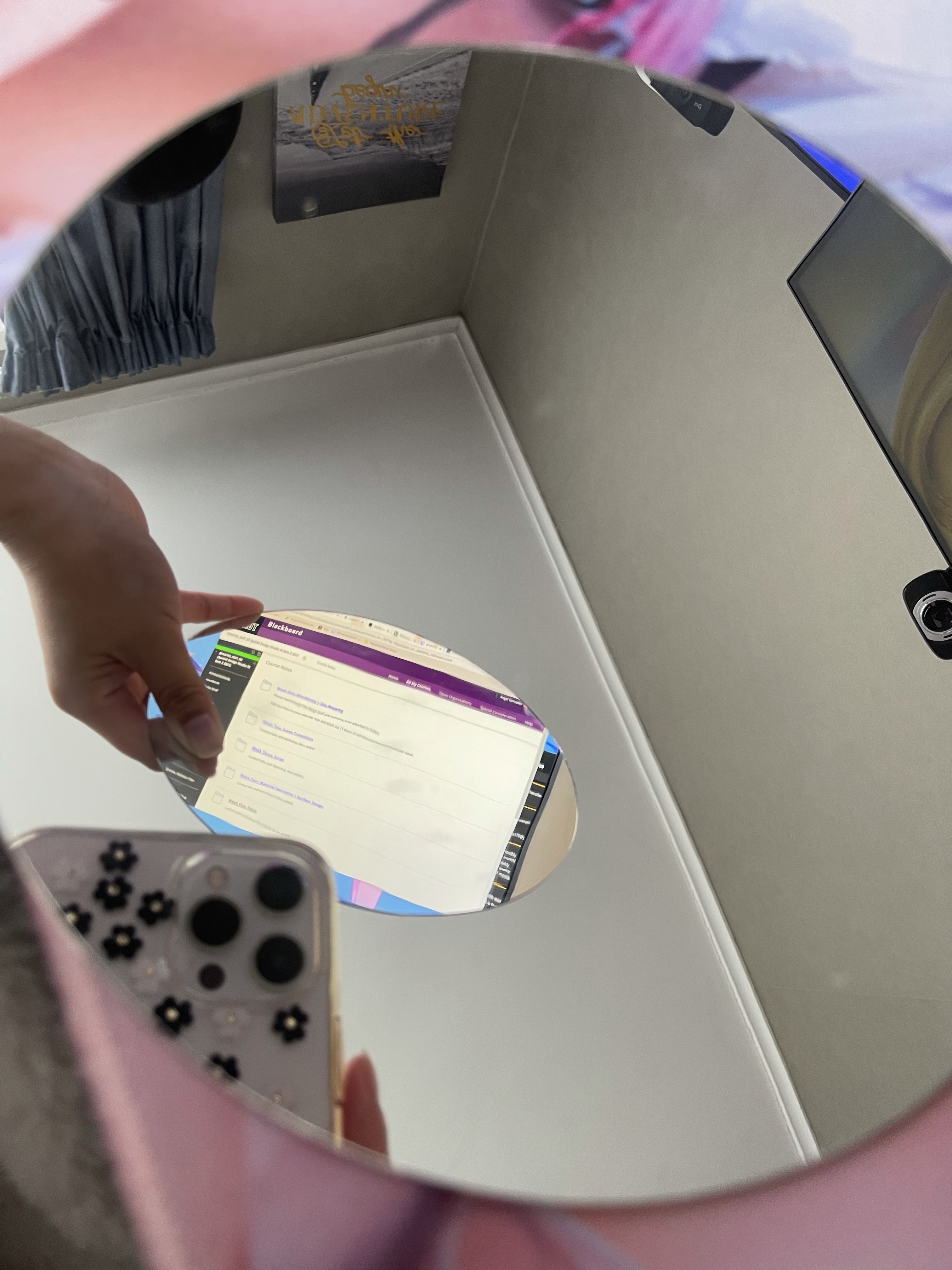
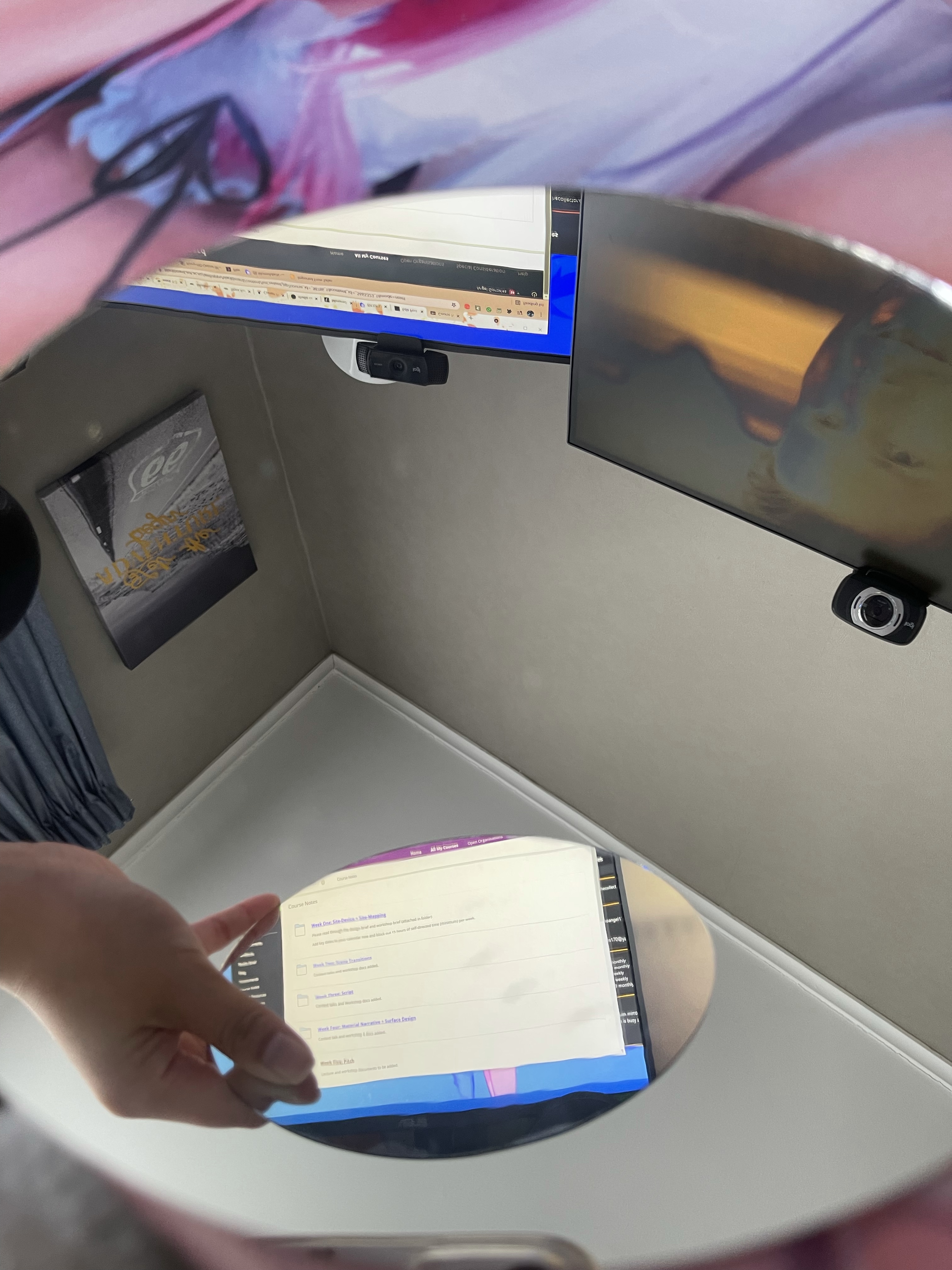
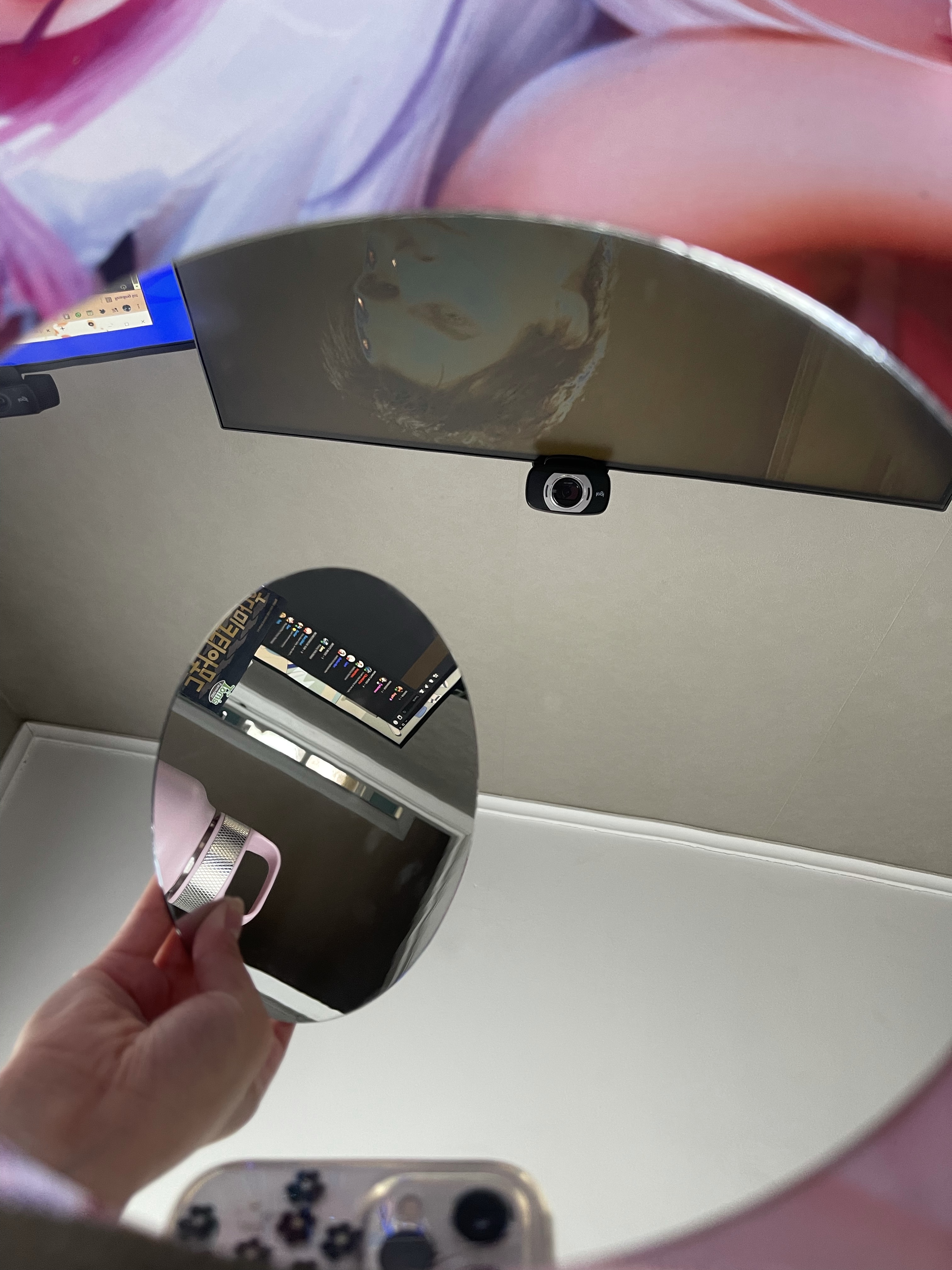
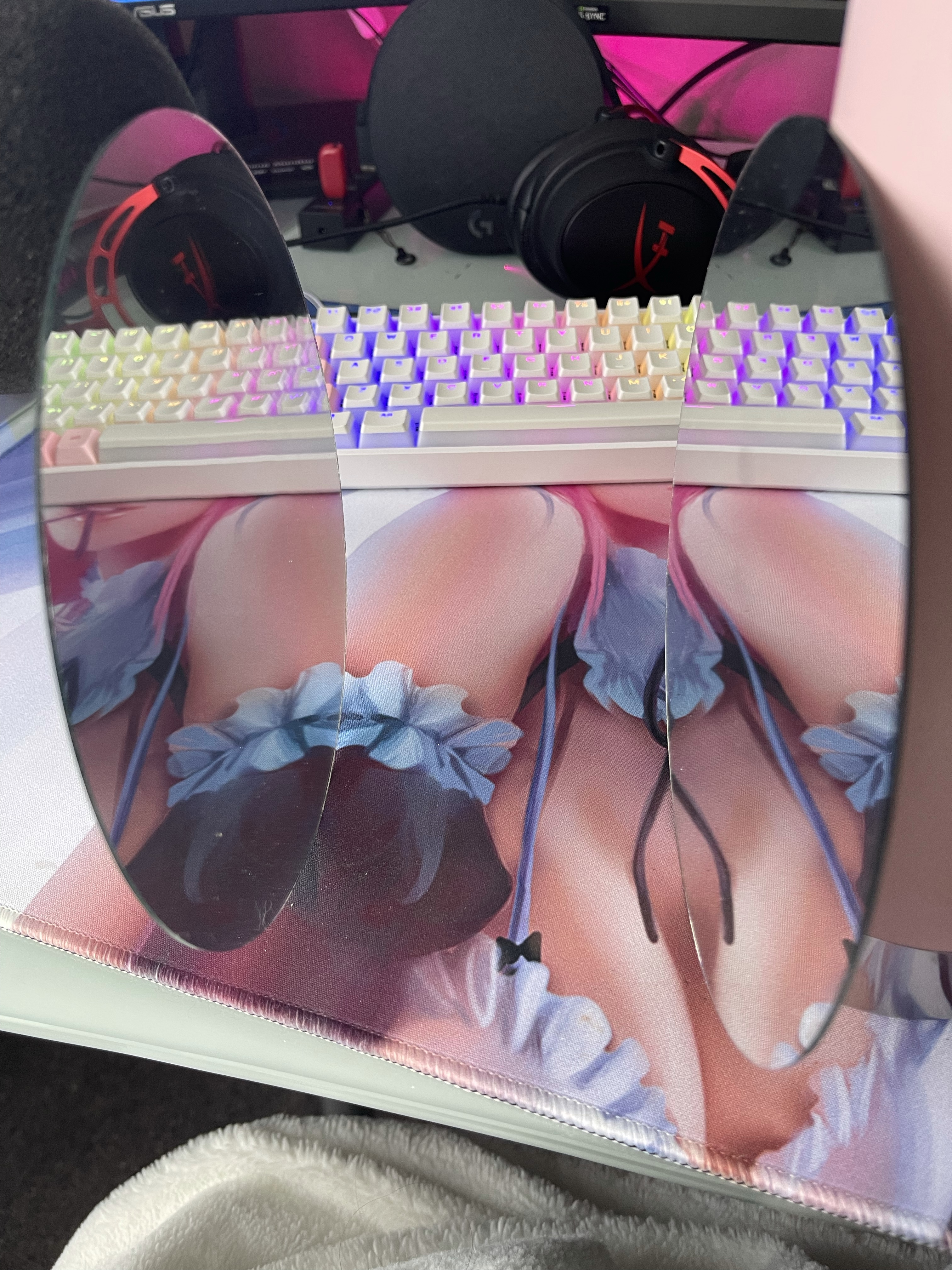
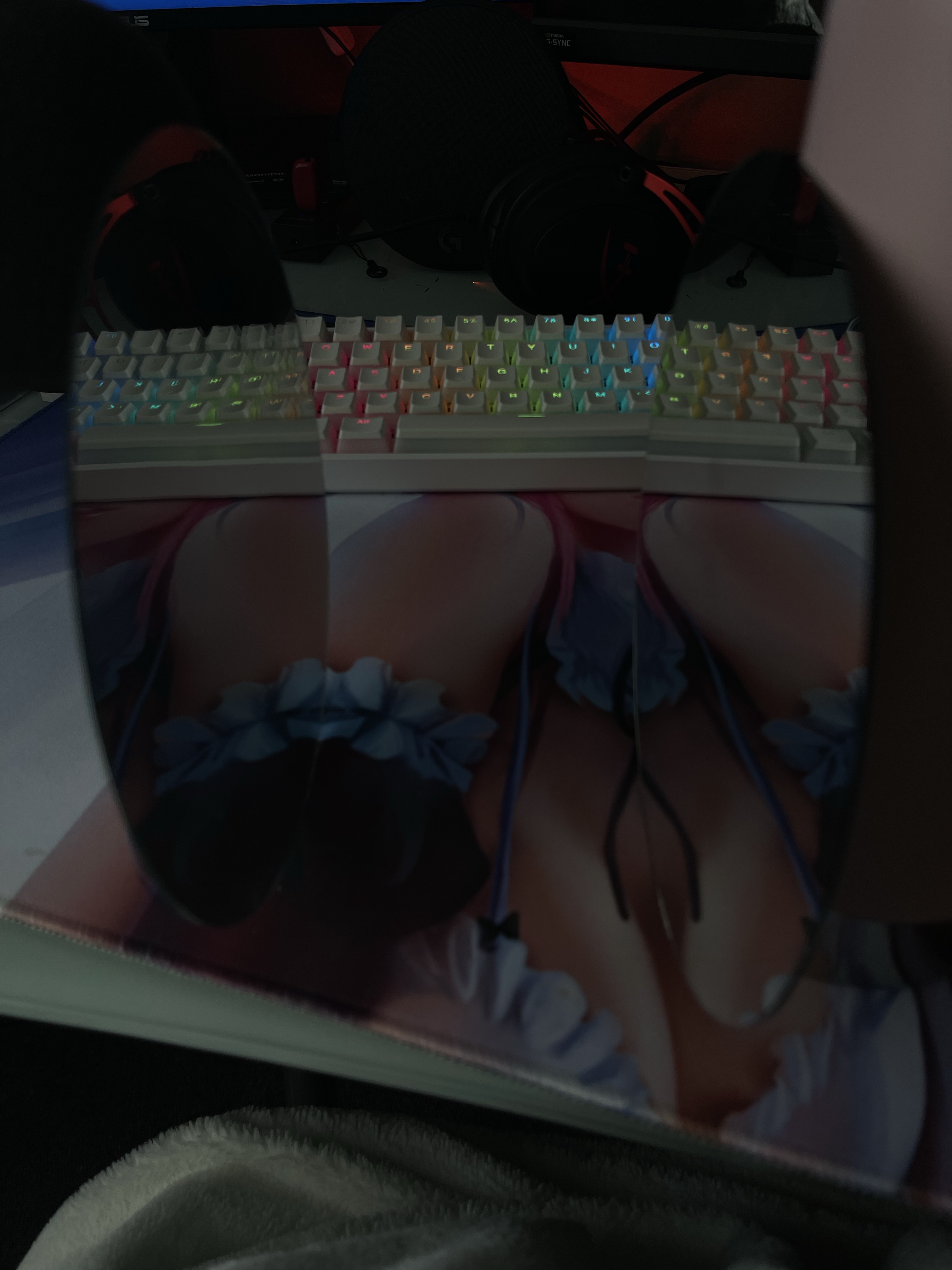
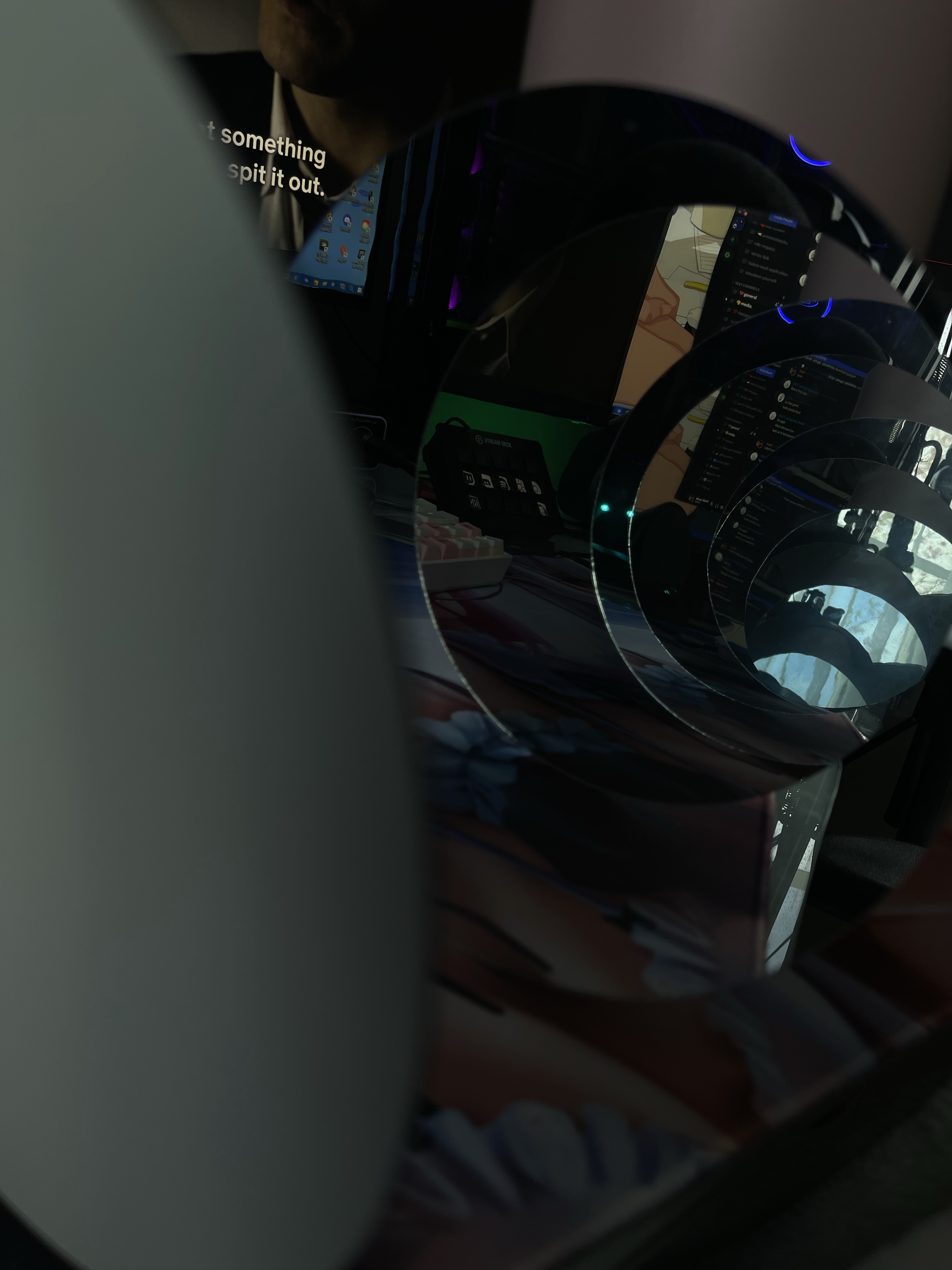
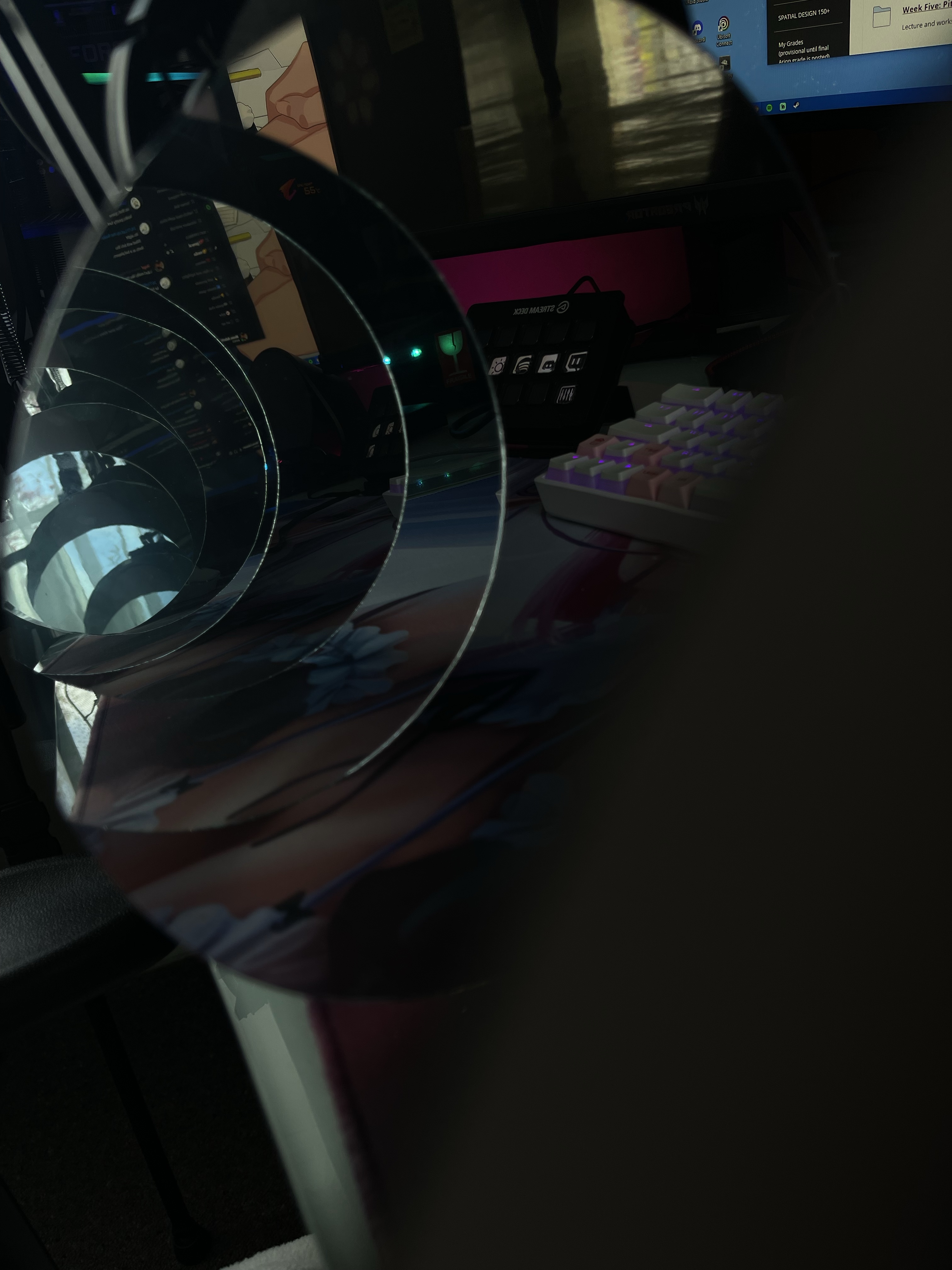
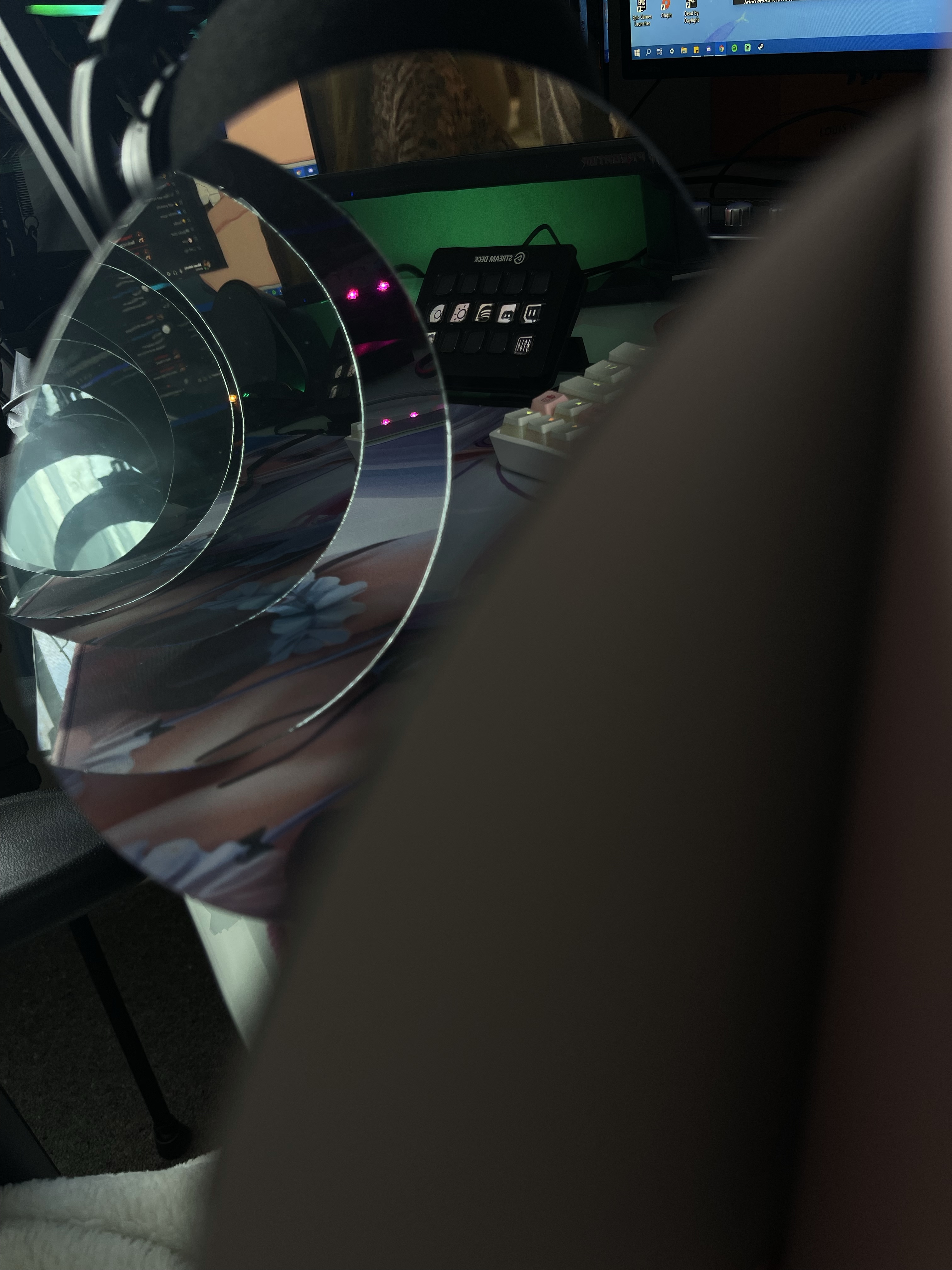
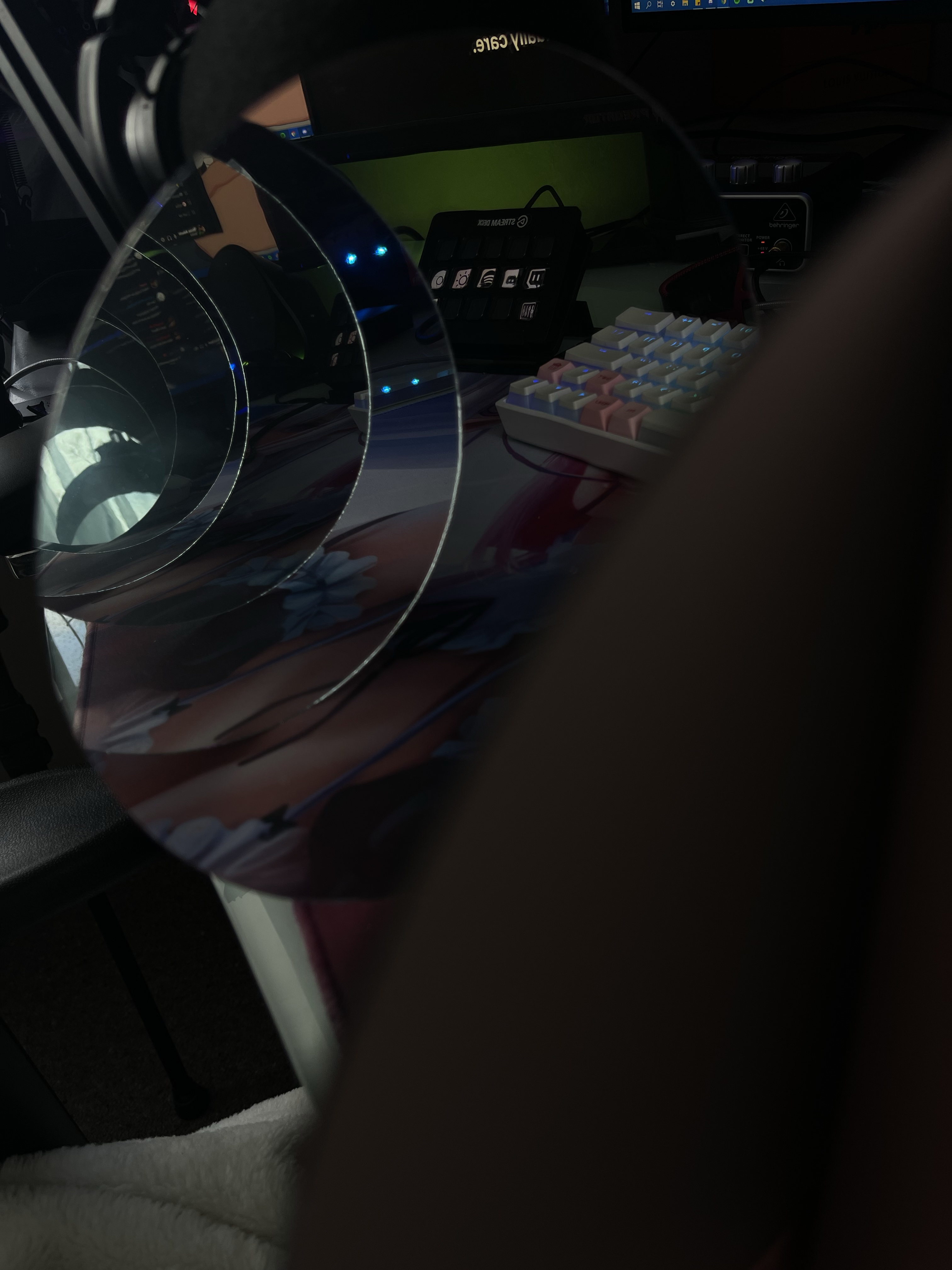
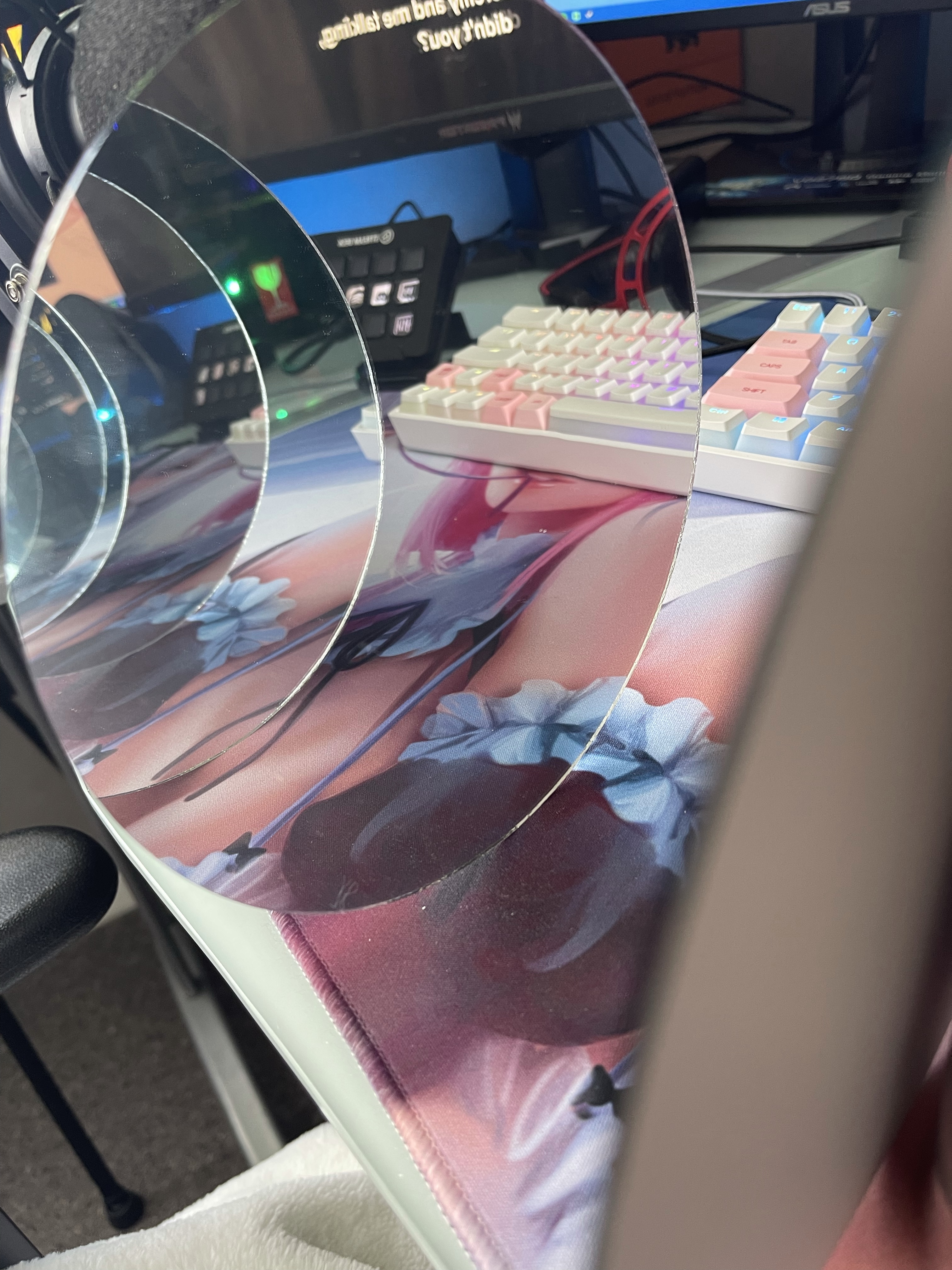
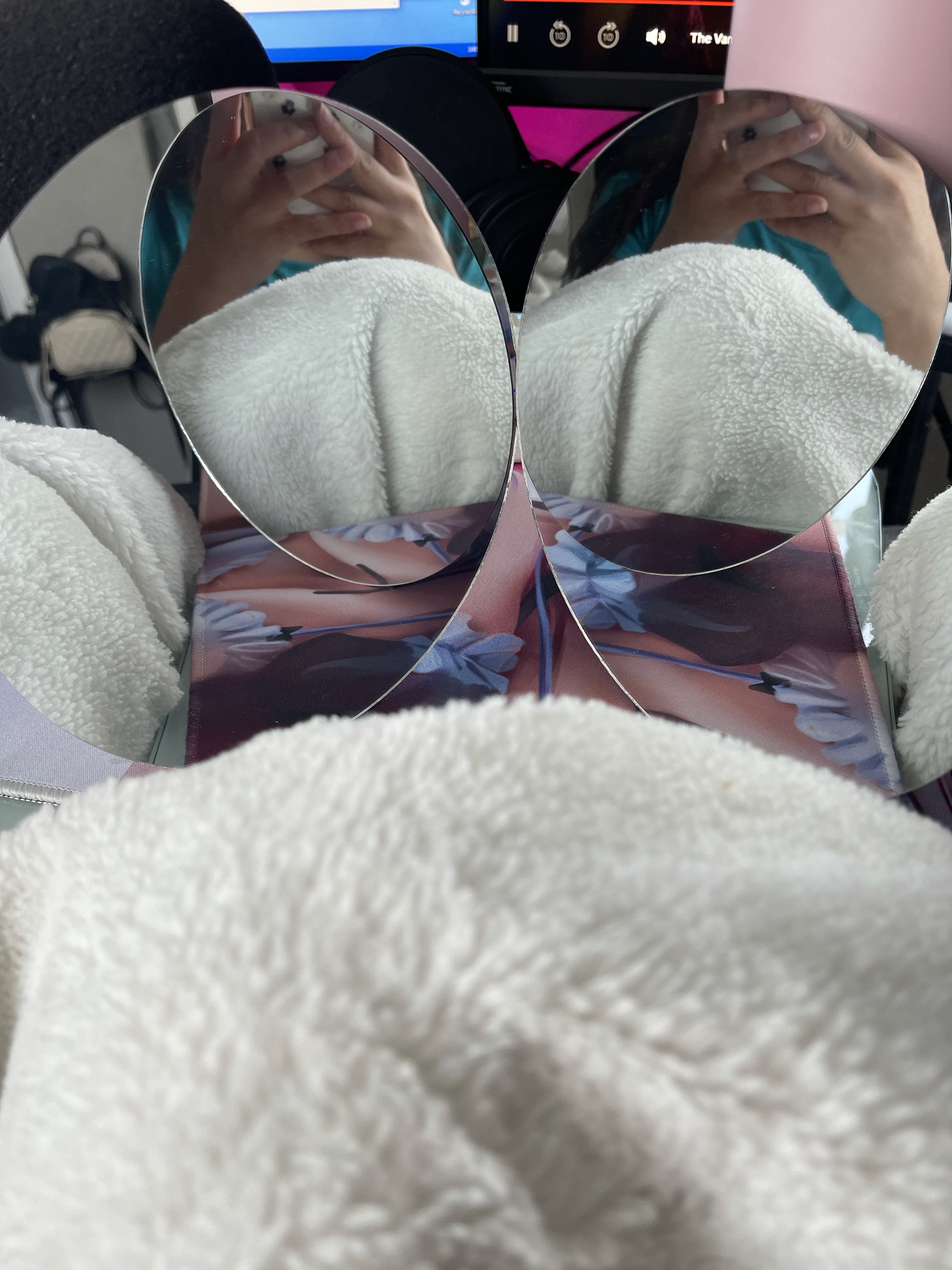
Initially wanted to create 2 large mirrors facing each other on an angle to create no boundary lines of the sky to create a falling state in dreams, however, I thought this might be a hazard to other people specifically kids, etc. As it will be an outside project I would have to take the precaution of it being an outside mirror, therefore I made decided to go with one of my design ideas (image below) however I’ll be using the idea of mirrors or glass.
With this idea, I have now decided to transition to the idea of consciousness and unconsciousness. This idea came from my observations since I noticed neutral colours can only be seen on the site except the mural painting that is coloured orange. Therefore looking through the coloured glass will symbolize consciousness without it symbolizes unconsciousness. This idea came to me from an idea from one of my cinematic devices (lenses) where I use a lens to take a photo of the site.
 Angel
Angel 