BRIEF INTRODUCTION
For our project design brief, we have been asked to explore and consider an urban space through a cinematic lens, as an intimate and exteriorised space. Tracing, analyzing, remembering, recollecting urban and cinematic spaces will bring together thinking from the disciplines of interior design, urban design, film studies, museum and exhibition design that might ultimately provoke innovative contemporary ways of seeing, designing and inhabiting space.
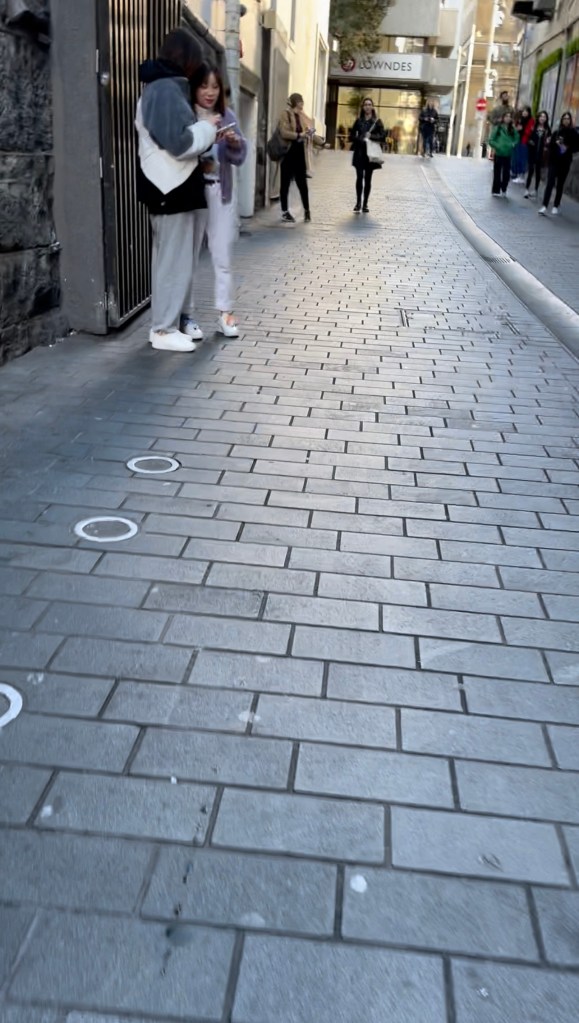
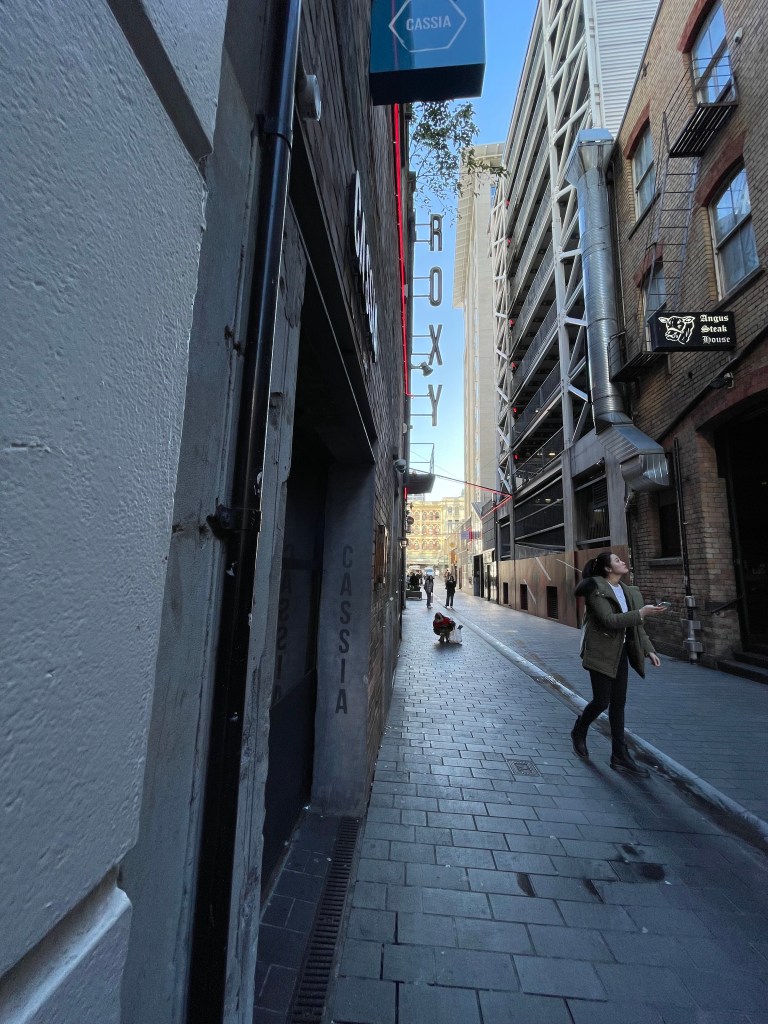
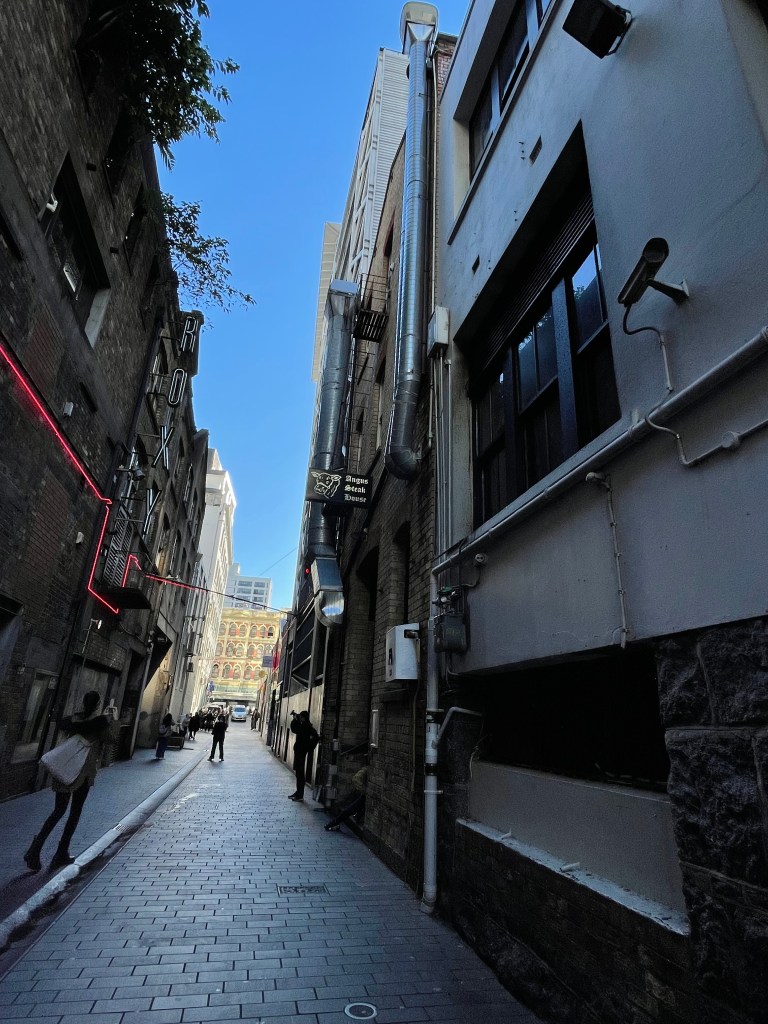
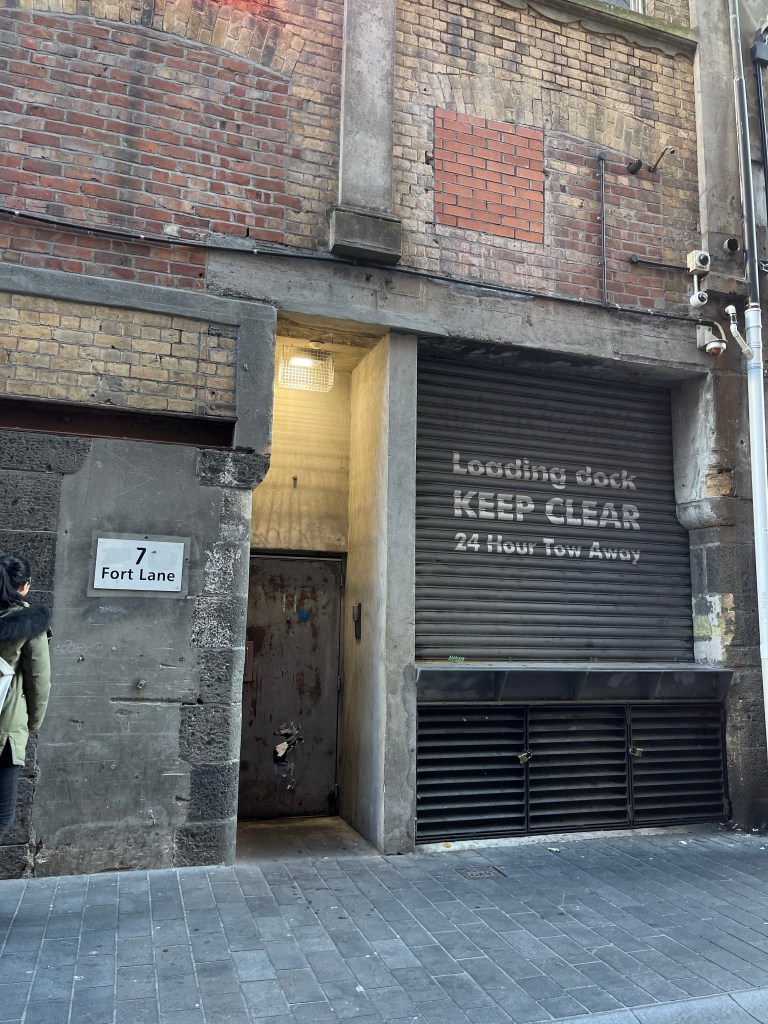
For our brief we will present a design intervention within our site Fort Lane, a service lane parallel to Queen St, connects Fort Street (original foreshore of
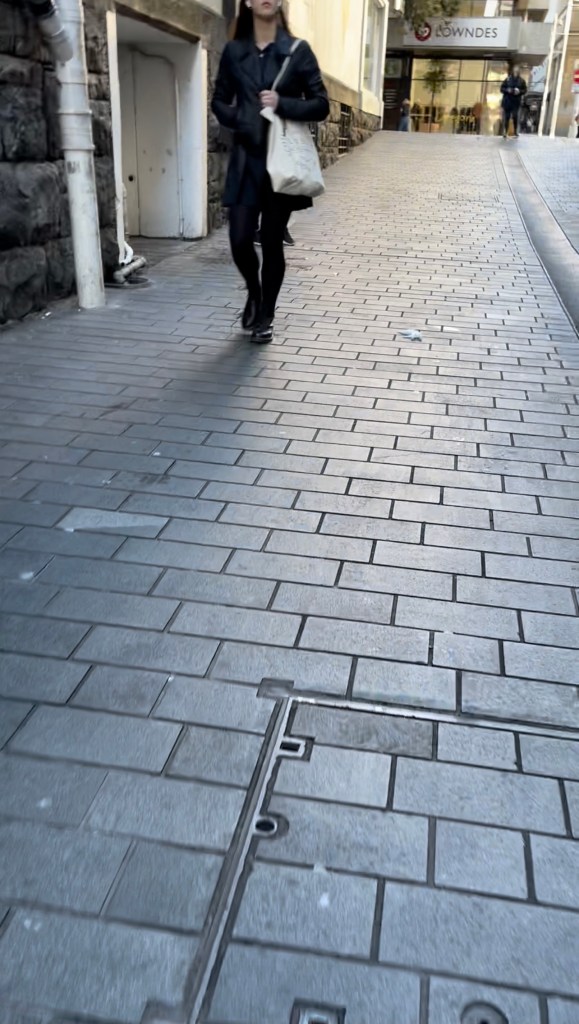
Commercial Bay) and Custom Street East (first street on top of reclaimed land built to support the export and import of goods into Auckland). Fort Lane spans the first extension of land out into the sea. Curiously, Fort Lane dips in the middle due to the reclaimed land sinking between the sea wall (Customs Street) and the reinforced sea shore (Fort Street). Fort Lane has been recently reconnected at this point through the Imperial Lane development.
“This semester we will consider cinematic space. Your design project will explore the Fort Lane site (including the existing buildings) in relation to a cinematic concept &/or process, such as frame, projection, sequence, movement and transition. Your proposed urban itinerary (sequence of spatial experiences) will result from contextual research into cinematic devices and processes, extensive site/situation research, re-scripting the site, generative concept drawings and surface designs, revealing cuts (sections), and speculative designs. You will analyse, reimagine and invent Fort Lane and the activity that takes place there (script), the material narratives of the site (surface), and splice it into the site (cut / montage / rearrange). How will your design proposal contribute to this new form of urban itinerary?”
Research
Pre-Cinematic device
Precursors of film are concepts and devices that have much in common with the later art and techniques of cinema.
Precursors of film are often referred to as precinema, or ‘pre-cinema’. Terms like these are disliked by several historians, partly because they seem to devalue the individual qualities of these media by presenting them as a small step in the development of a later invention. For instance: the flip book, zoetrope and phenakistiscope are very tactile devices that allow study and play by manipulating the motion by hand, while the projected image in cinema is intangible. Such devices as the zoetrope were not replaced by cinema: they were still used after the breakthrough of film. urthermore, many early media examples are also part of a tradition that not only shaped cinema, but also home video, video games, computer-generated imagery, virtual reality and much more. The study of early media devices is also part of a wider and less teleological approach called media archaeology.
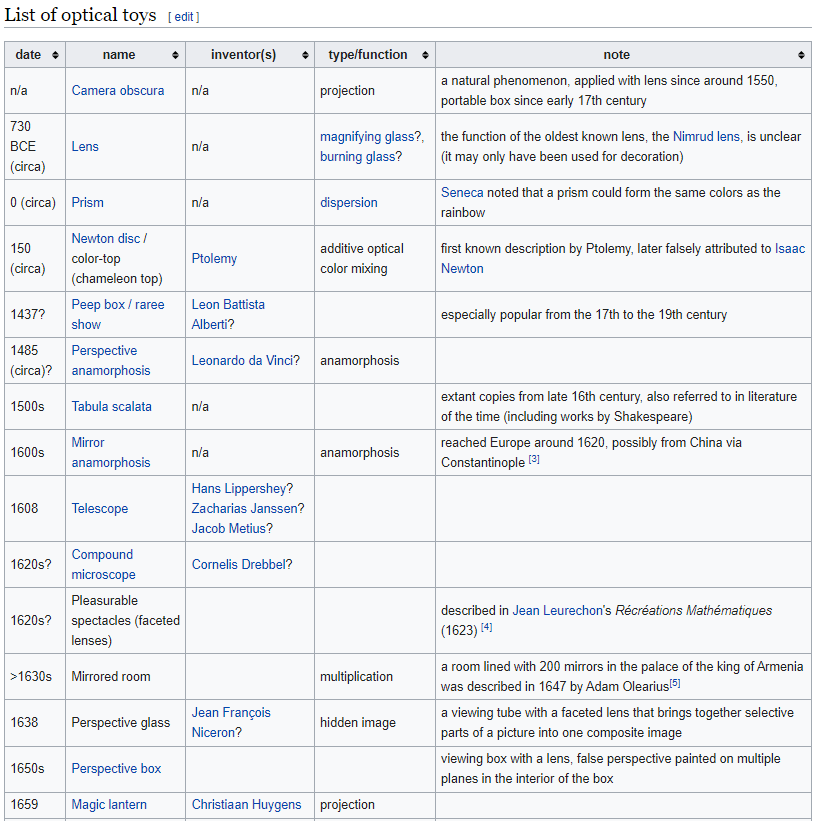
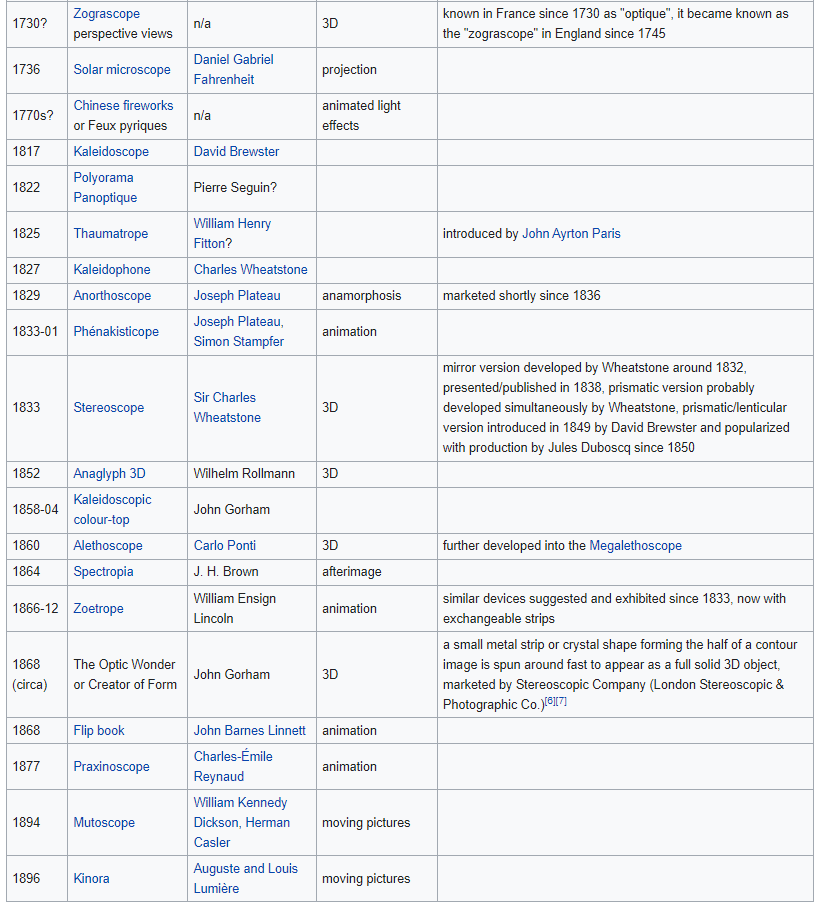
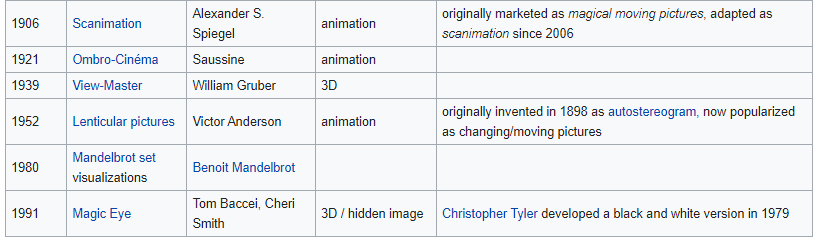
Many of the devices that can be interpreted as precursors of film are also referred to as “philosophical toys”, or “optical toys“.
Optical toys form a group of devices with some entertainment value combined with a scientific, optical nature. Many of these were also known as “philosophical toys” when they were developed in the 19th century.
People must have experimented with optical phenomena since prehistoric times and played with objects that influenced the experience of light, color and shadow. In the 16th century some experimental optical entertainment – for instance camera obscura demonstrations – were part of the cabinets of curiosities that emerged at royal courts. Since the 17th century optical tabletop instruments such as the compound microscope and telescope were used for parlour entertainment in richer households .
Other, larger devices – such as peep shows – were usually exhibited by travelling showmen at fairs.
The phenakistiscope, zoetrope, praxinoscope and flip book a.o. are often seen as precursors of film, leading to the invention of cinema at the end of the 19th century. In the 21st century this narrow teleological vision was questioned and the individual qualities of these media gained renewed attention of researchers in the fields of the history of film, science, technology and art. The new digital media raised questions about our knowledge of media history. The tactile qualities of optical toys that allow viewers to study and play with the moving image in their own hands, seem more attractive in a time when digitalisation makes the moving image less tangible.
Several philosophical toys were developed through scientific experimentation, then turned into scientific amusements that demonstrated new ideas and theories in the fields of optics, physics, electricity, mechanics, etc. and ended up as toys for children.
Cinematic device
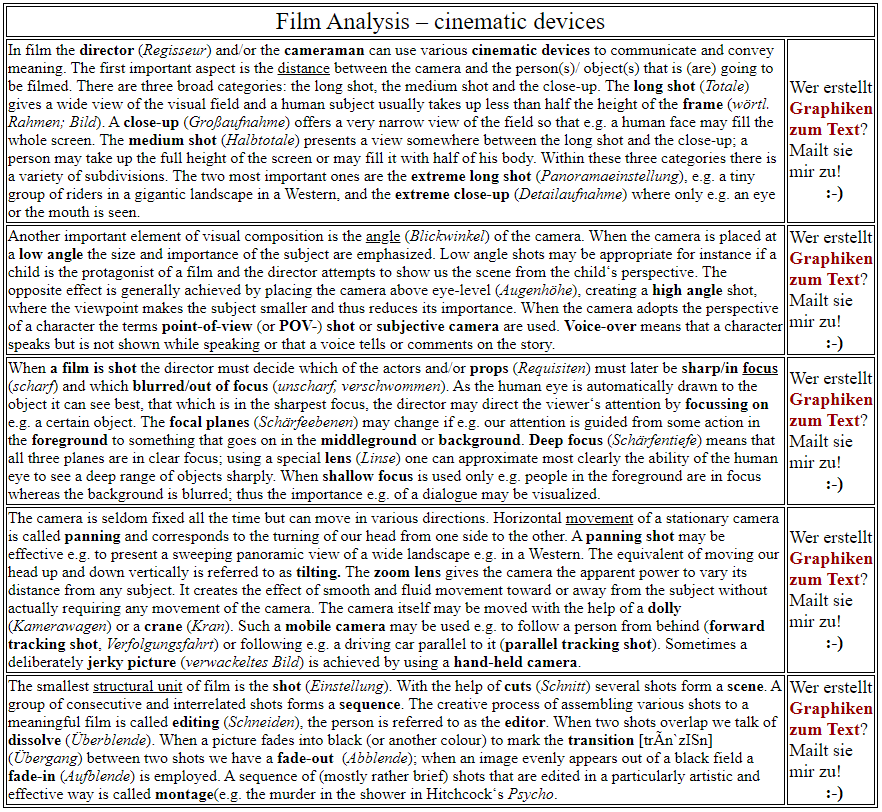
Select three key images of cinematic devices which will inform your design of a cinematic device.
For my cinematic devices i’m leaning more towards on the long shots and the movement of what is being captured
Tracks, stabilizer, gimble, sliders, drones,
Track and dolly
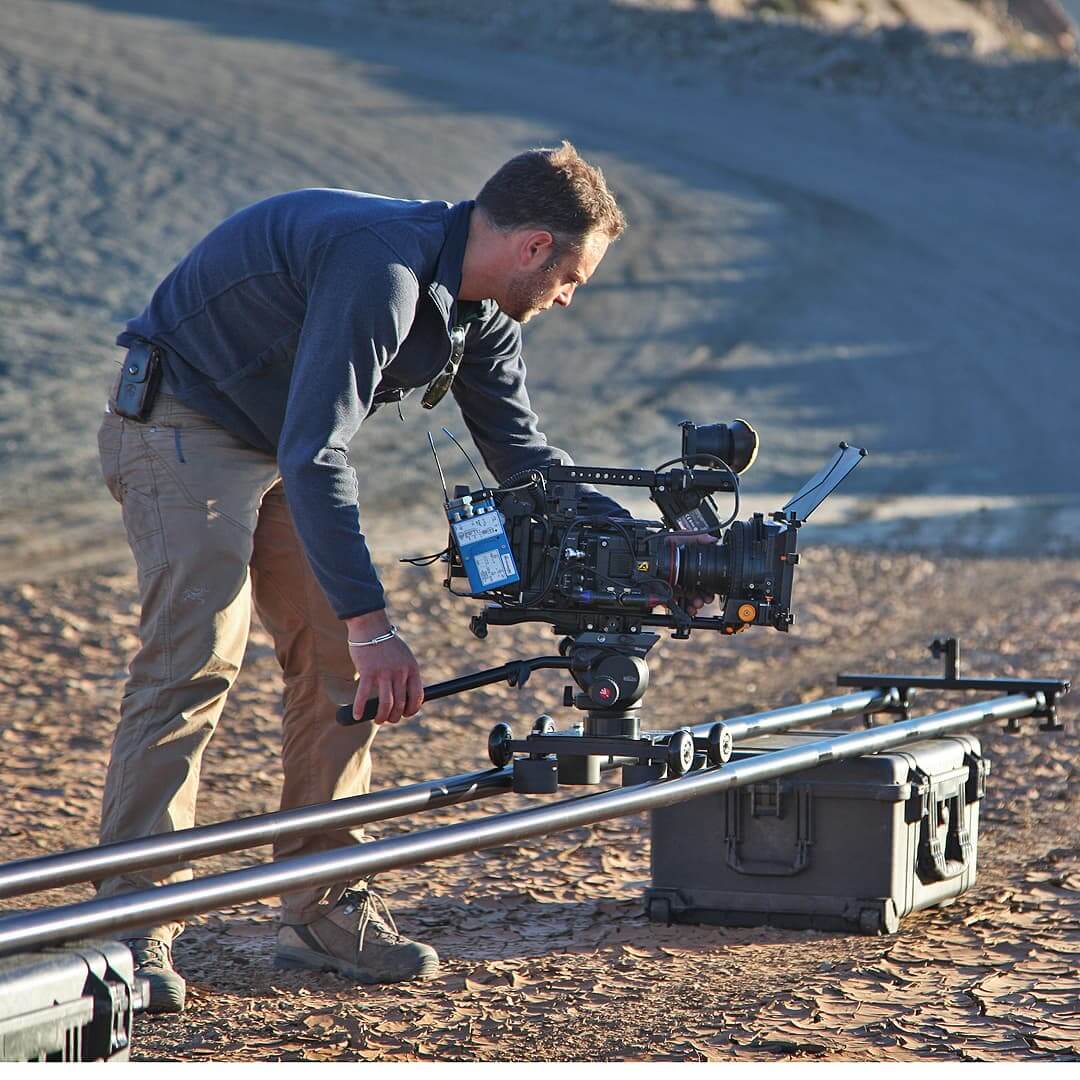
Gimble

Drone

Dolly cam
A camera dolly is a wheeled cart or similar device used in filmmaking and television production to create smooth horizontal camera movements. The camera is mounted to the dolly and the camera operator and focus puller or camera assistant usually ride on the dolly to push the dolly back and forth. The camera dolly is generally used to produce images which involve moving the camera toward or away from a subject while a take is being recorded, a technique known as a “dolly shot.” The dolly grip is the dedicated technician trained to operate the dolly by manually pushing it back and forth.
Movement
The camera dolly may be used as a shooting platform on any surface but is often raised onto a track, to create smooth movement on a horizontal axis known as a tracking shot. Additionally, most professional film studio dollies have a hydraulic jib arm that raises or lowers the camera on the vertical axis. When a dolly grip operates a dolly on perpendicular axes simultaneously, it’s known as a compound move.
Dolly moves may also be executed without track, giving more freedom on the horizontal plane and with it, a higher degree of difficulty. These are called dancefloor moves and may either be done on the existing surface (if smooth enough) or on an overlay designed for dolly movement. The ground overlay usually consists of thick plywood as a bottom layer and masonite on top.
Camera dollies have several steering mechanisms available to the dolly grip. The typical mode is rear-wheel steering, where the front wheels remain fixed, while the wheels closest to the operating handle are used to turn. A second mode, round steering, causes the front wheels to turn in the opposite direction from the rear wheels. This mode allows the dolly to move in smooth circles and is frequently used when the dolly is on curved track. A third mode, called crab steering, is when the front wheels steer in the same direction as the rear wheels. This allows the dolly to move in a direction diagonal to the front end of the dolly.
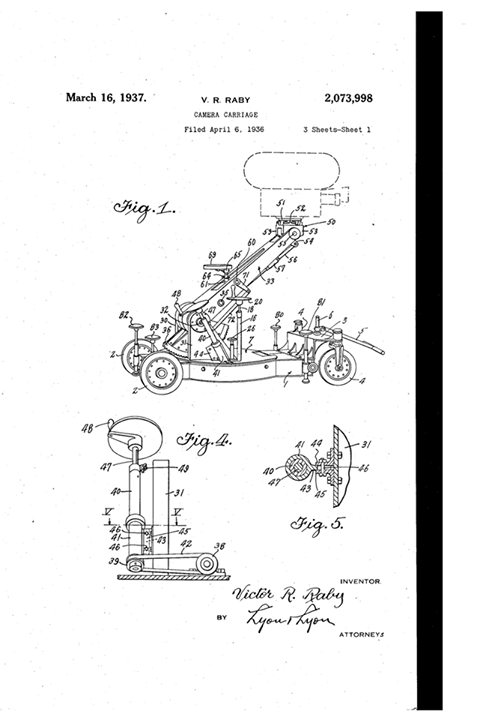
The first camera dolly 1936
In the patent application, this is referred to as a “camera carriage” and as you can see, it has only three wheels. Designed by Victor Raby and made by Studio Equipment Company, these are now rare items and only a couple of these are still around. One of the survivors is shown below under a GE Iconoscope camera from WRGB and is located with the camera at the GE Museum in Schenectady NY. By early 1937, Fearless Camera Corp had introduced the four wheel Panoram dolly which was the preferred model. Television was still in the infancy stages so most customers were movie studios, but the WRGB crew has to be credited for being innovative.

Kaleidoscope

Kaleidoscopes were invented in 1816 by David Brewster a Scottish inventor. Sir David Brewster was studying many aspects of physical Sciences including polarization optics and the properties of light. While looking at some objects at the end of 2 mirrors He noticed patterns and colors were recreated and reformed into Beautiful new arrangements. He named this new invention after the greek words meaning beautiful form watcher. kalos, the greek word for beautiful, eodos, the greek word = shape scopeo, the greek word = to look at.
In 1817 He patented his idea but is seems a incorrectly worded patent made it easy for others to copy without much in way of legal recourse. David Brewster actually did not see much in way of financial success from this invention as other inventors were aggressive in mass producing this new art form. Sir David Brewster was instrumental in many light and optical advances including a lens design for lighthouses and in 1849 He made advances in Stereoscope designs.
Kaleidoscopes became very popular during the Victorian age as a parlor diversion. Charles Bush was a very popular United States kaleidoscope maker during the 1870s for his parlor kaleidoscope. He patent his idea in 1873 and to this day collectors search for this particular kaleidoscope. These were made with a round base and a rarer 4 footed version.
Many of the baby boomers remember receiving a toy kaleidoscope as a kid. It was not until the late 1970s that a renaissance in Kaleidoscope artistry began. In 1980 a first exhibition of kaleidoscopes helped fuel the interest in kaleidoscopes as an art form. Today there are 100’s of great kaleidoscope artists and kaleidoscope makers.
My cinematic device ideas
initially i wanted to take a birds eyeview using a drone, however i wasn’t allowed to fly it without a license hence to why i had to come up with an alternative or new ideas.
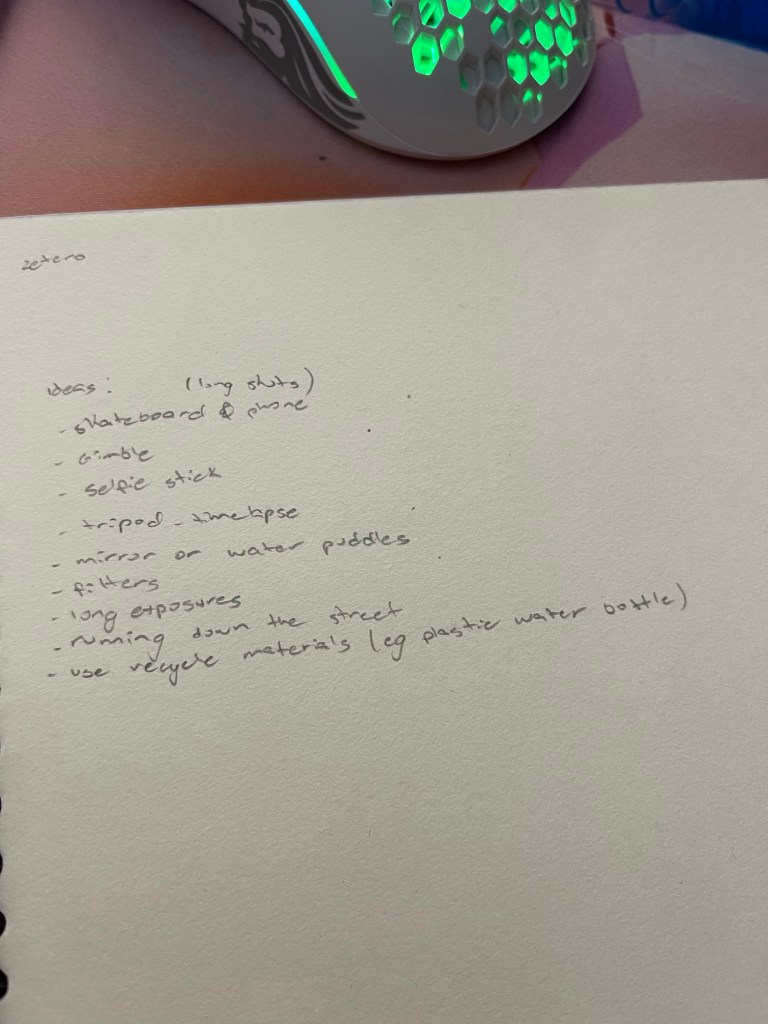
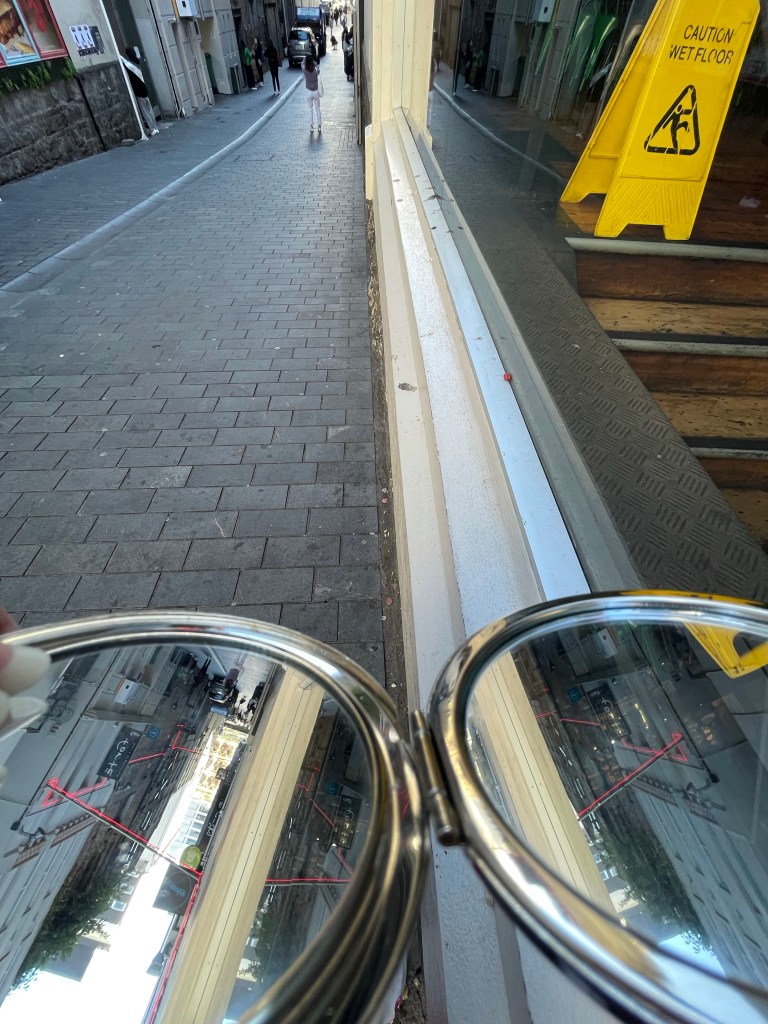
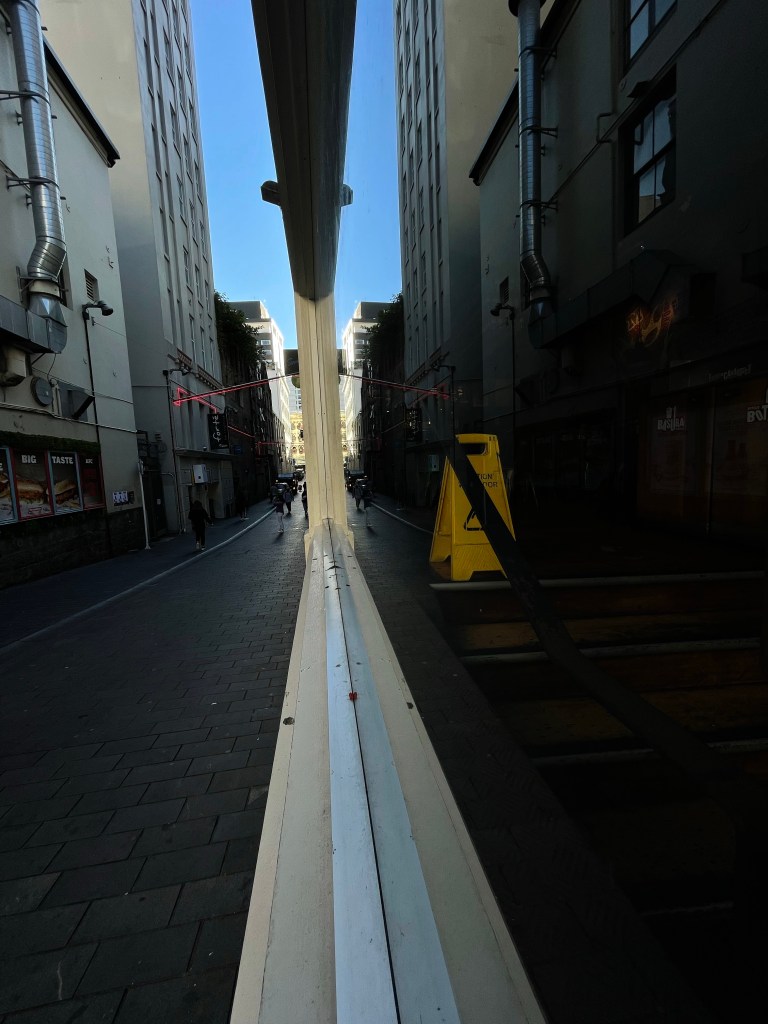
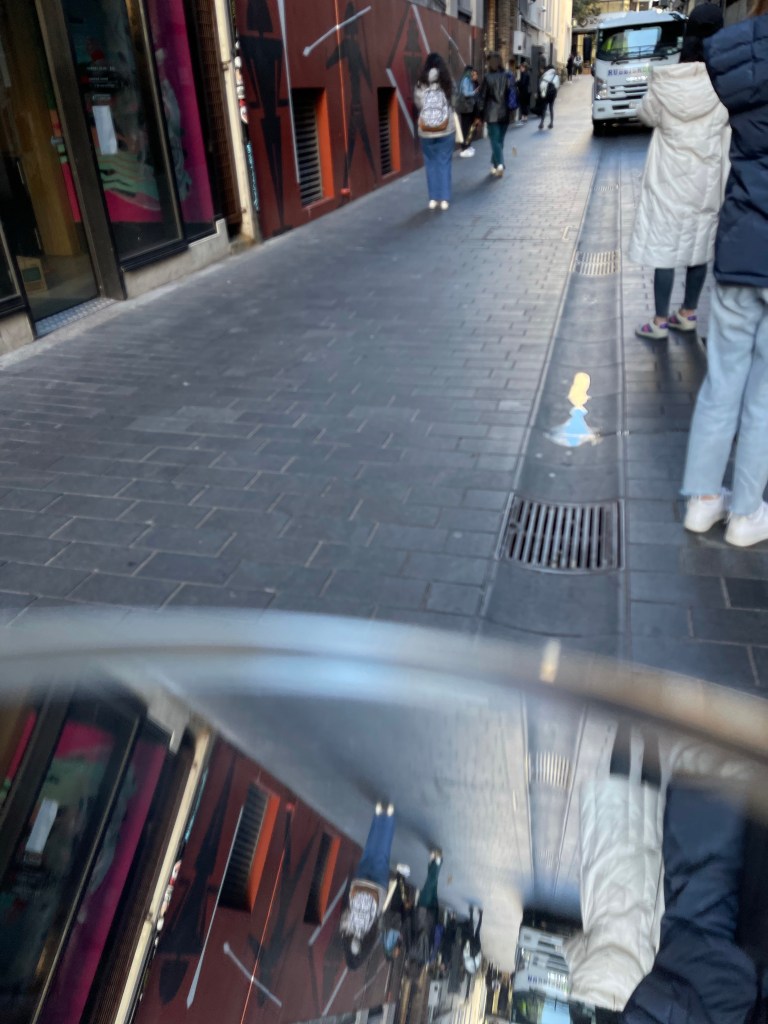
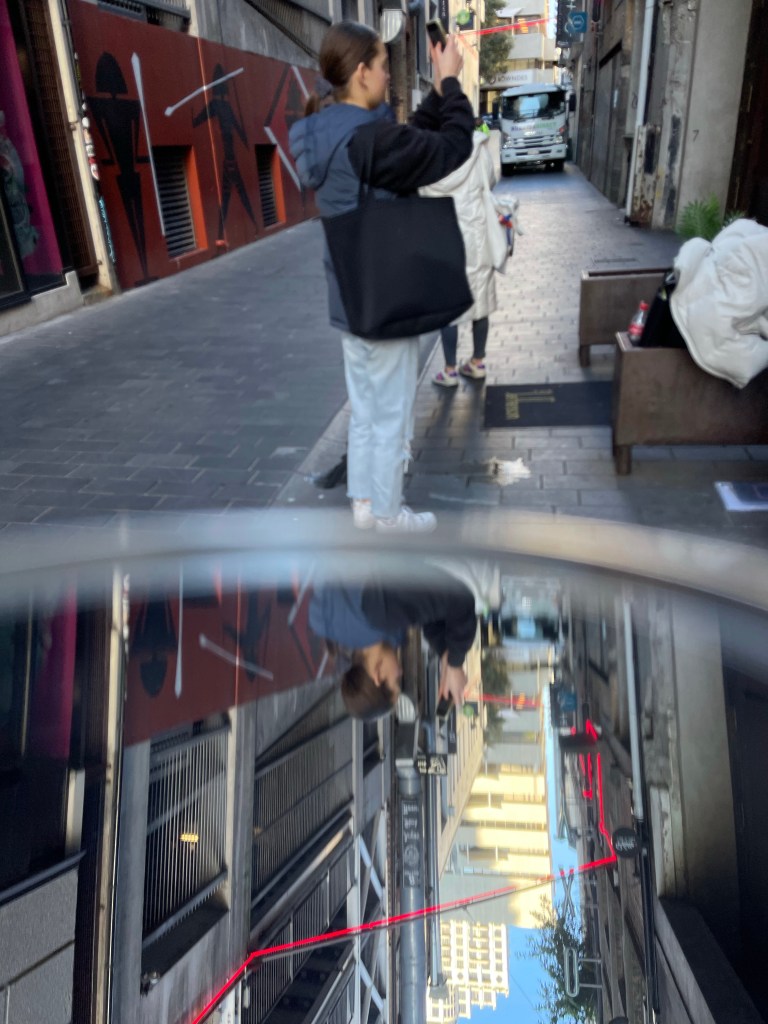
Kaleidoscope/mirrored room inspired
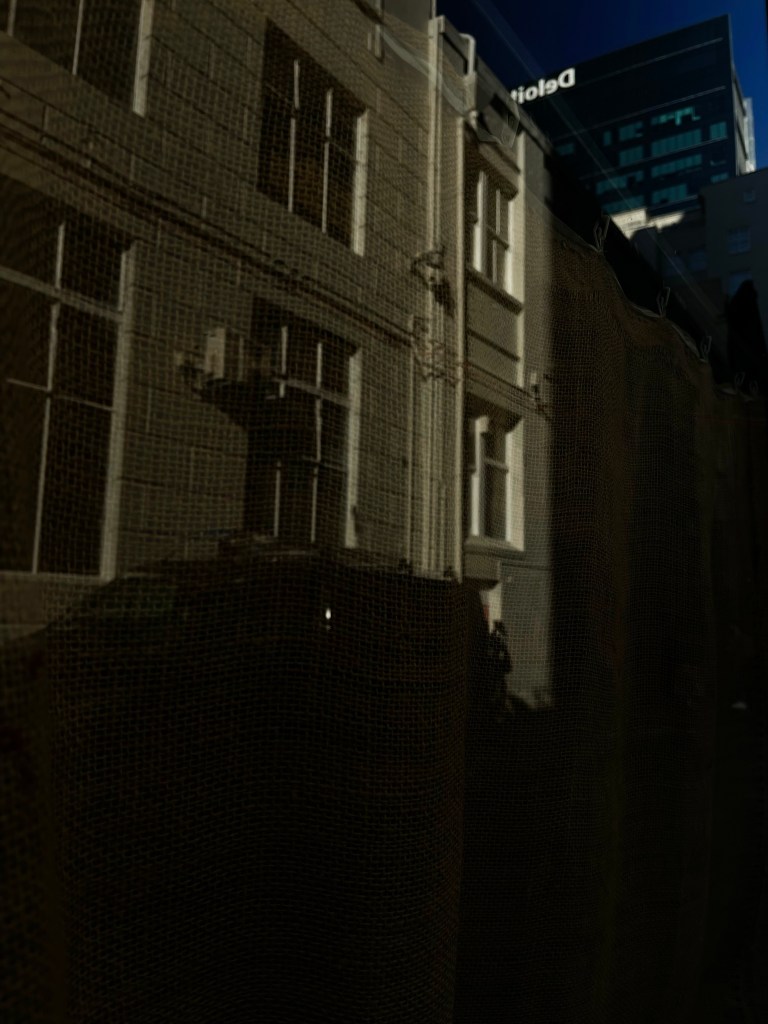
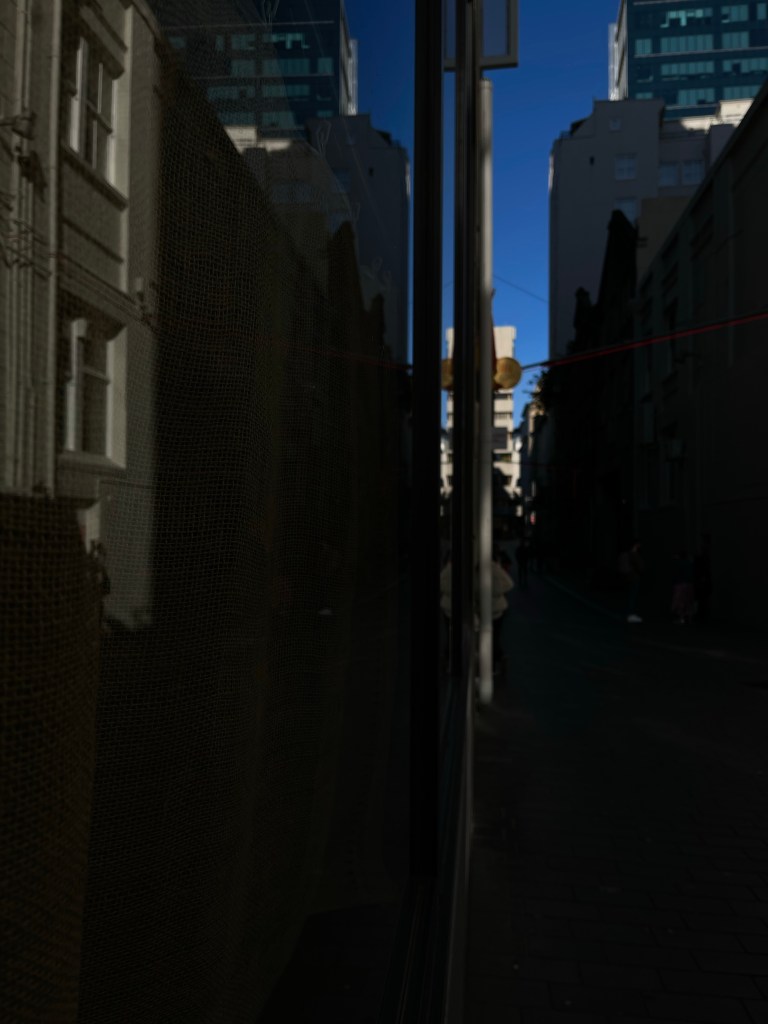
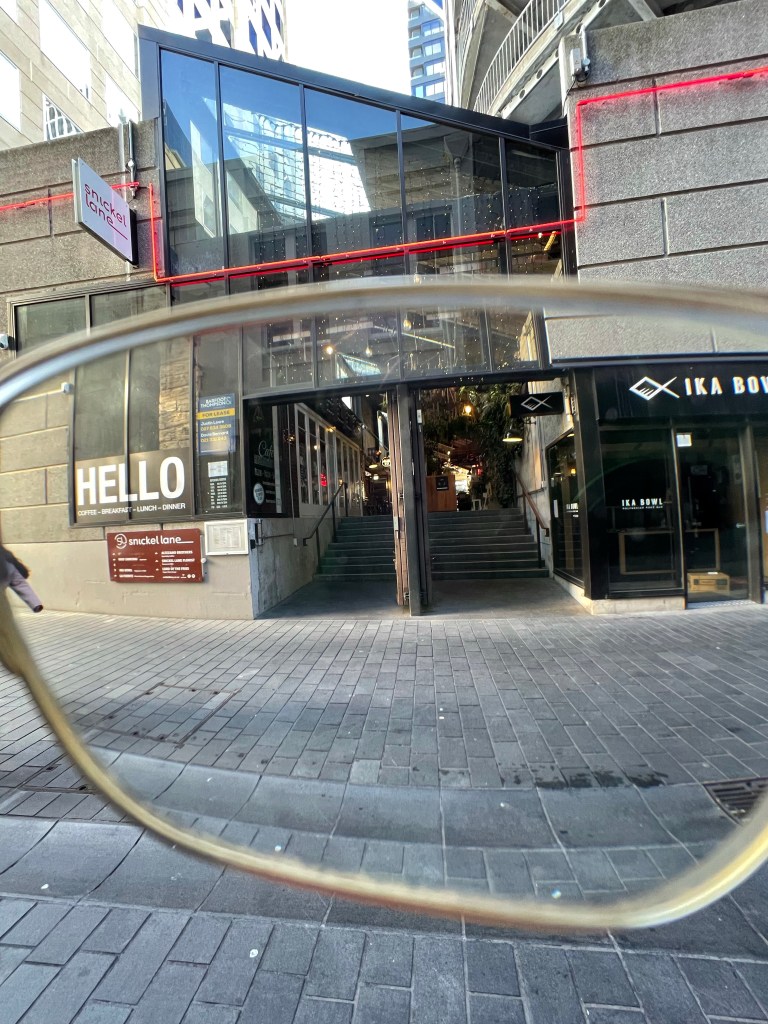
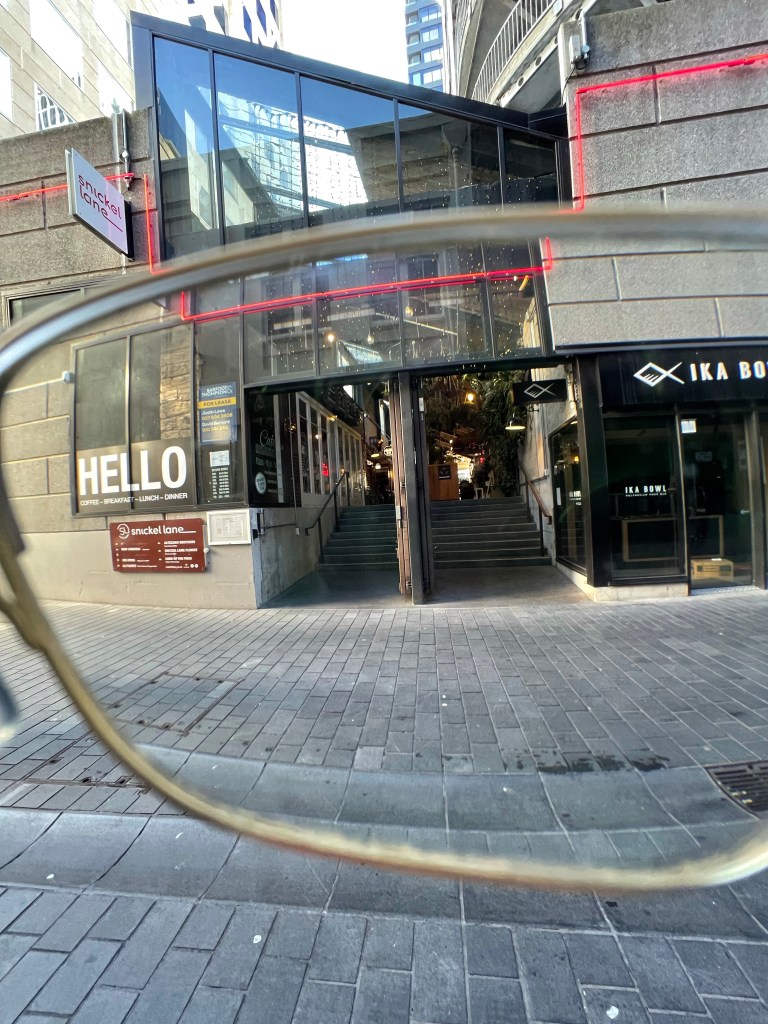
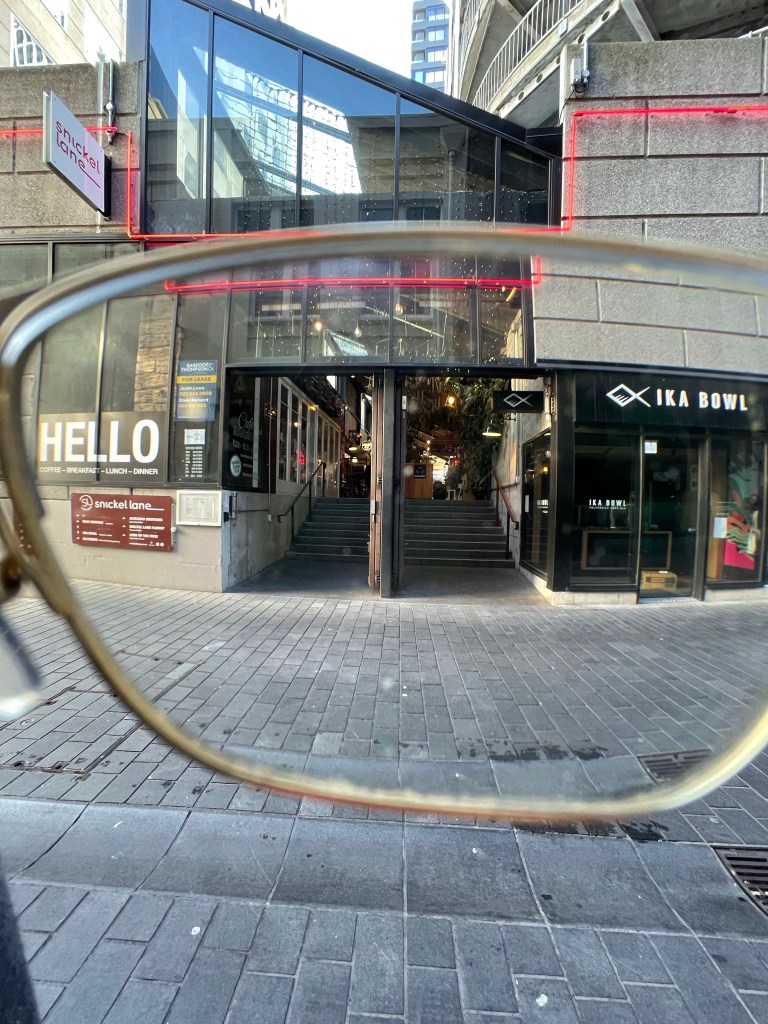
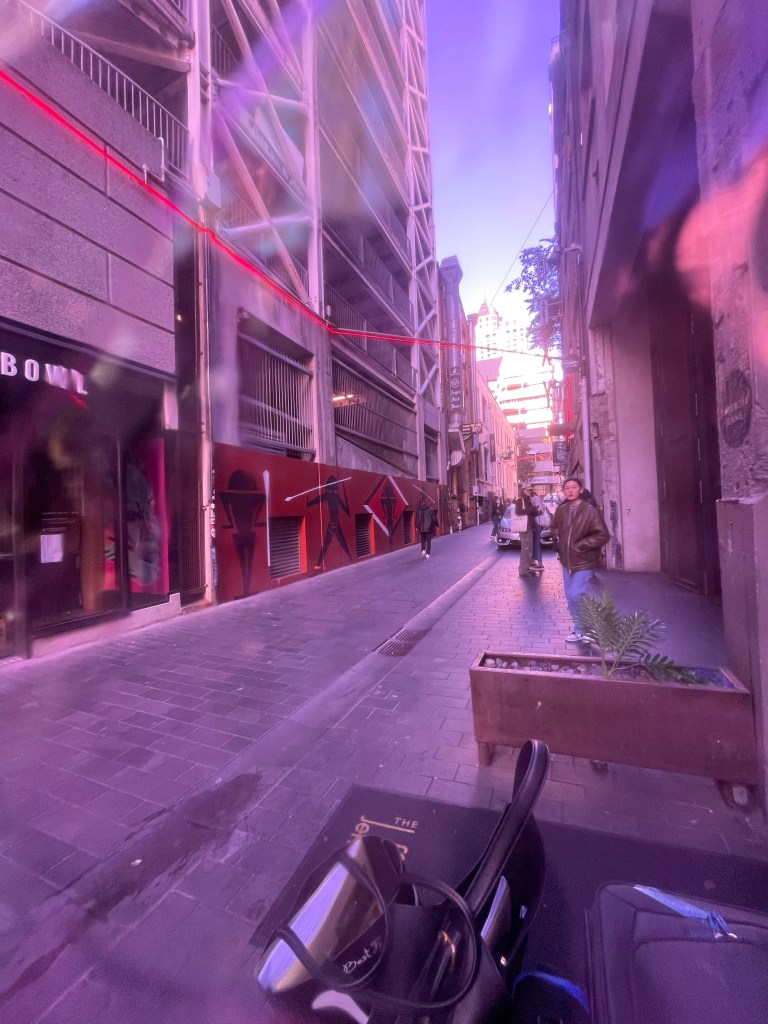
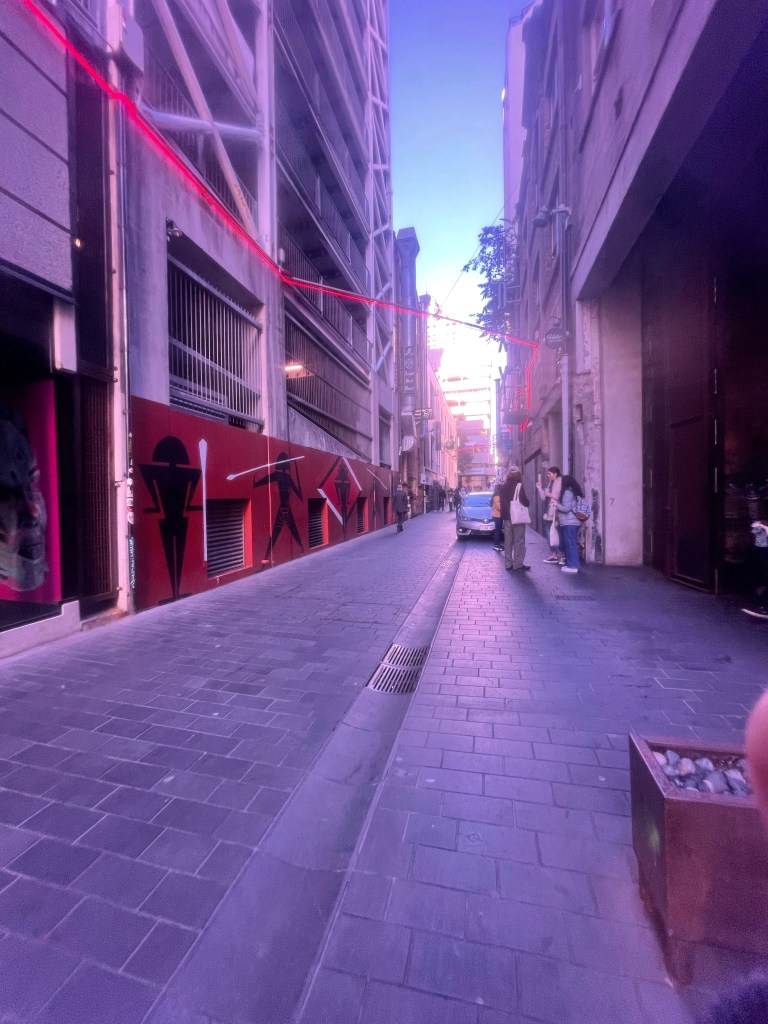
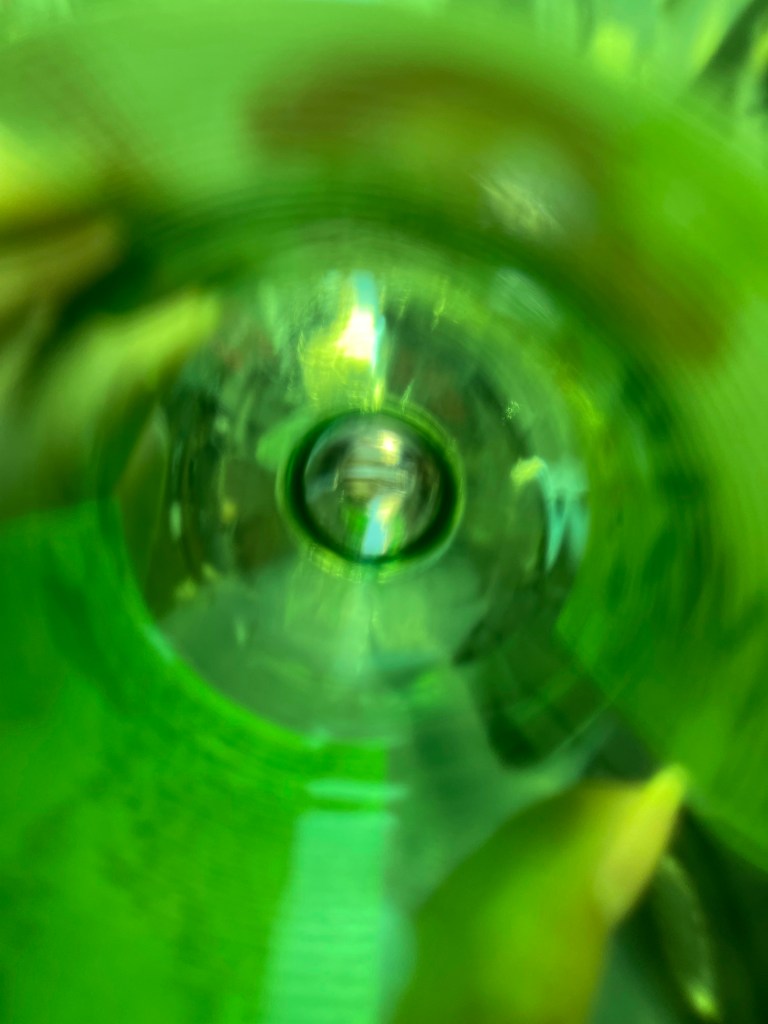
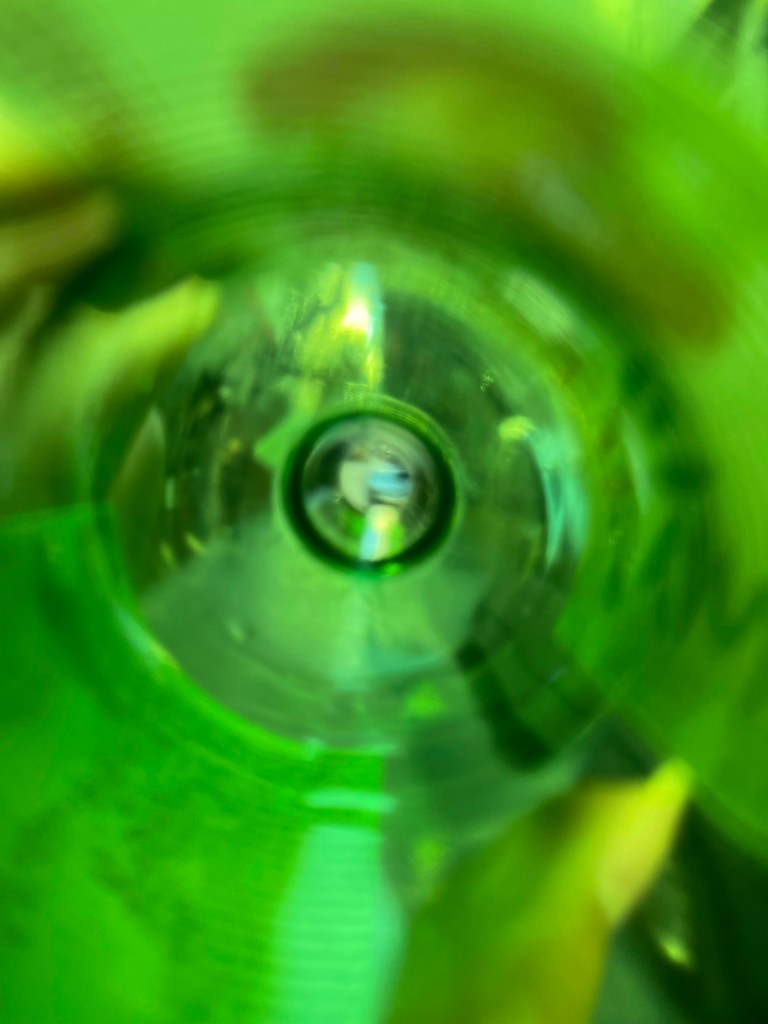
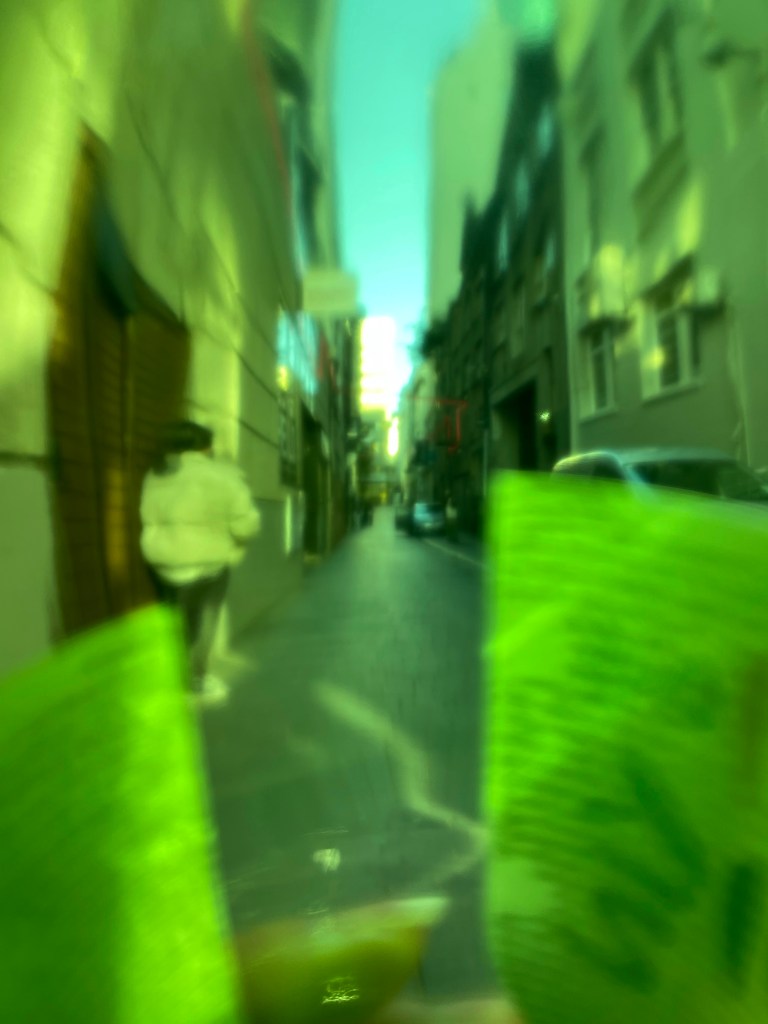
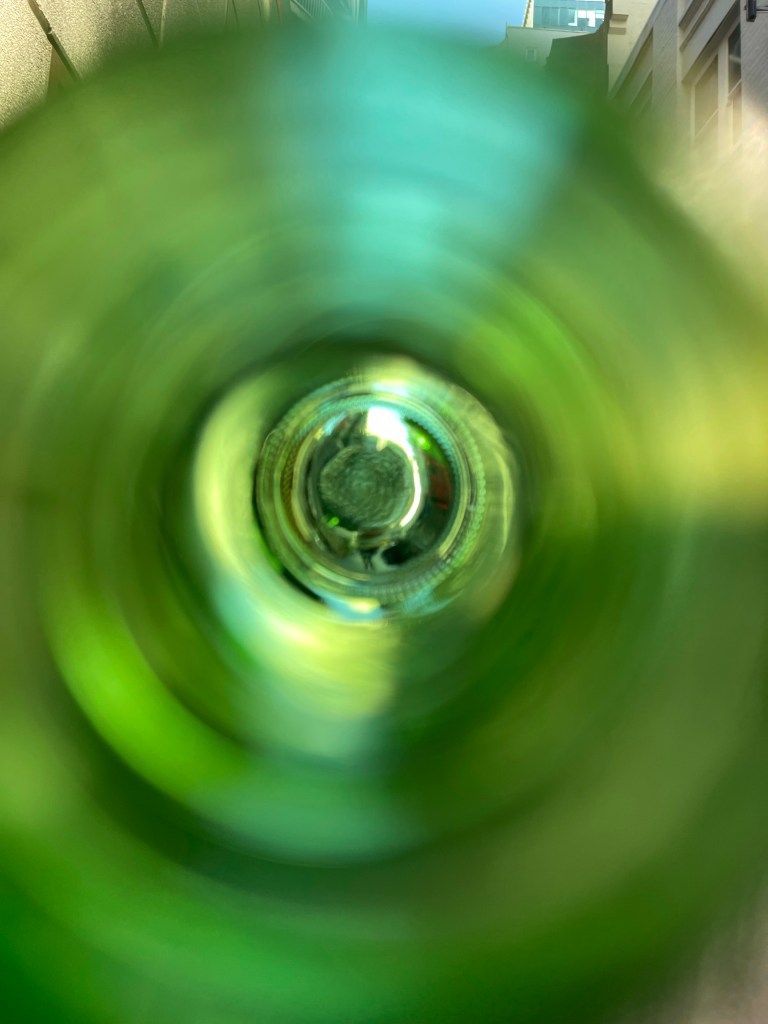
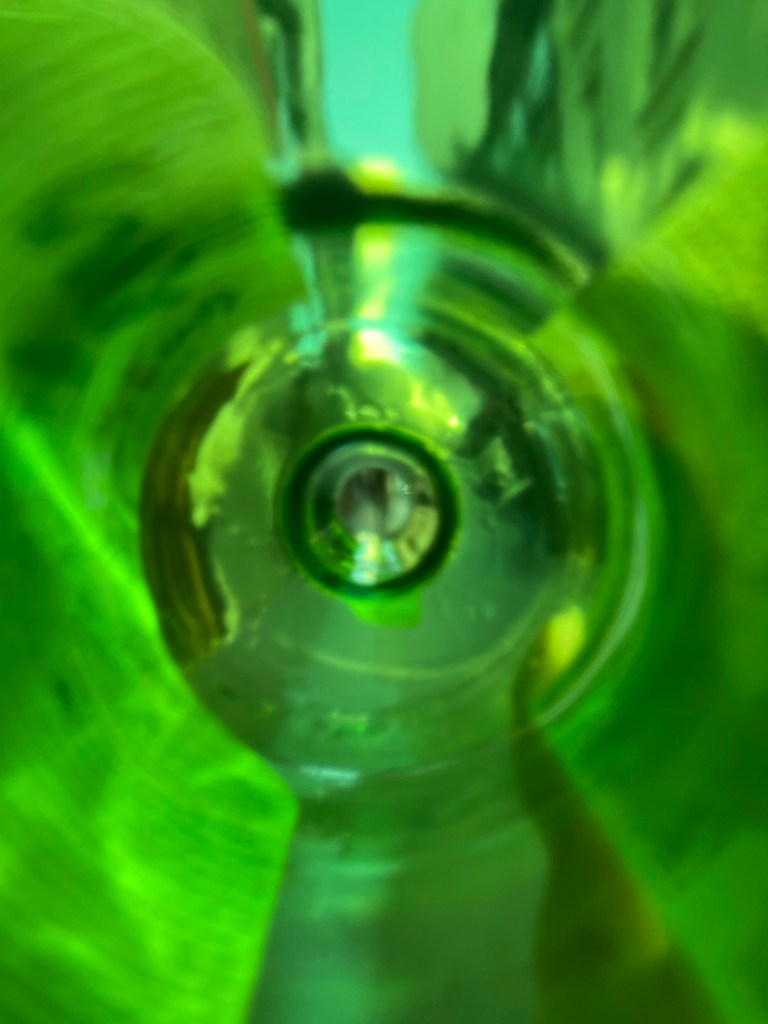
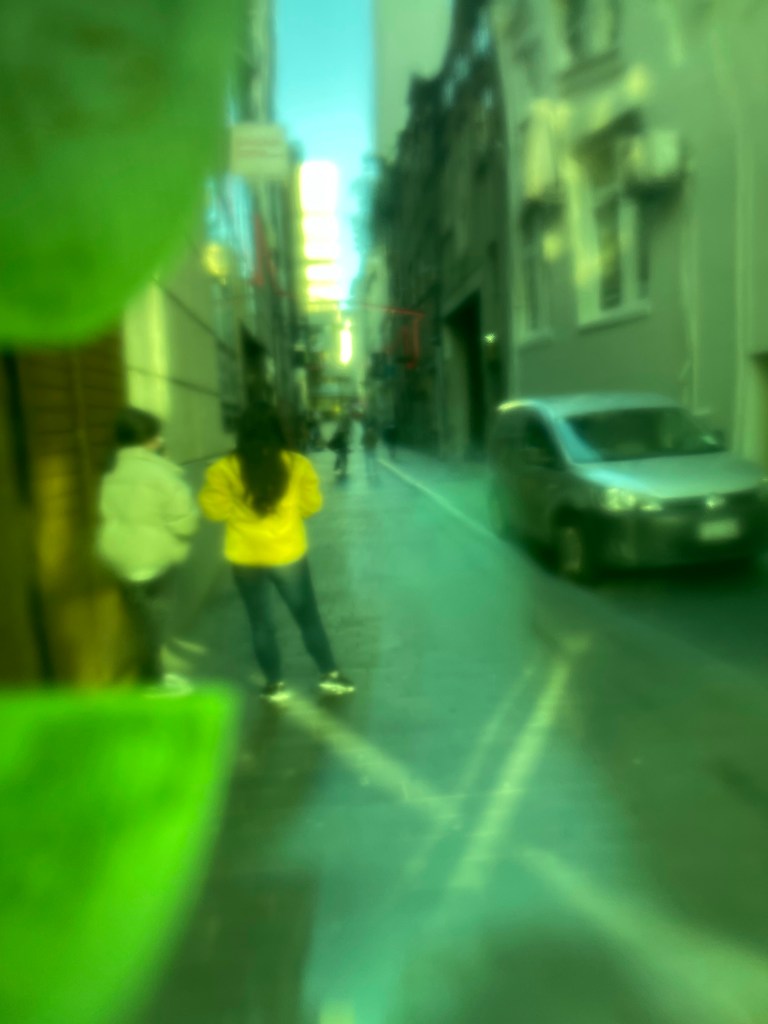
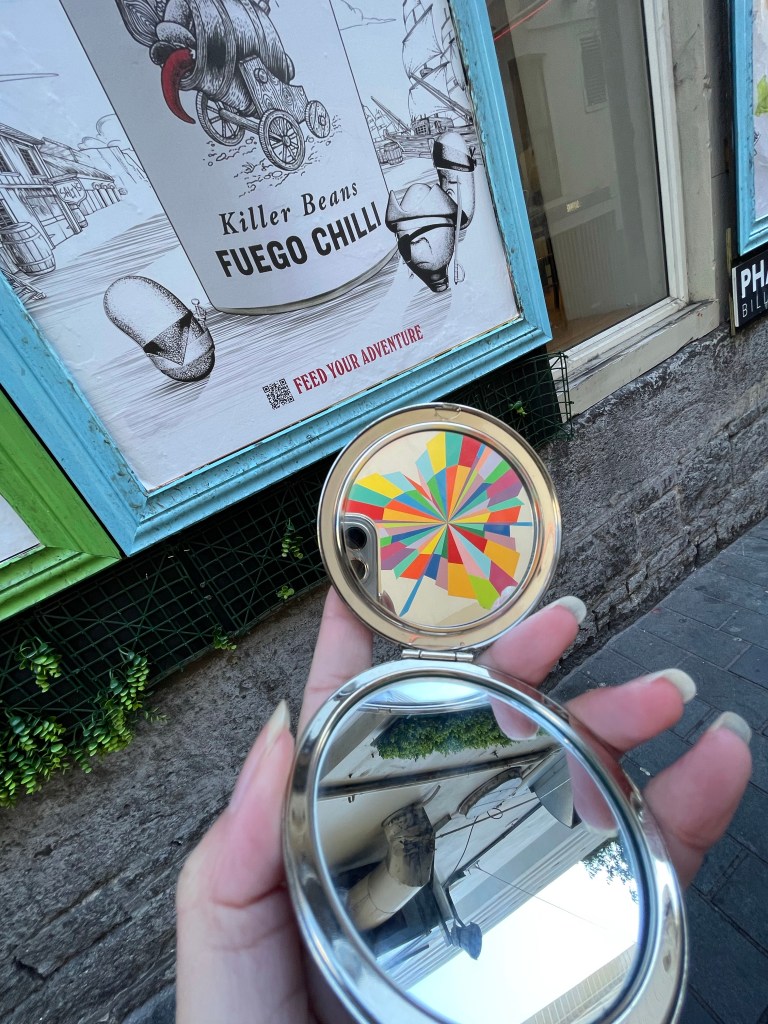
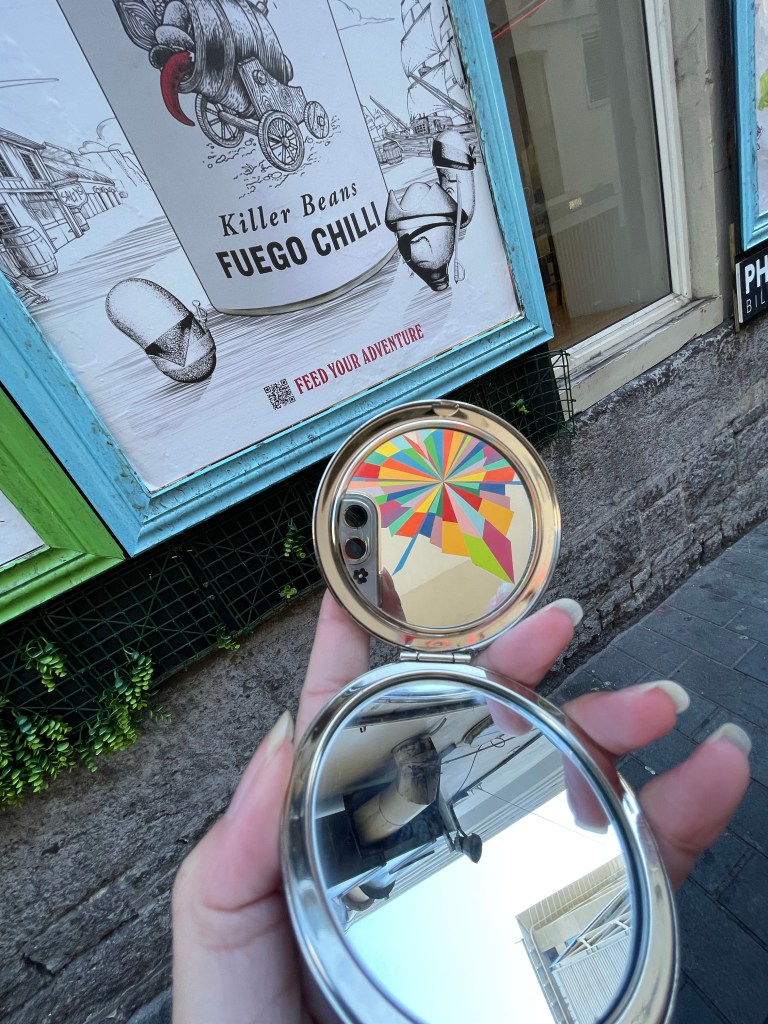
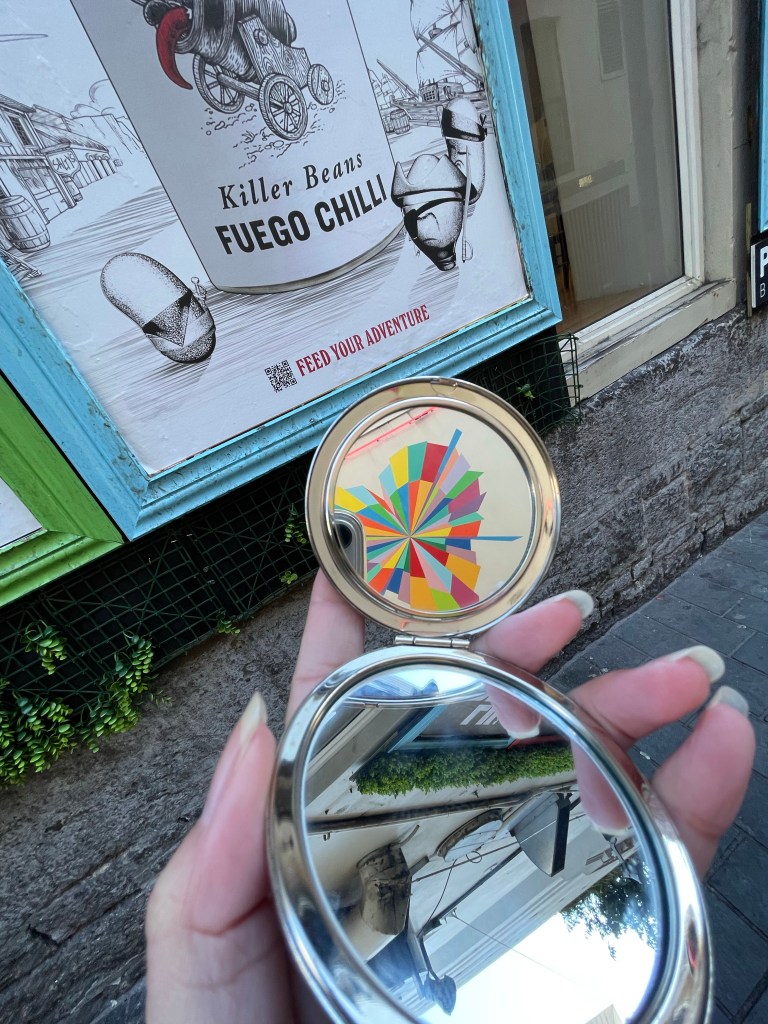
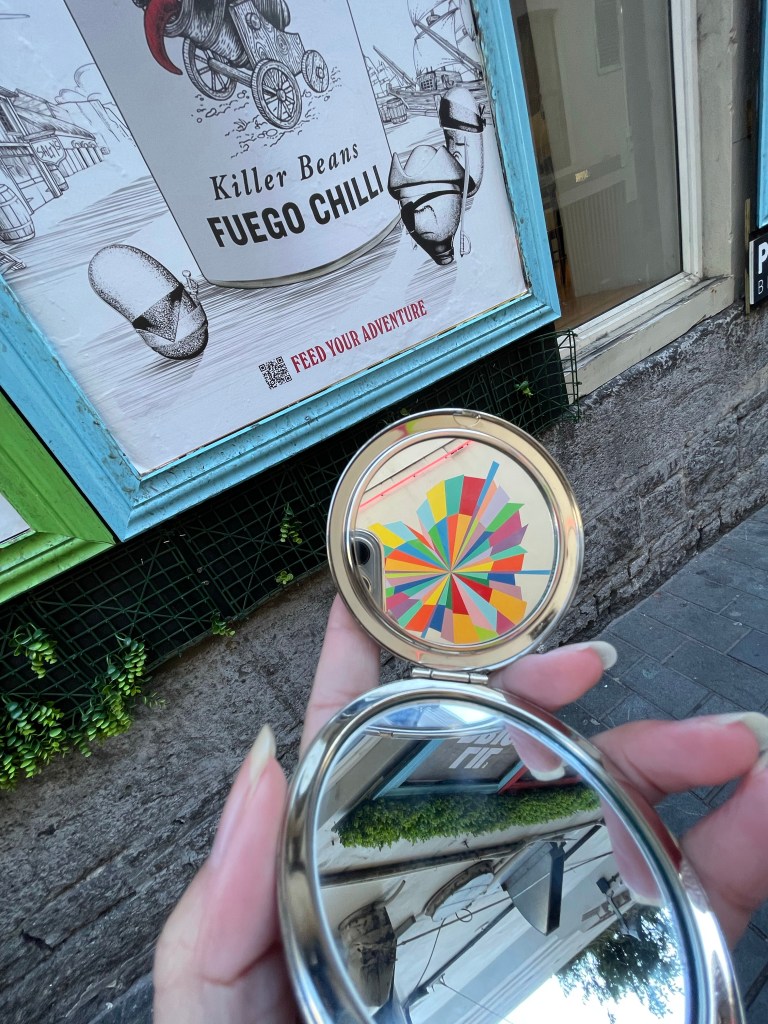
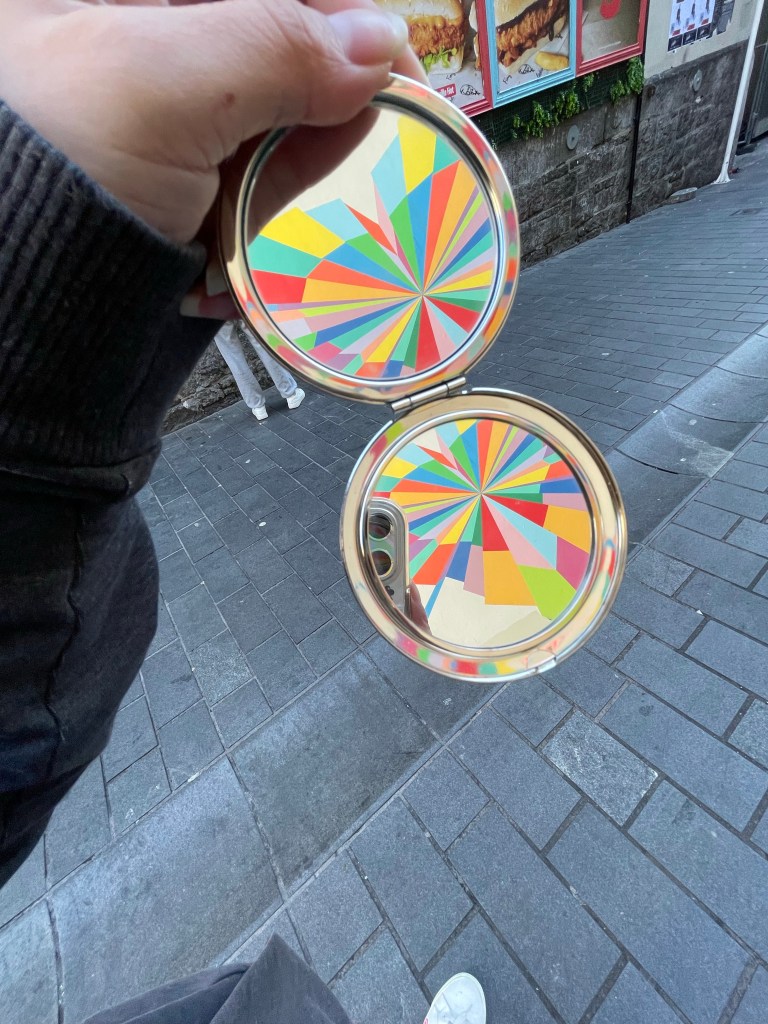
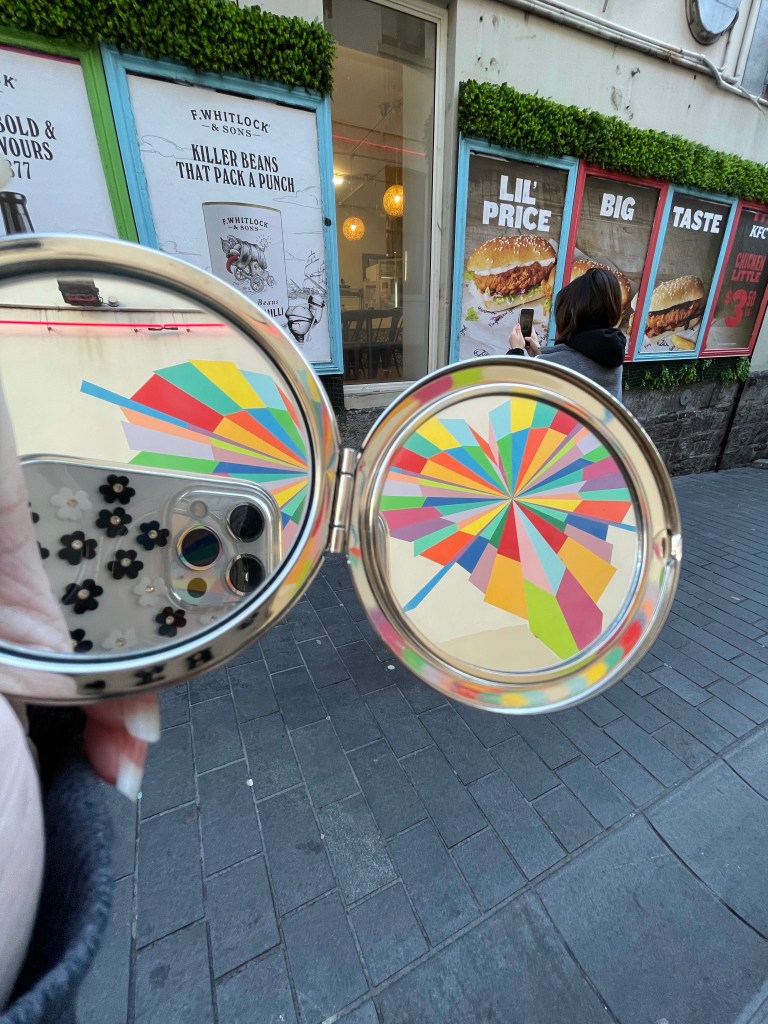
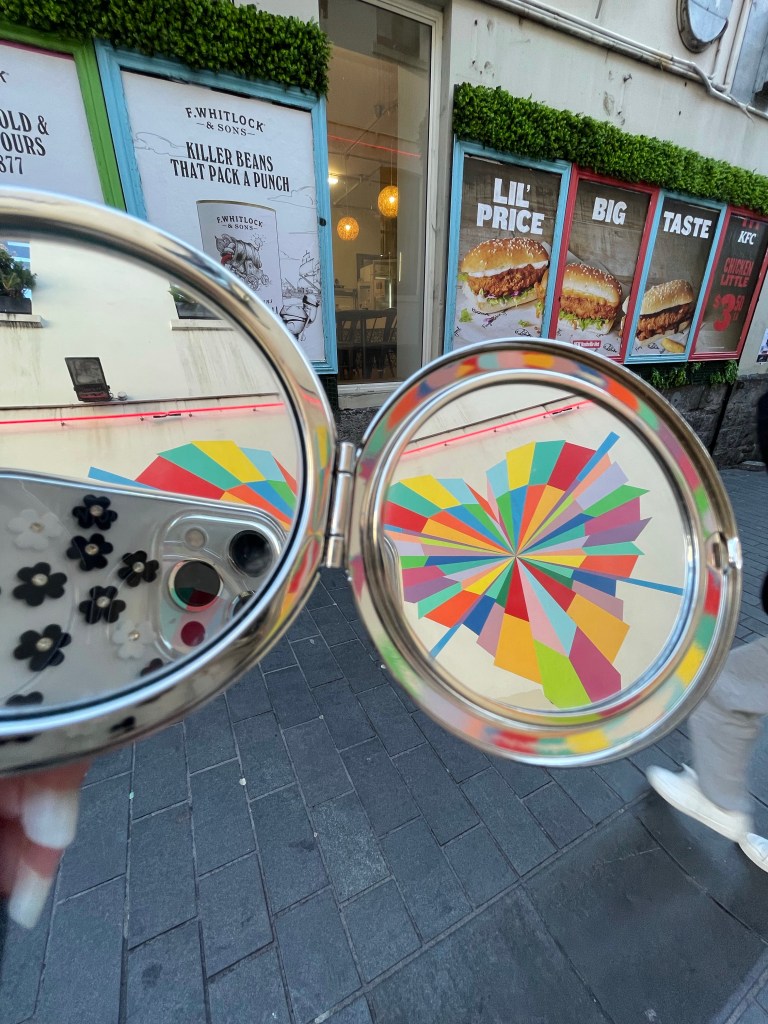
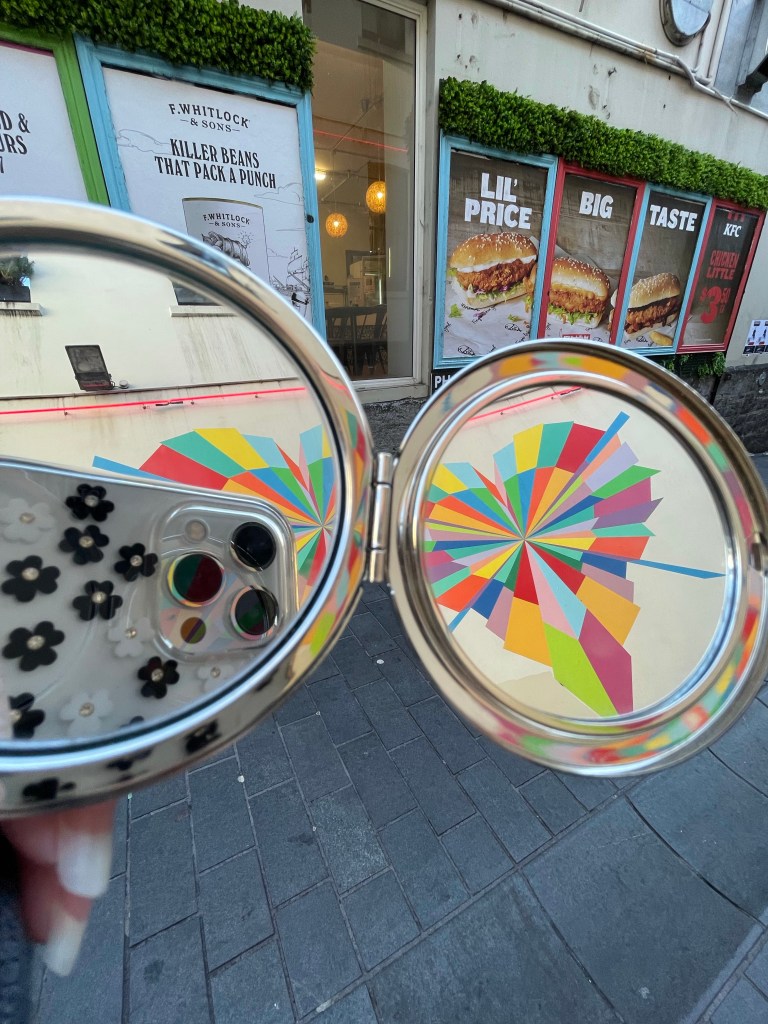
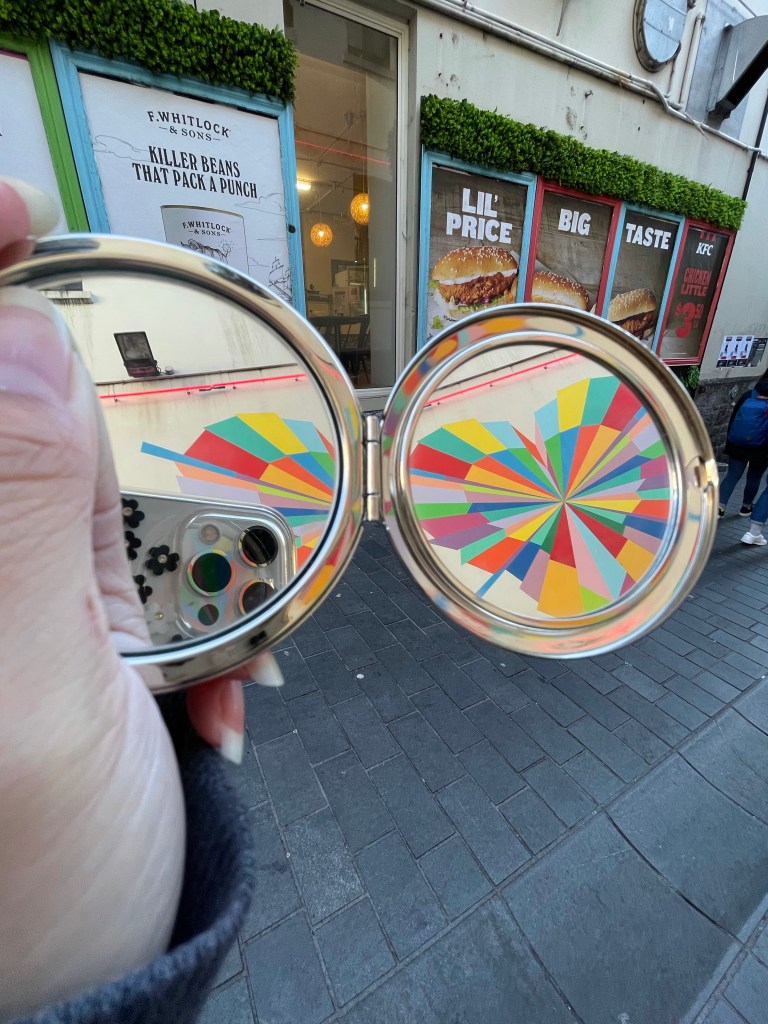
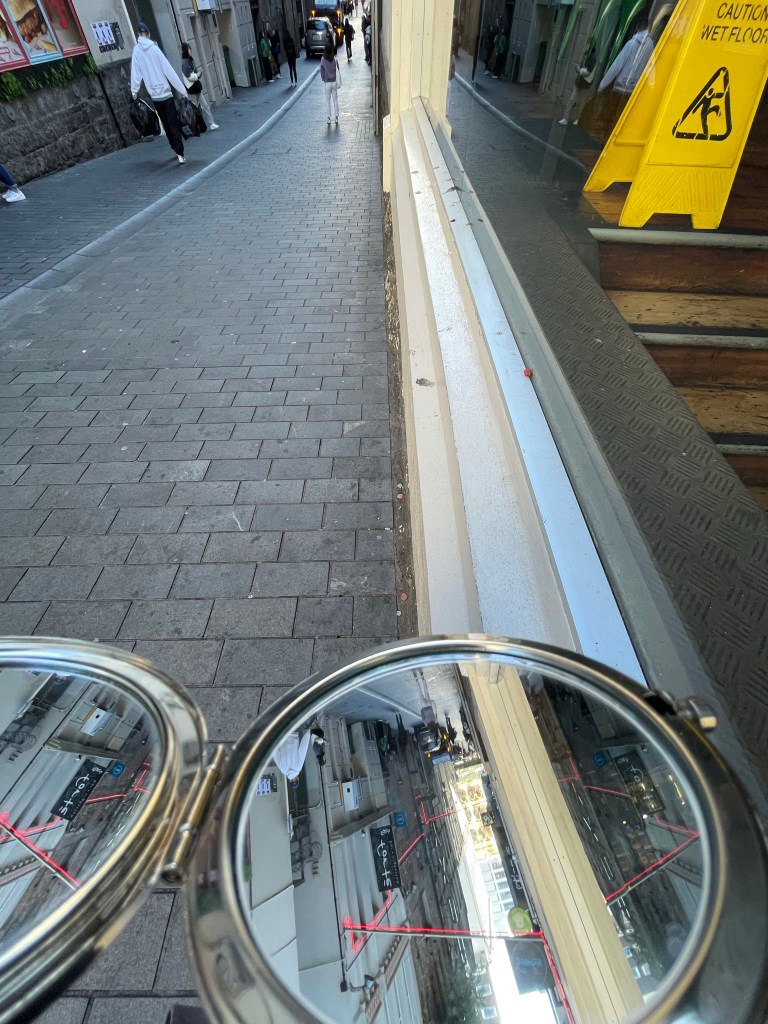
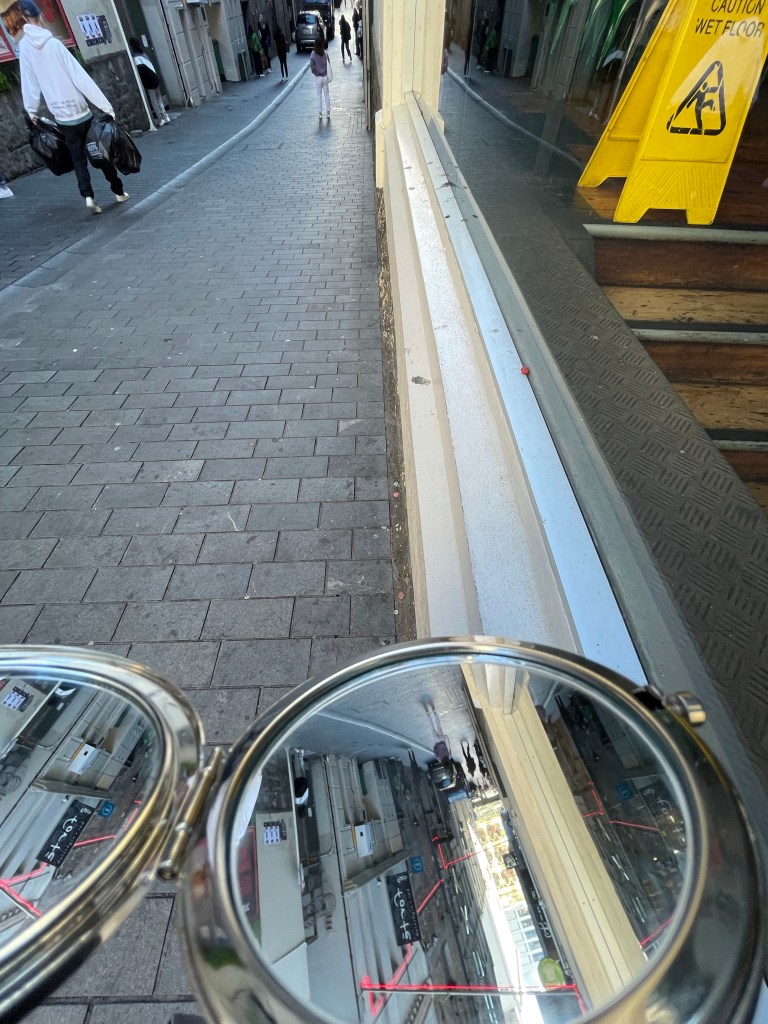
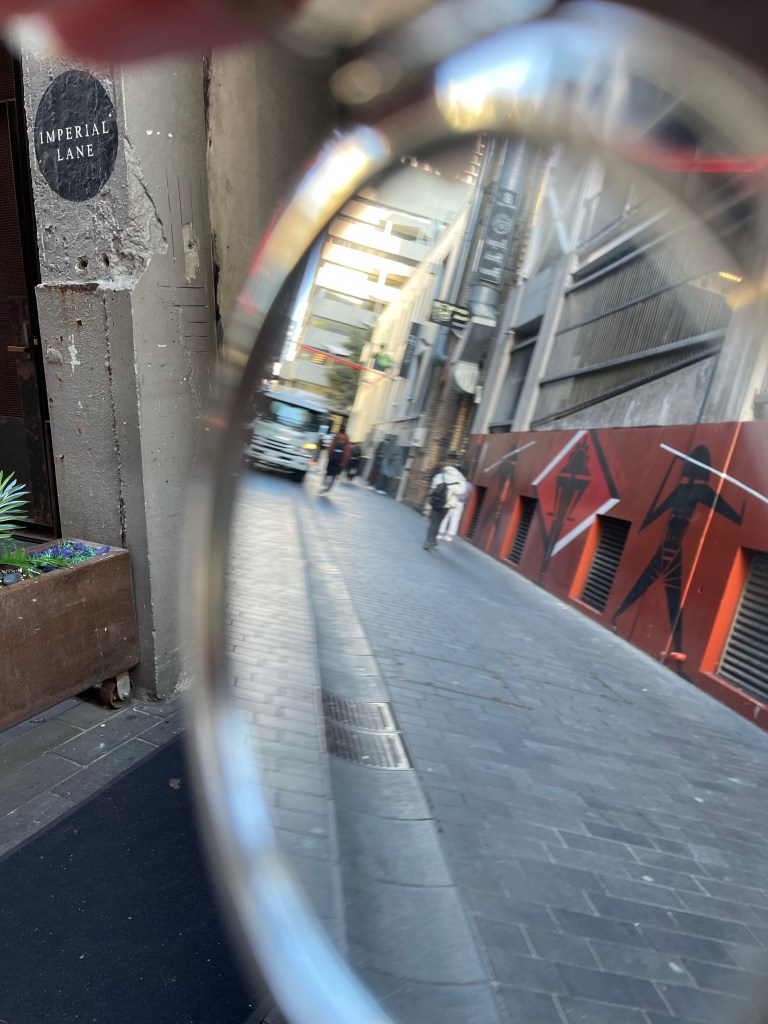
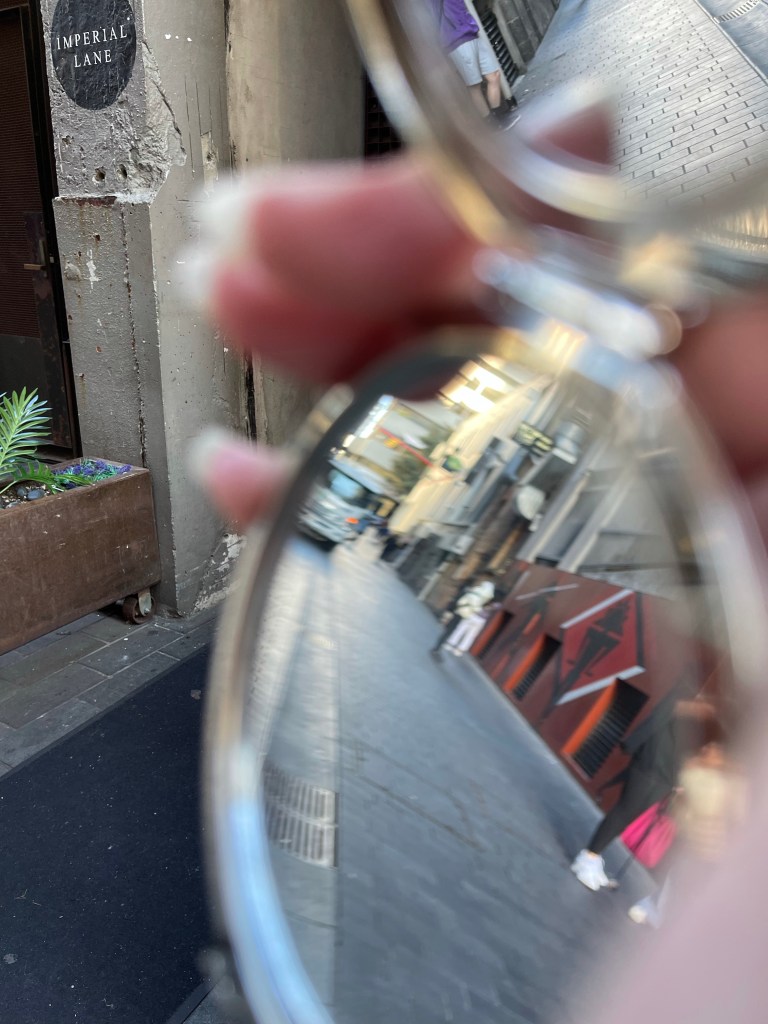
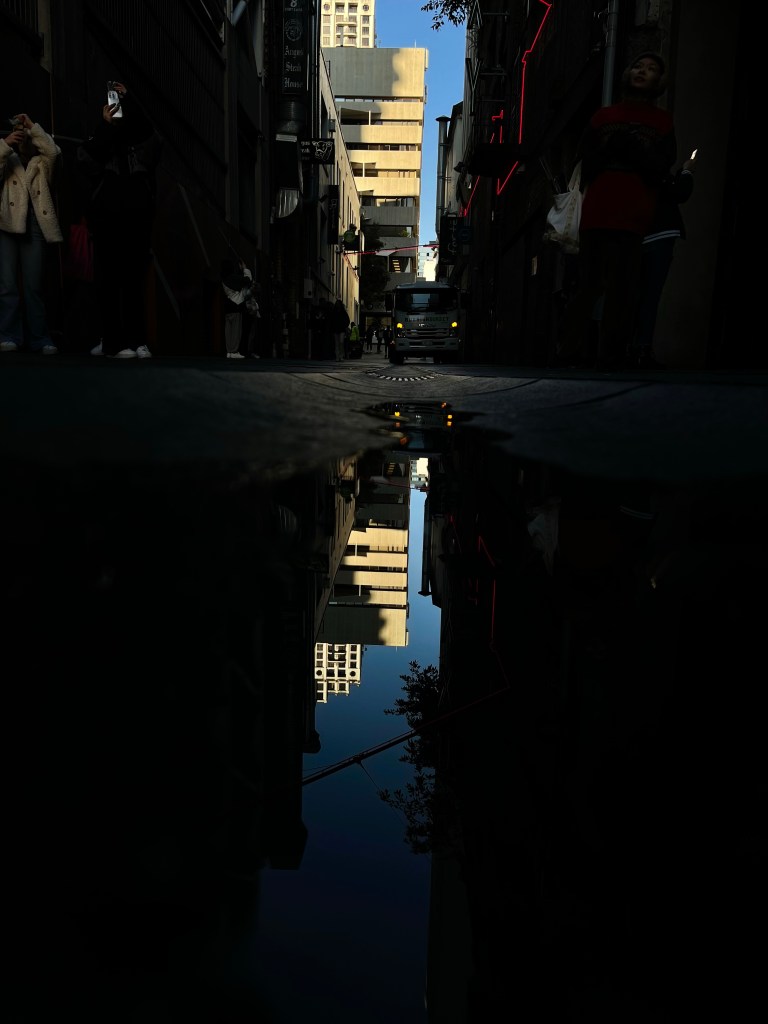
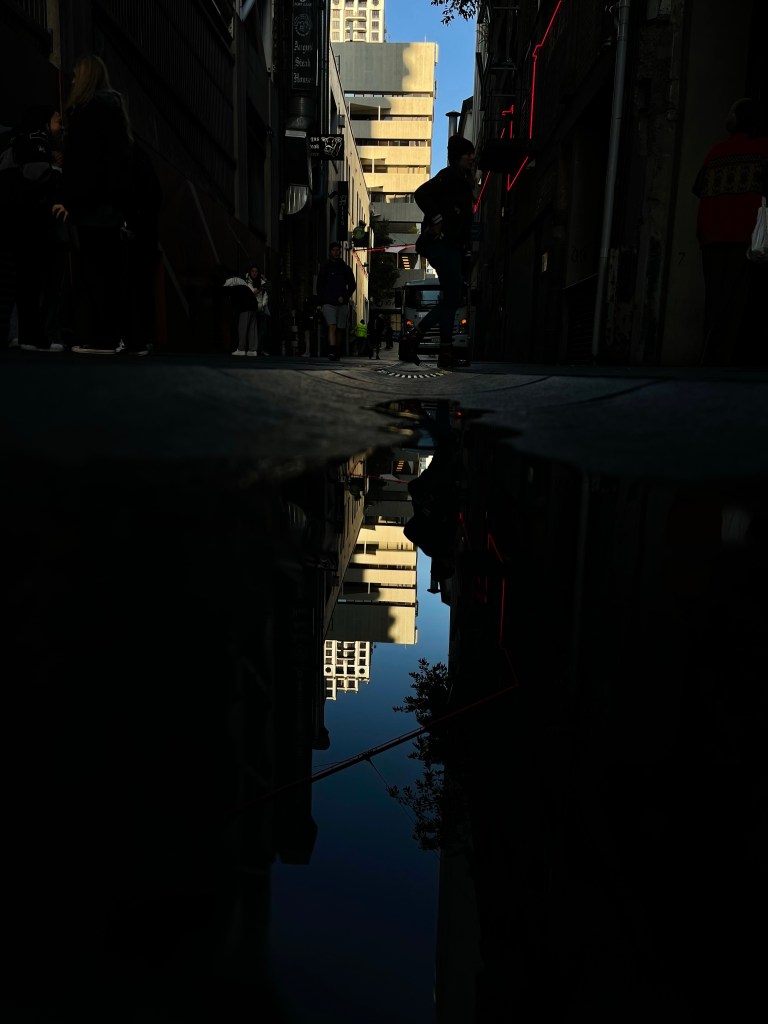
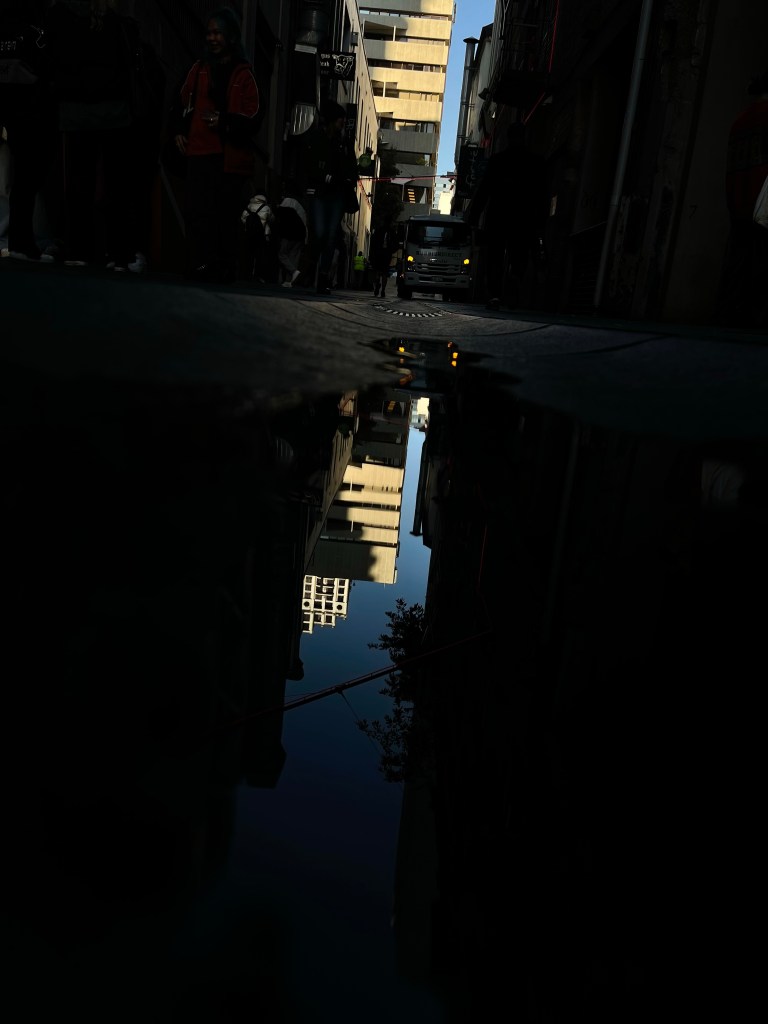
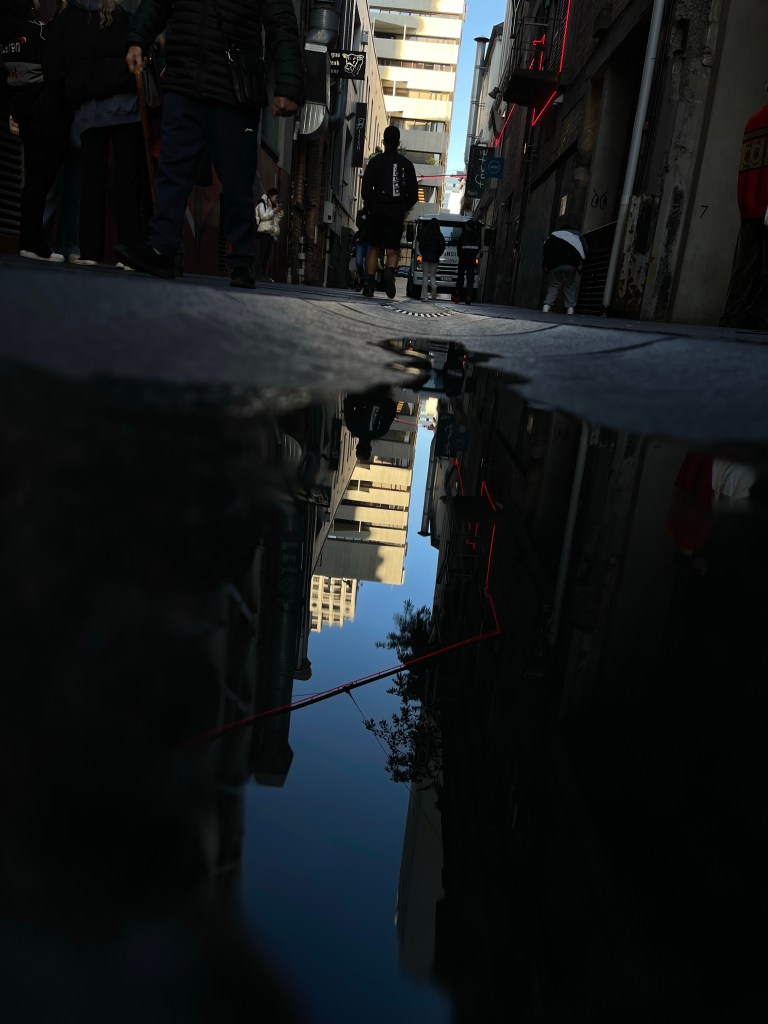
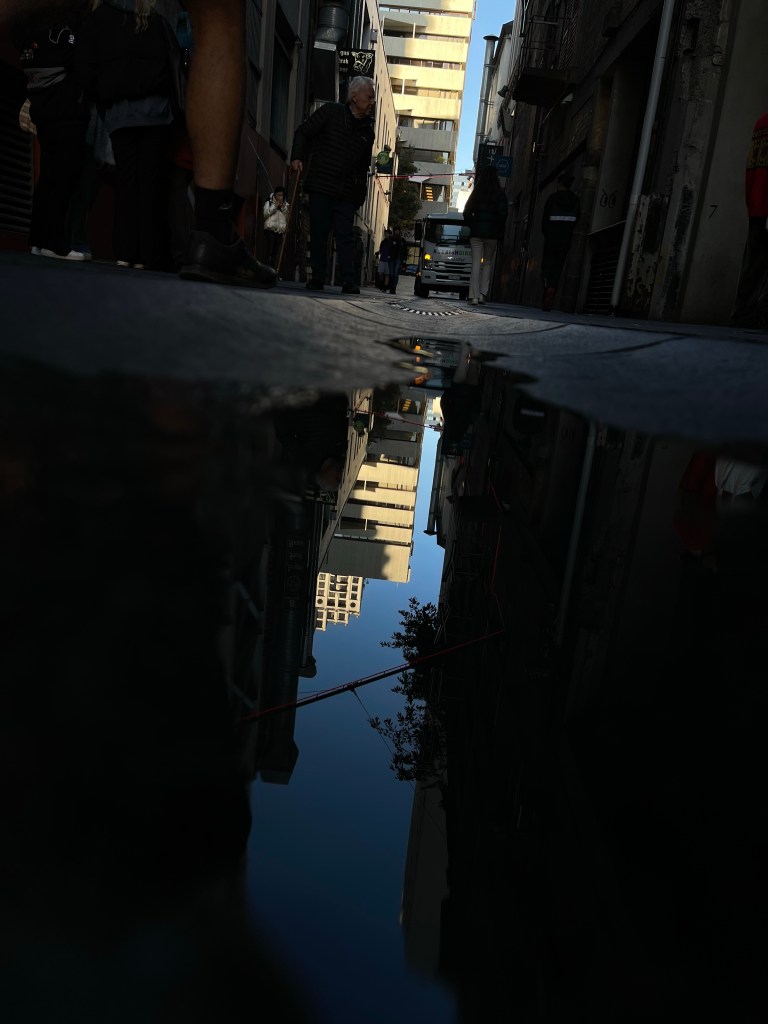
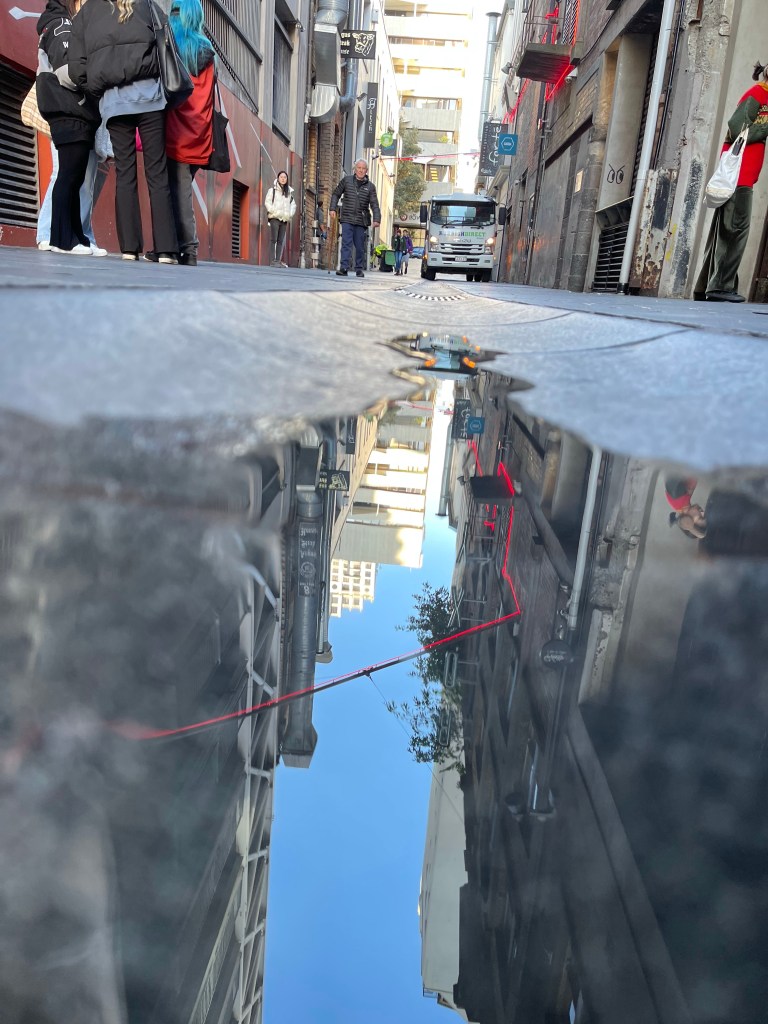
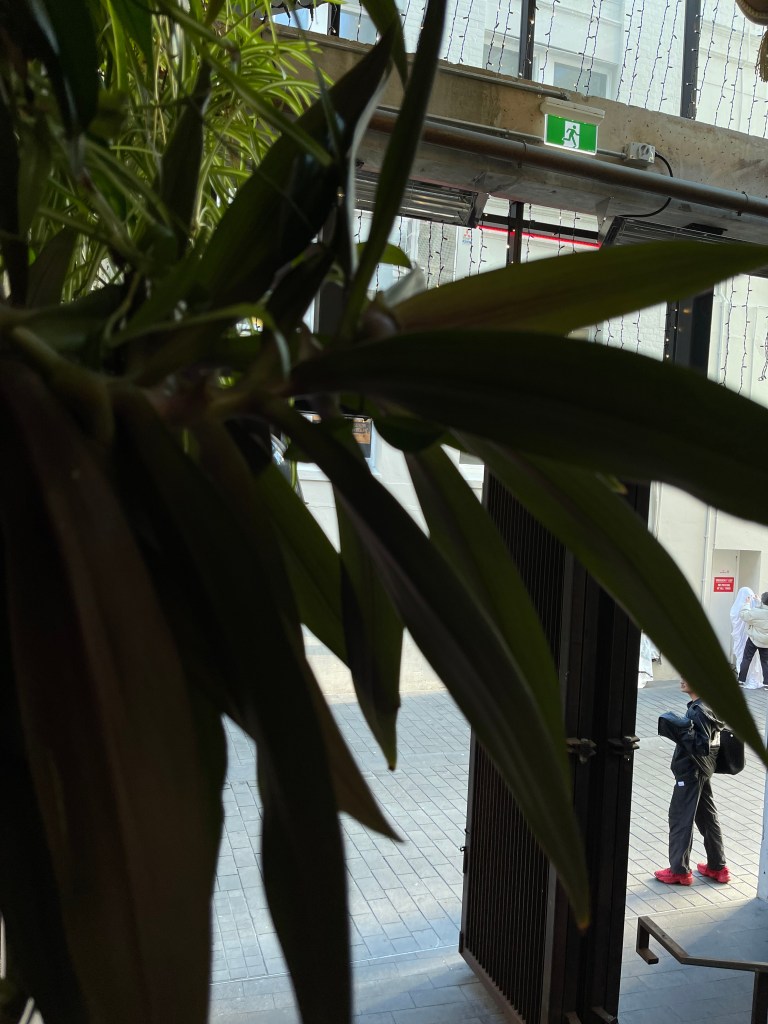
Since i wasn’t allowed to bring my drone i had to change one of my device, my drone device to lens/filters/glass bottle over the camera inspired by kaleidoscope, where it shows multiples of colors. Another device that was inspired by kaleidoscope and mirrored room is using the mirror/water reflection to take a reflection of the site
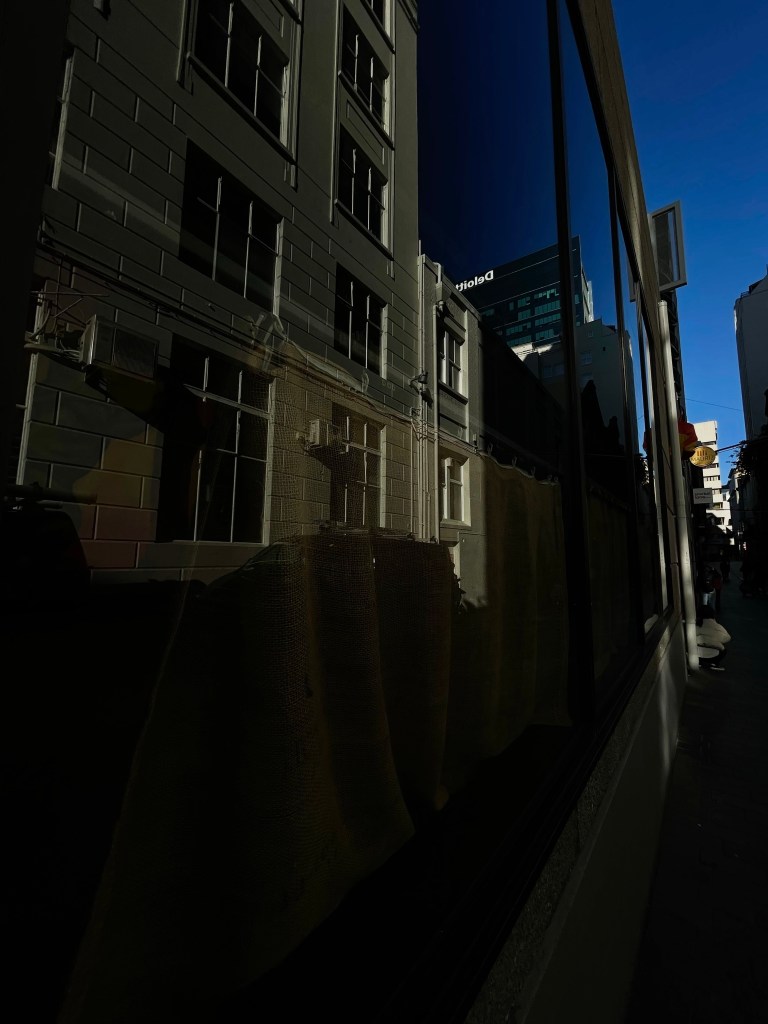

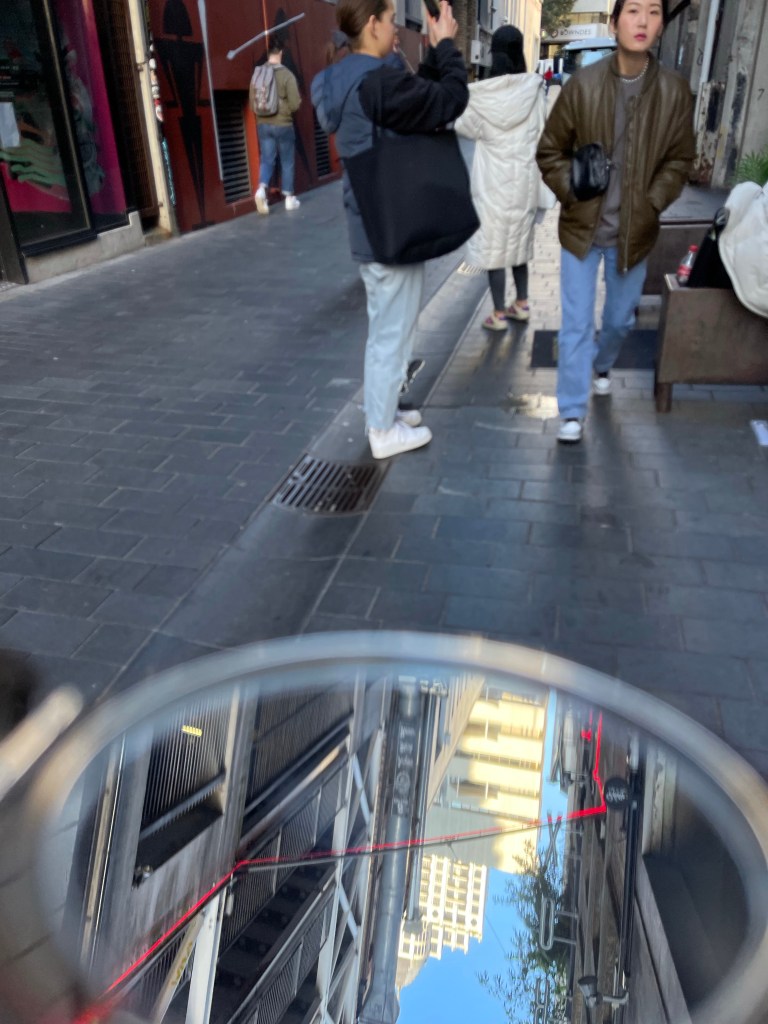
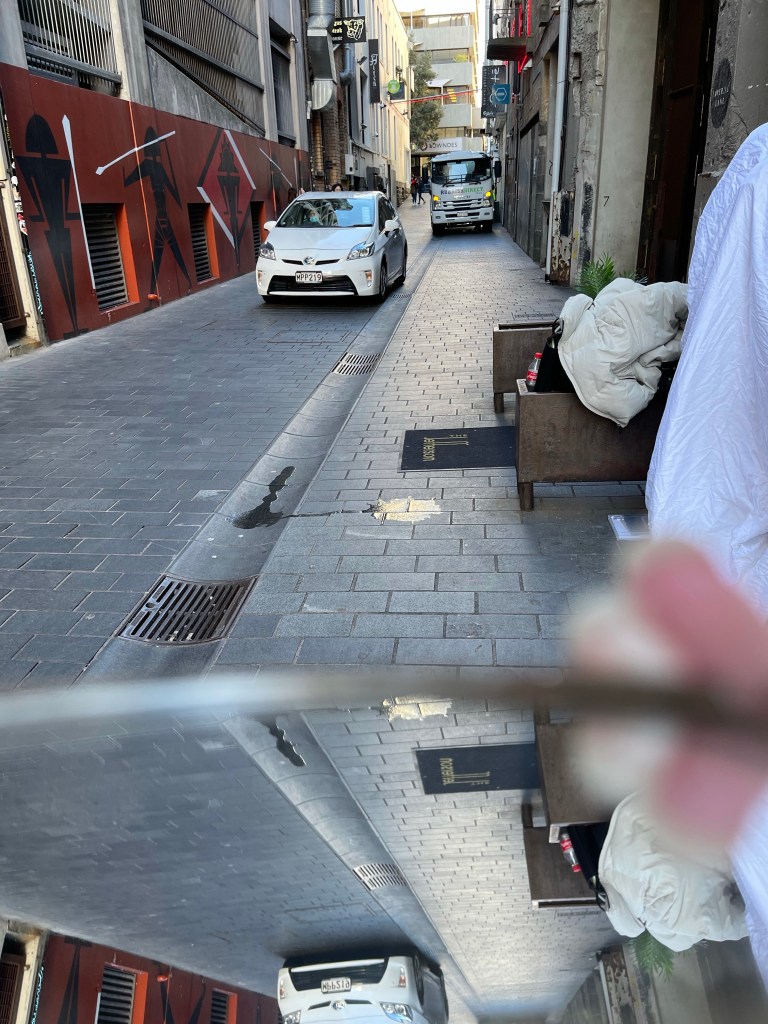
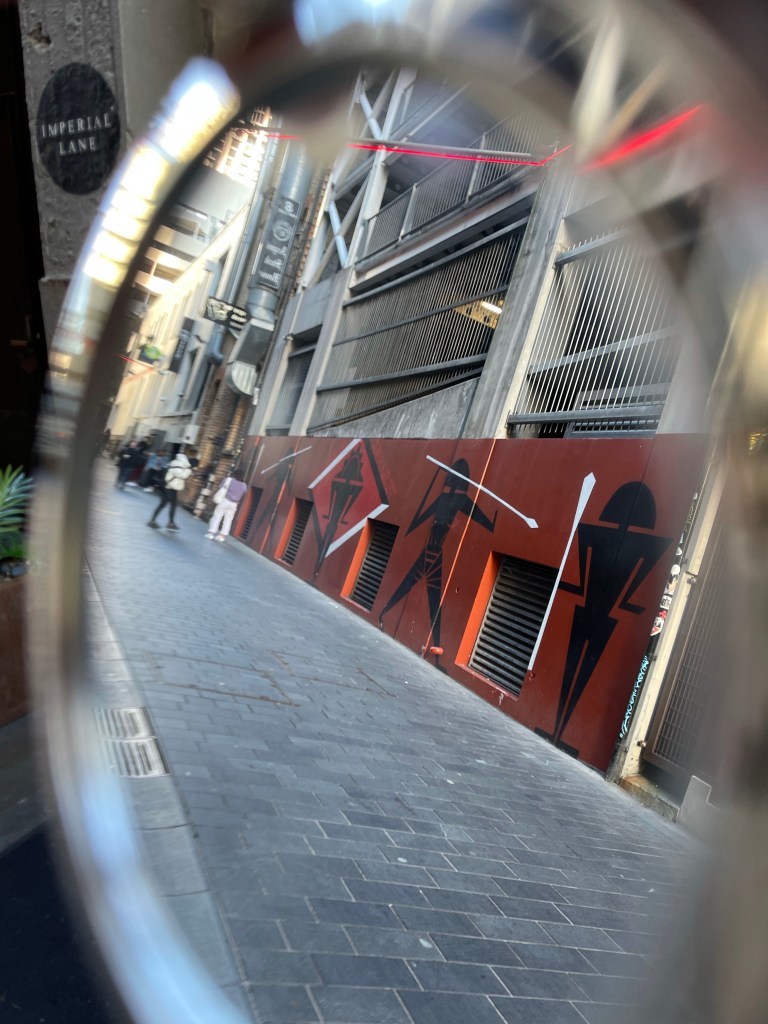
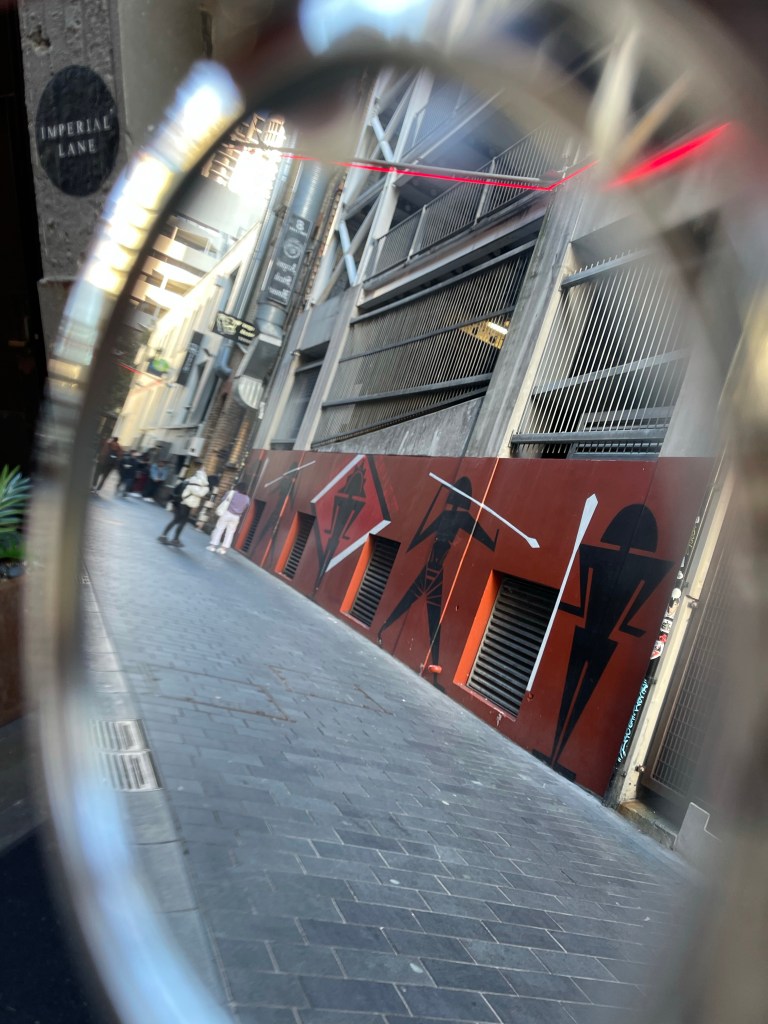

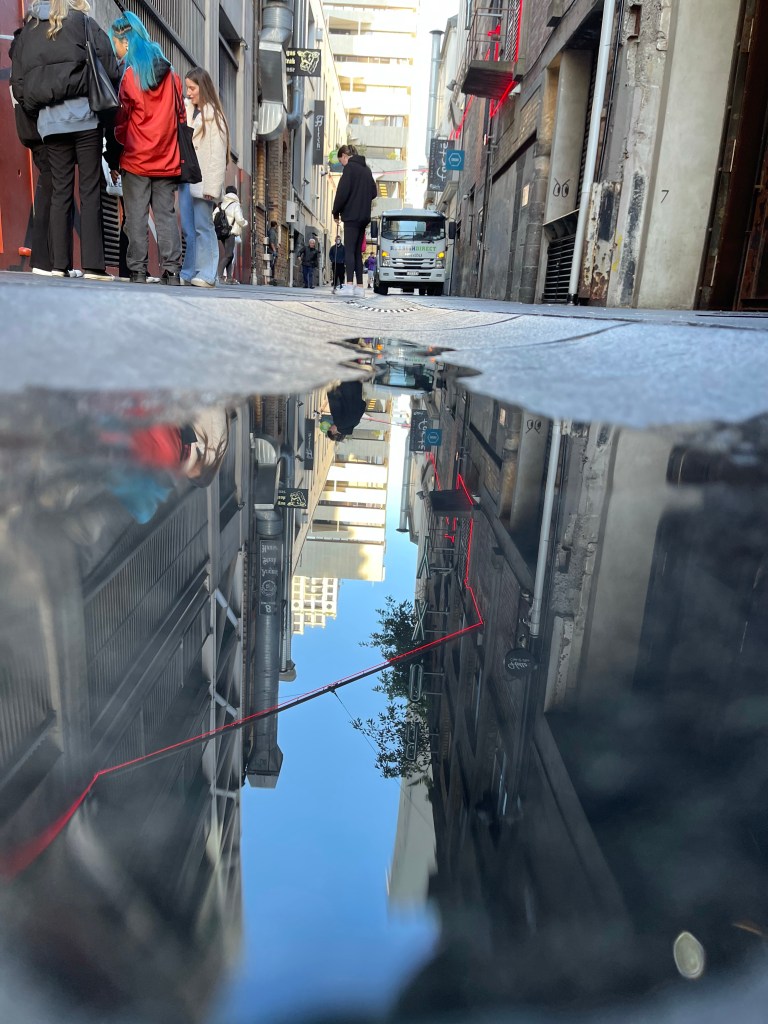
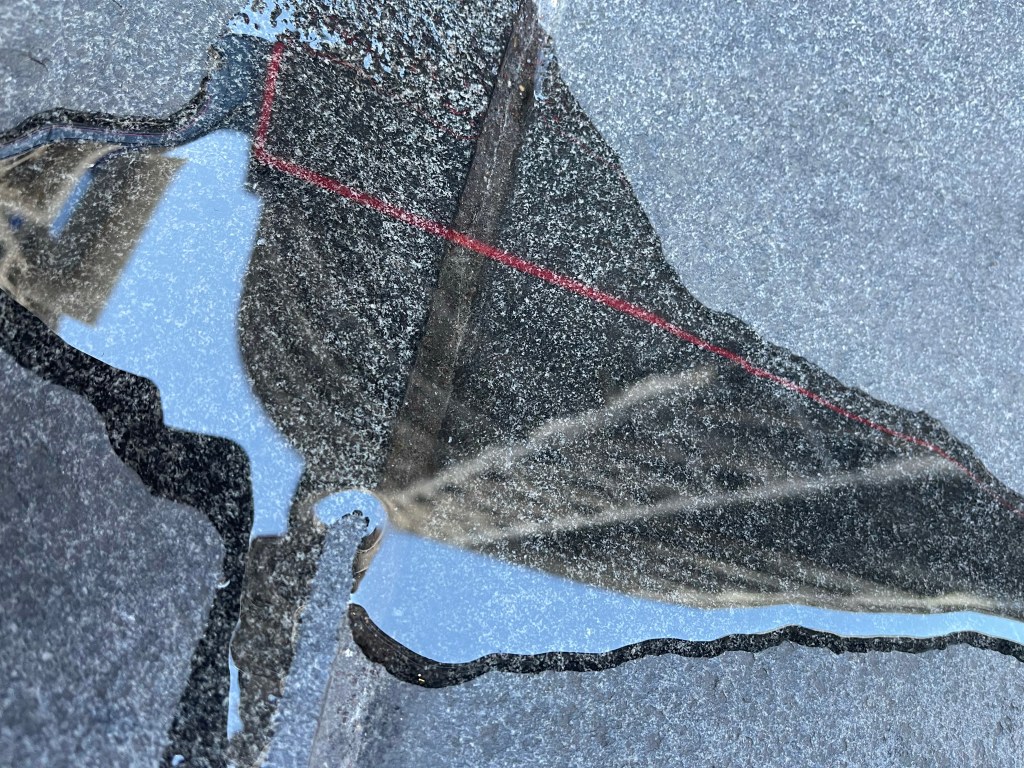
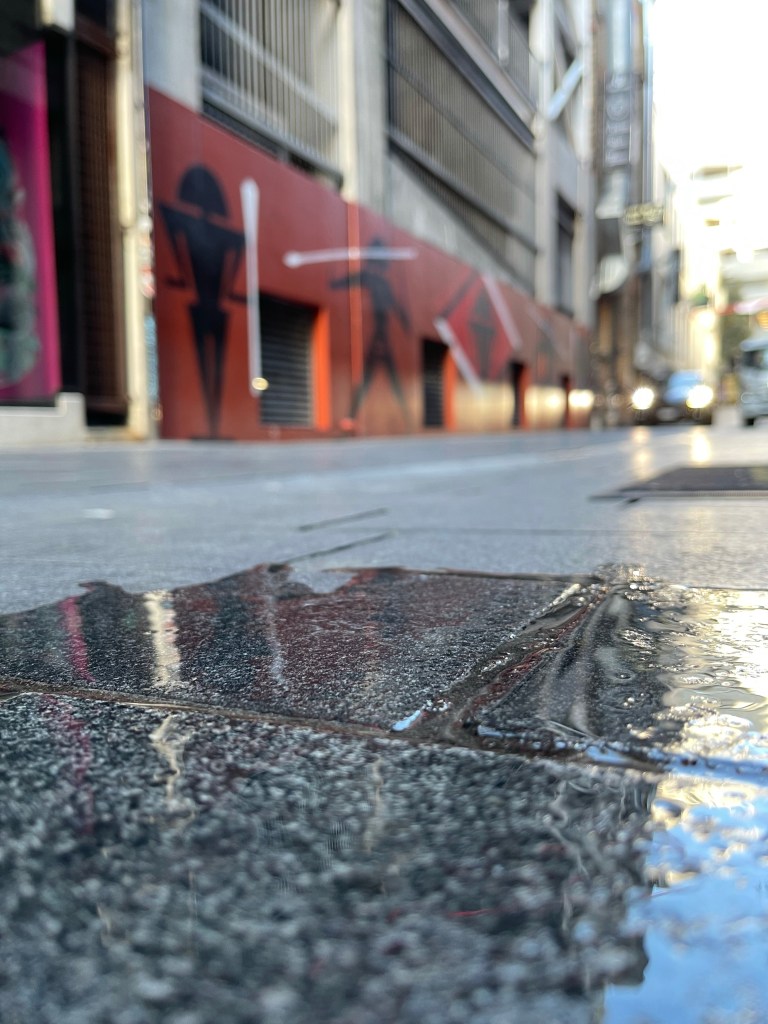
Track and dolly inspired
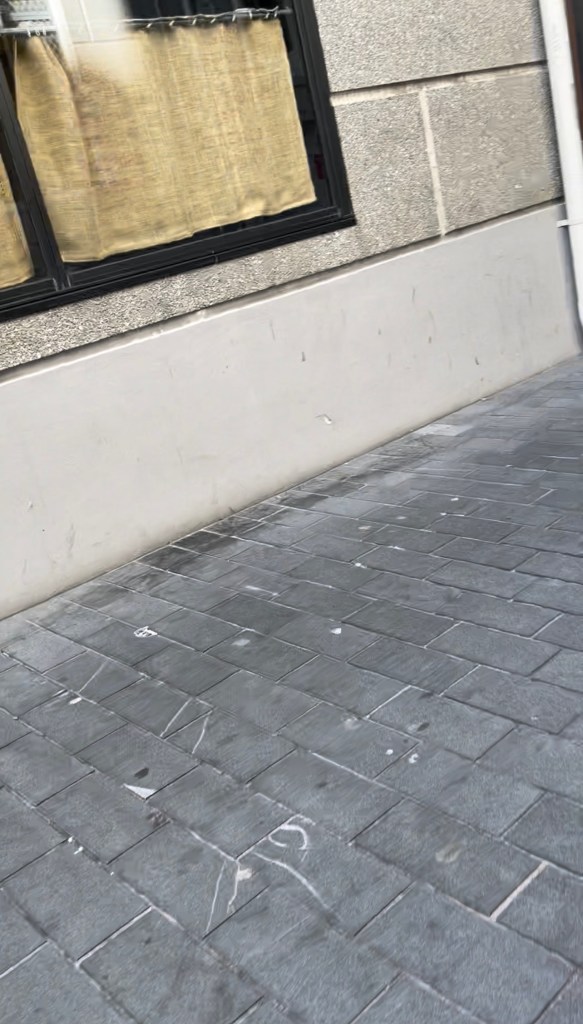
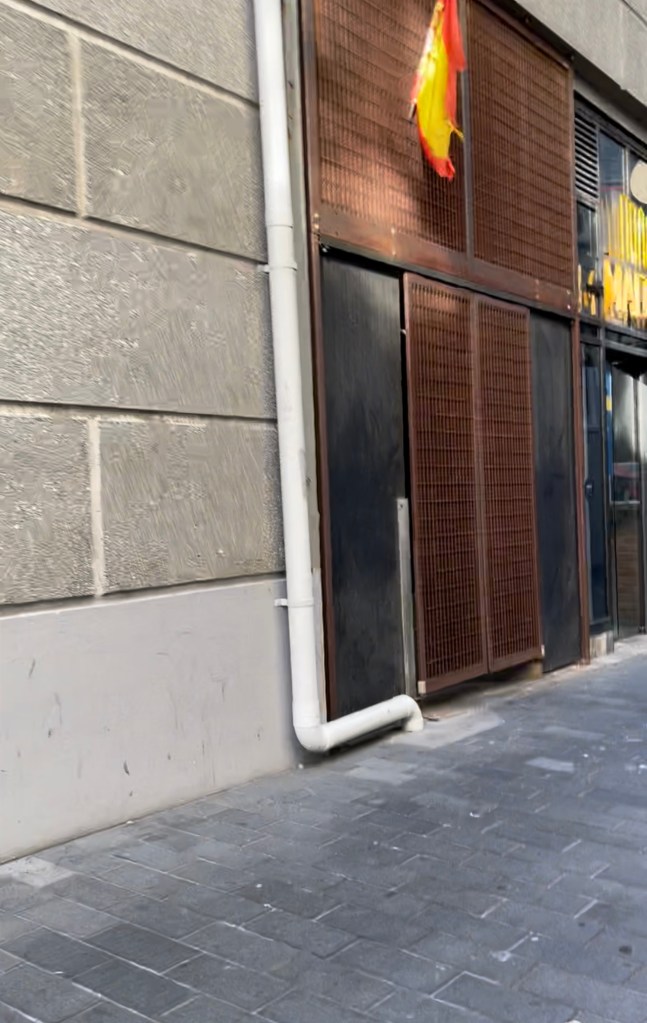
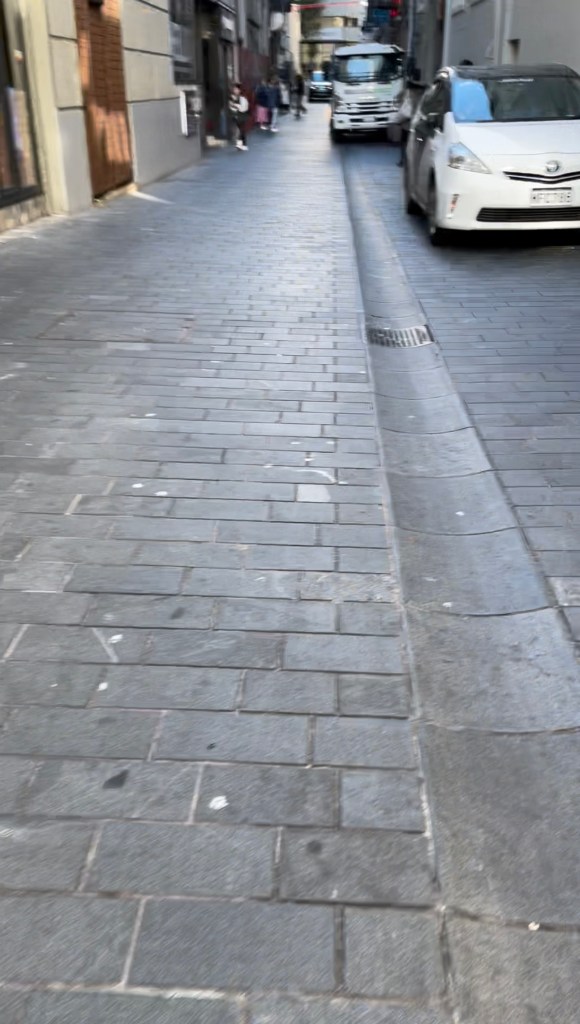
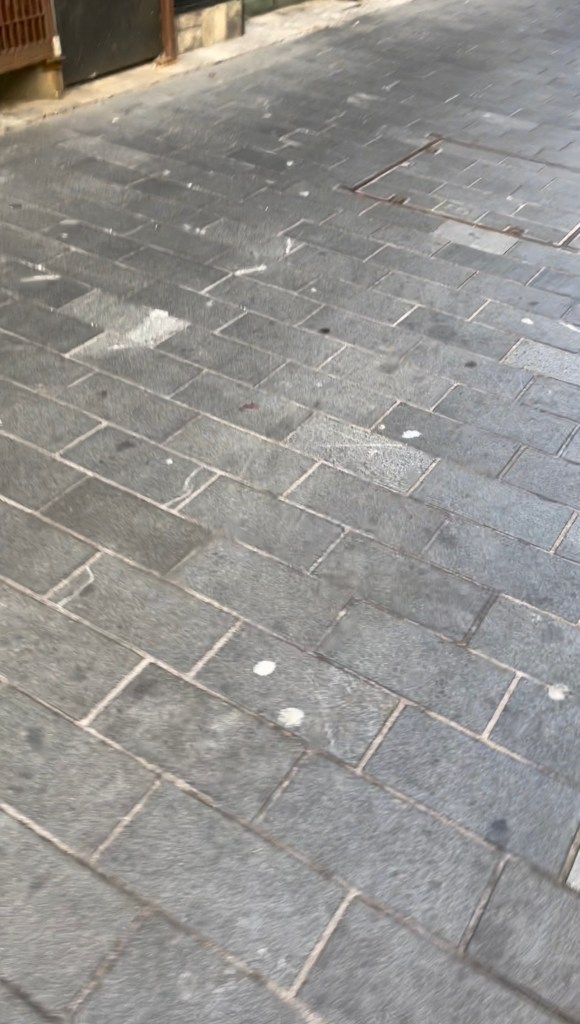
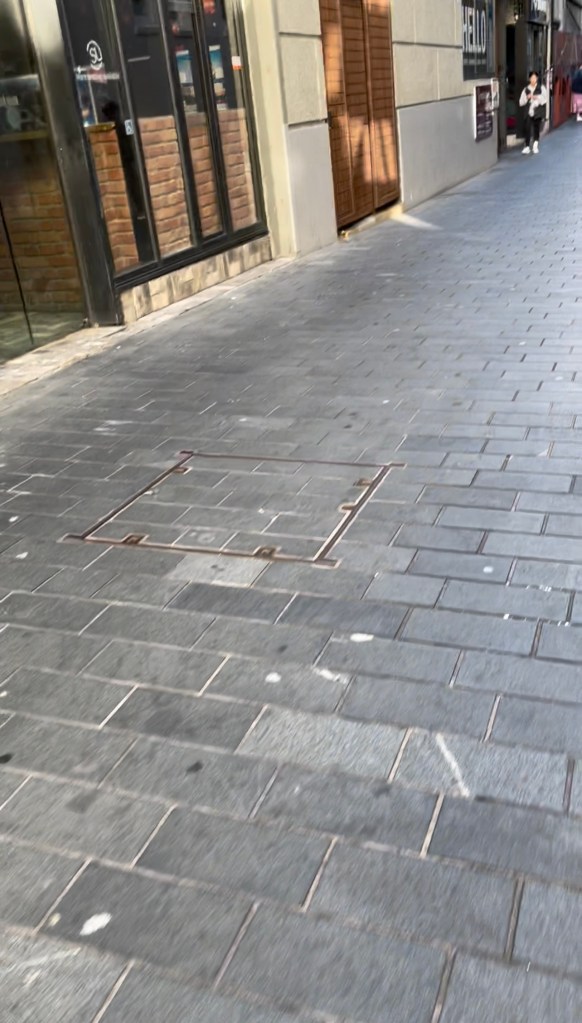
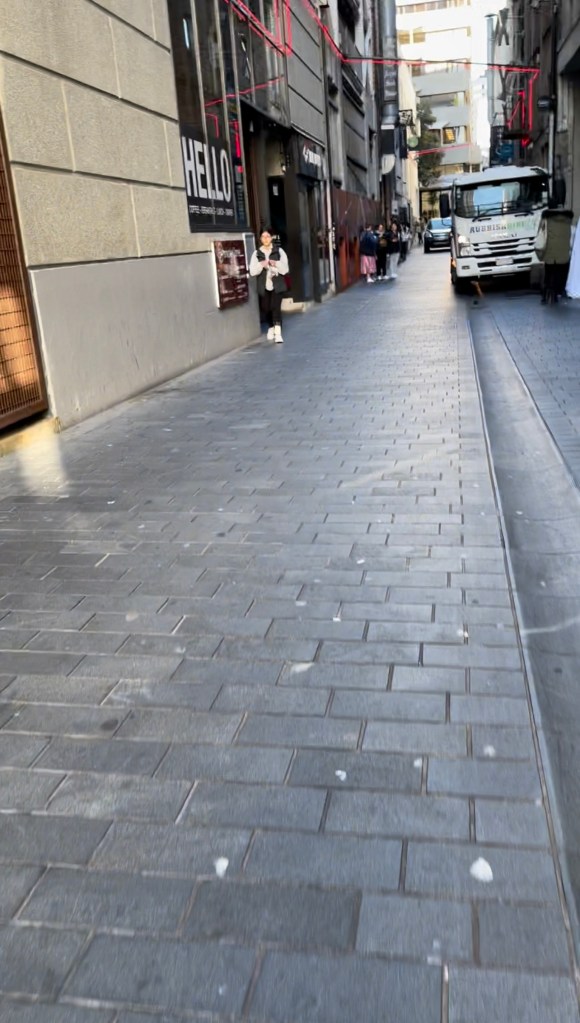
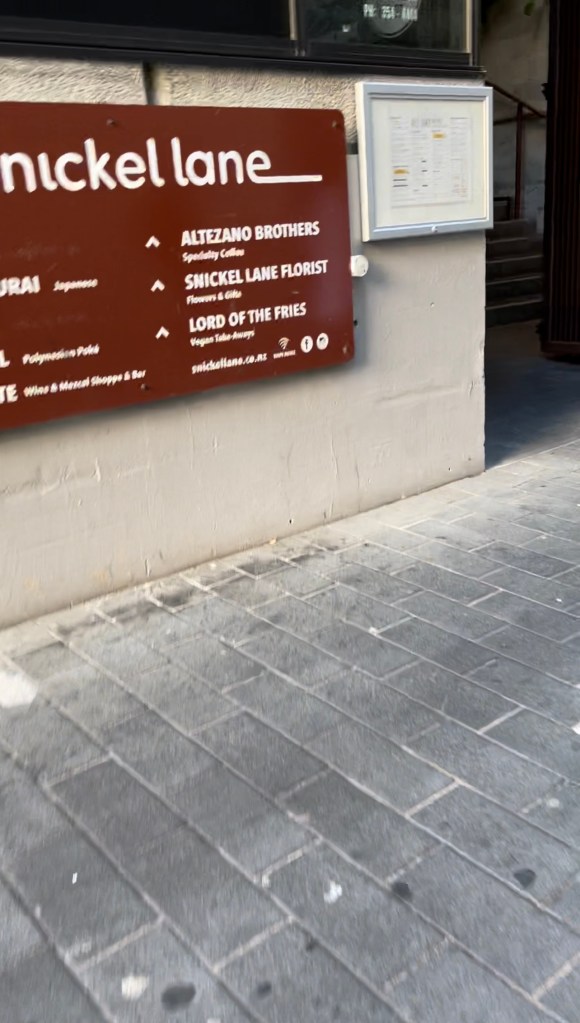
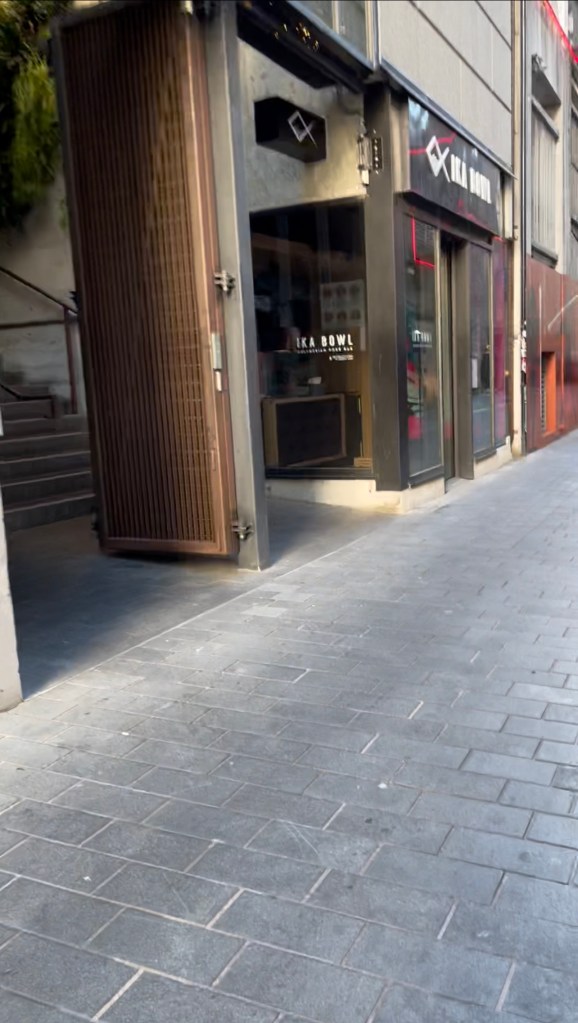
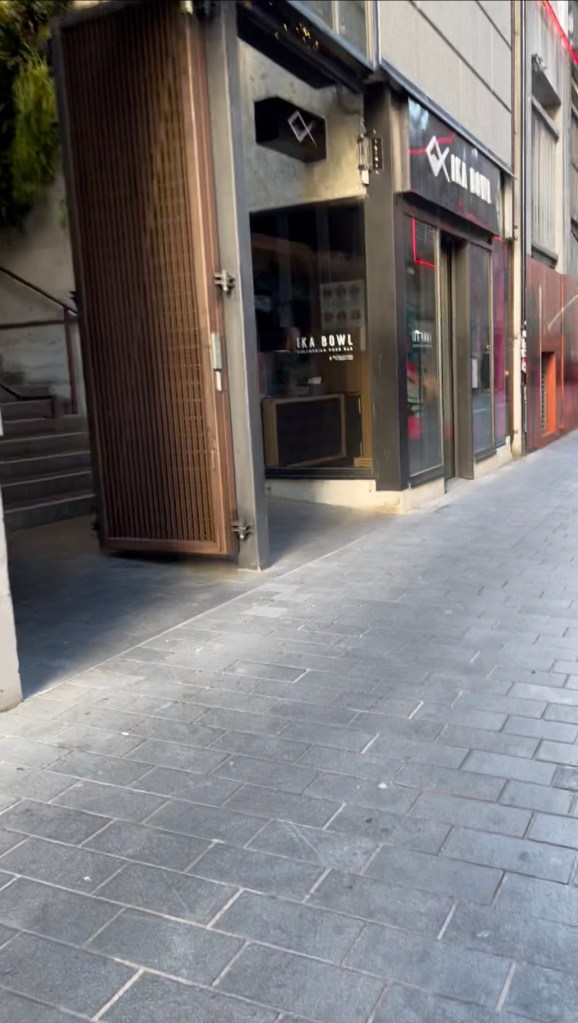
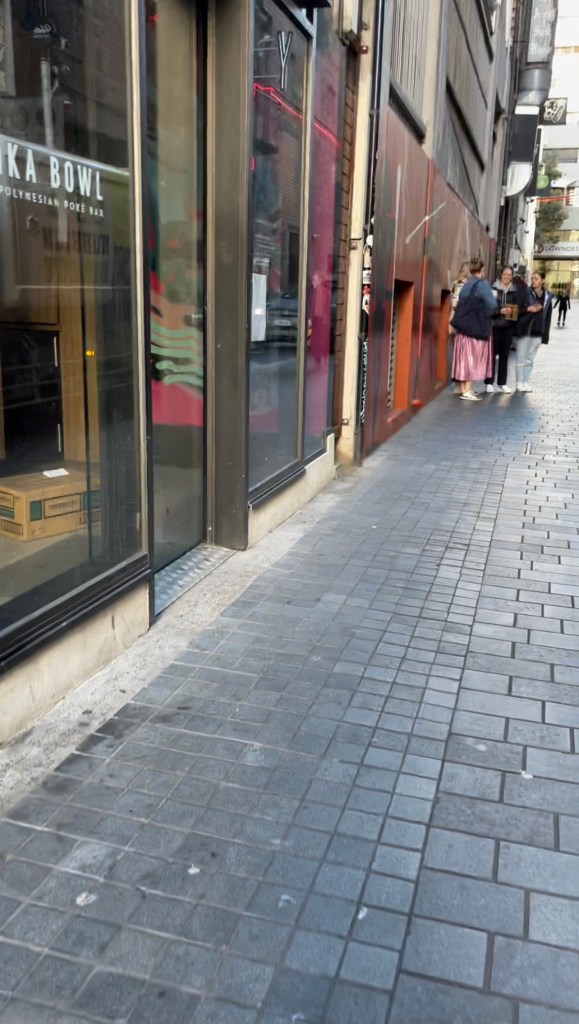
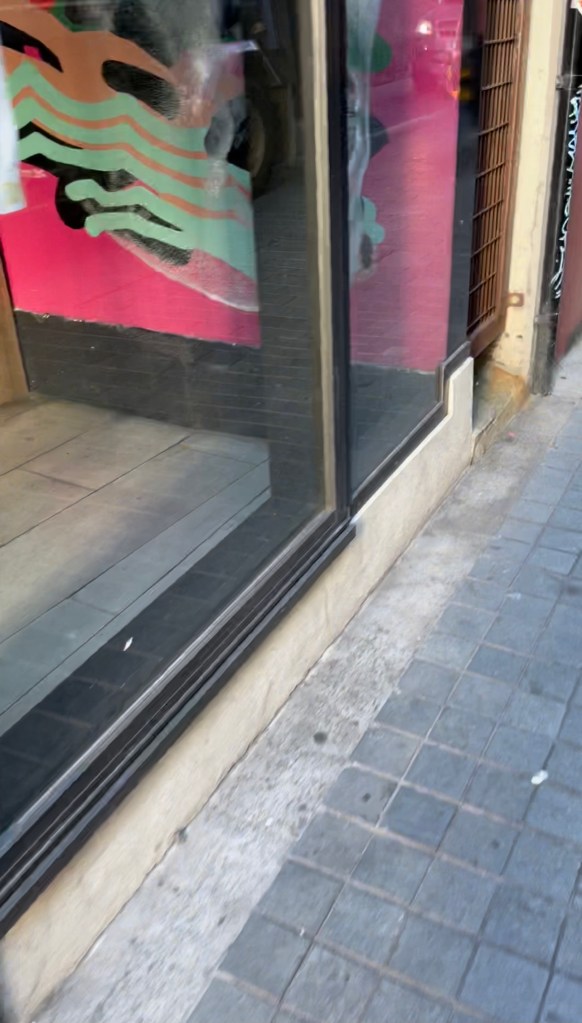
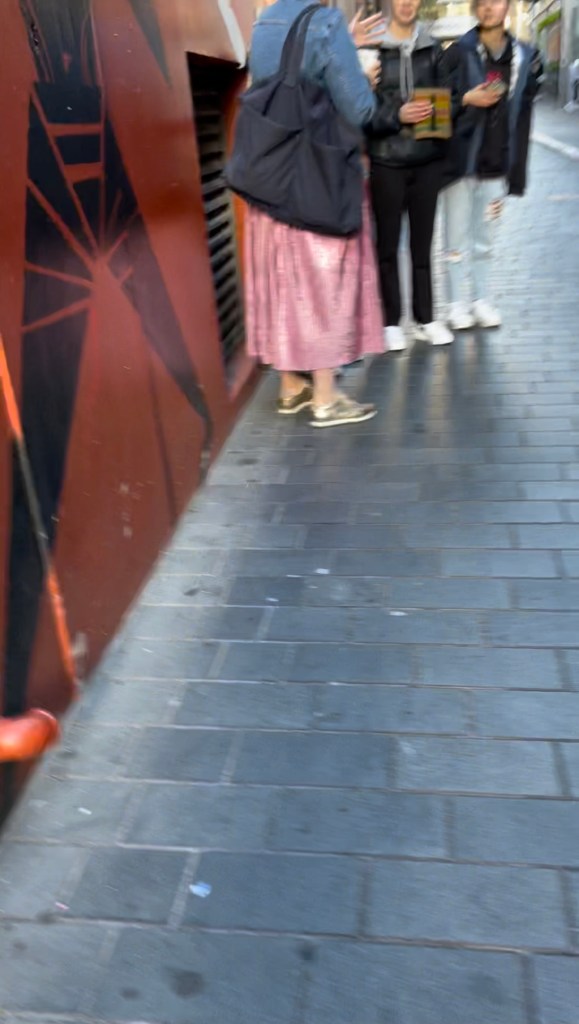
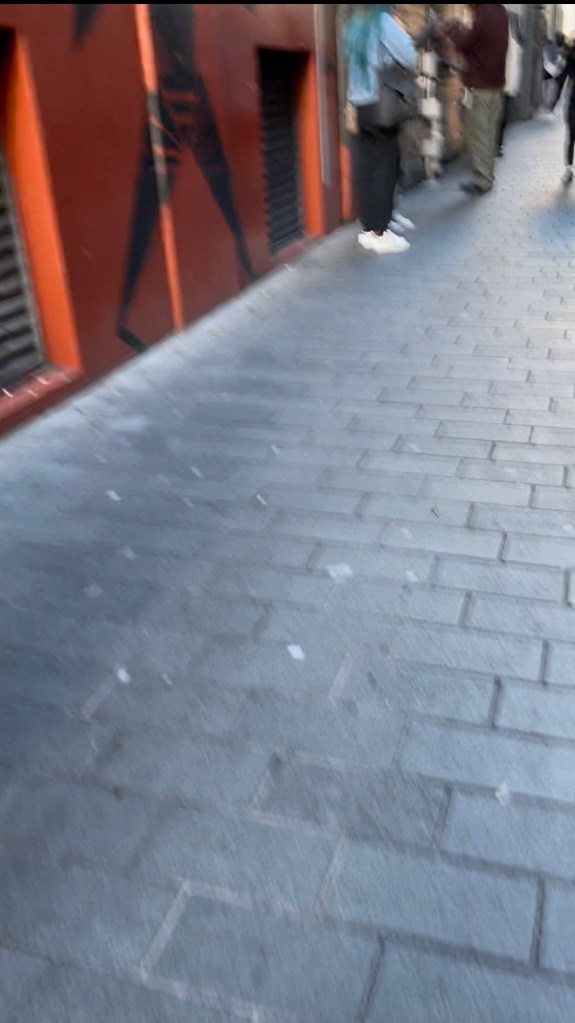
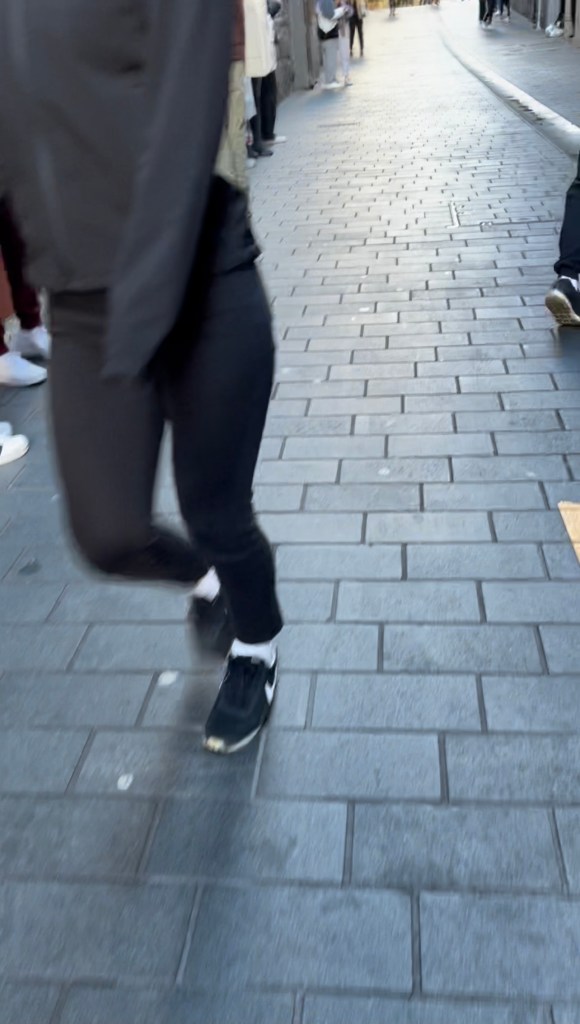
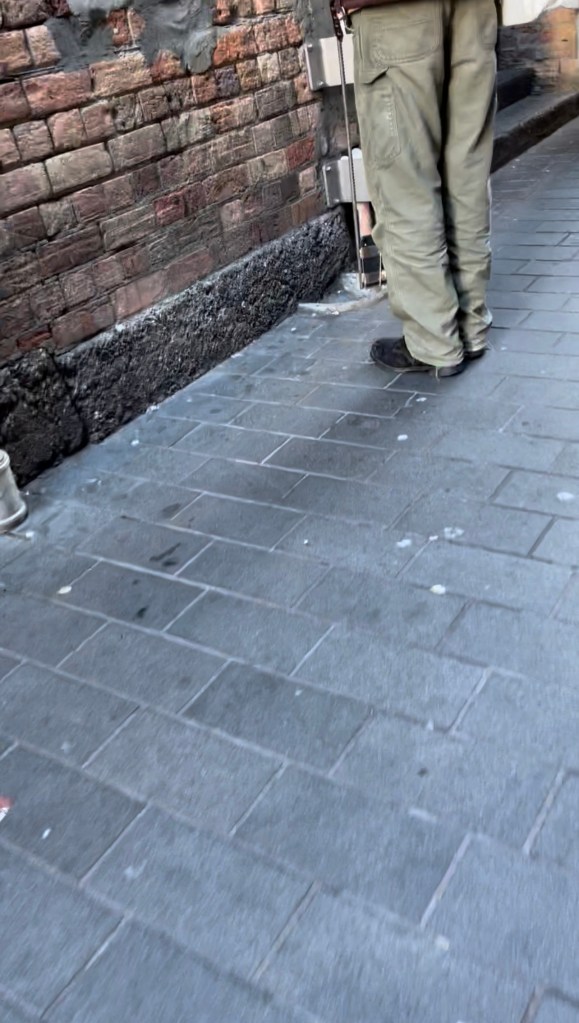
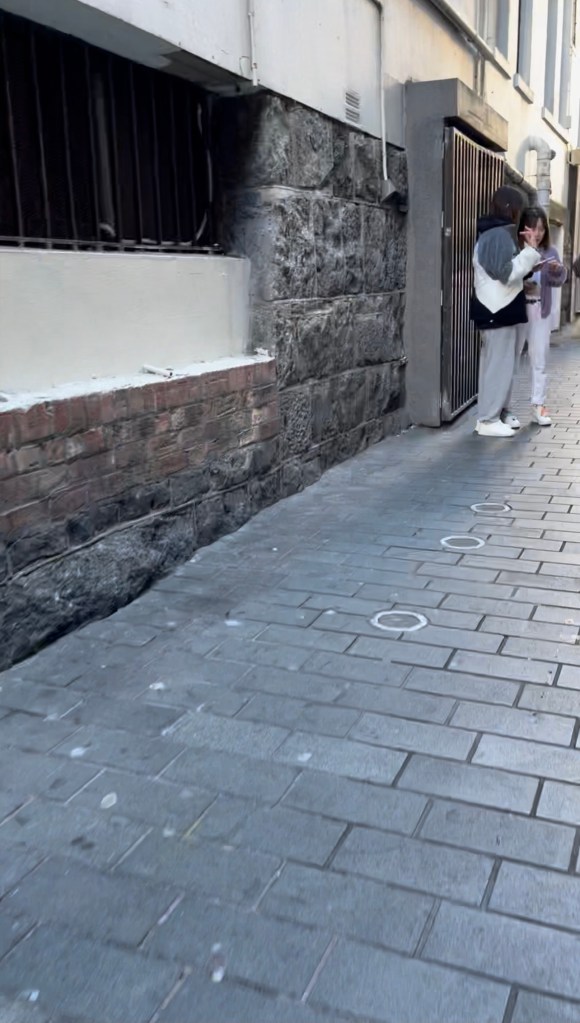
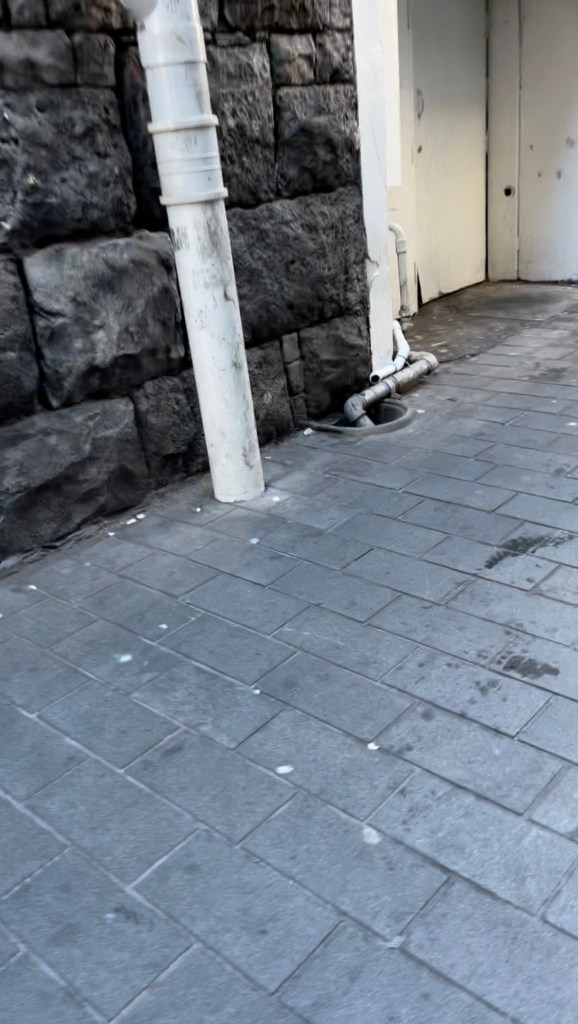
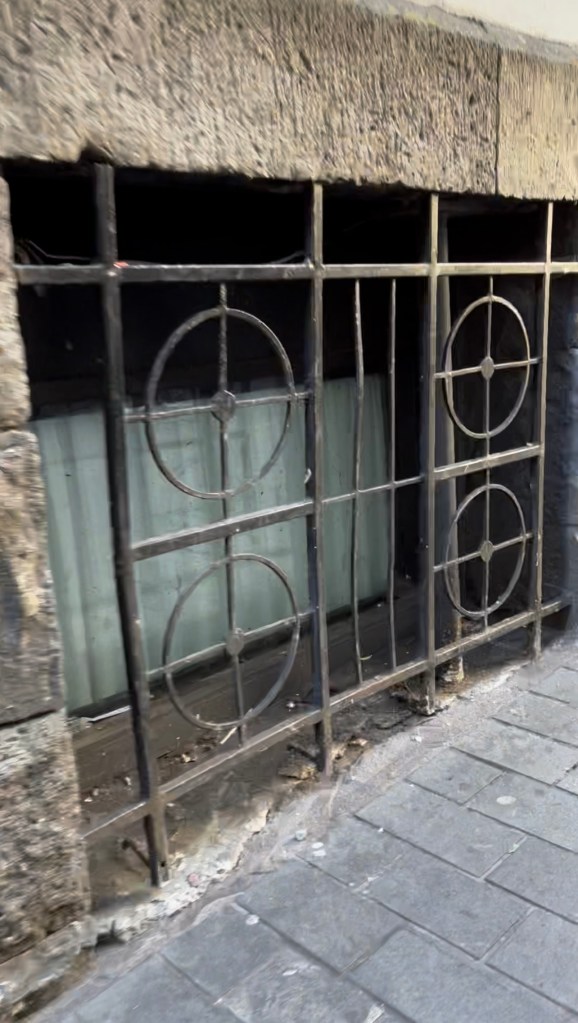
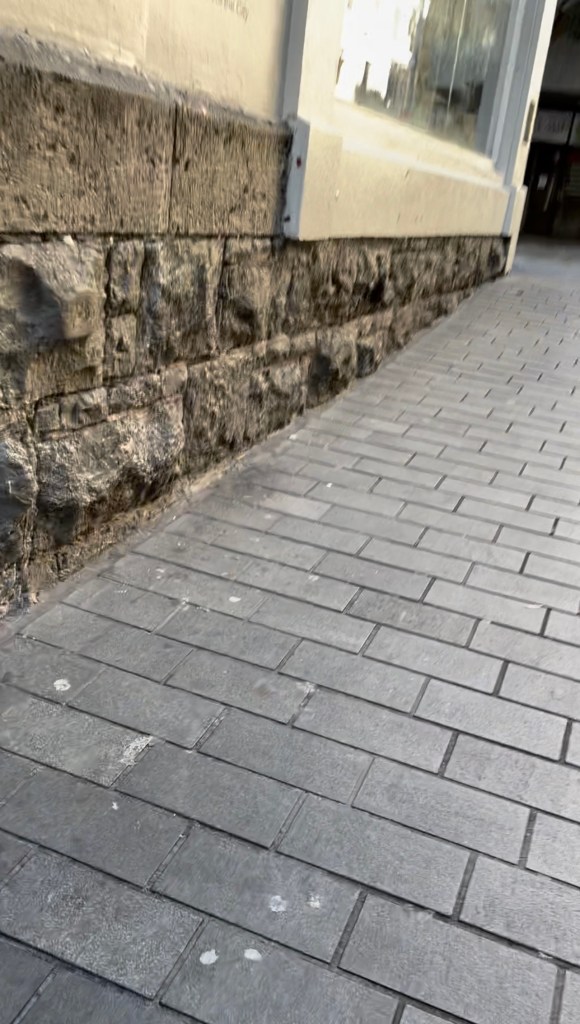
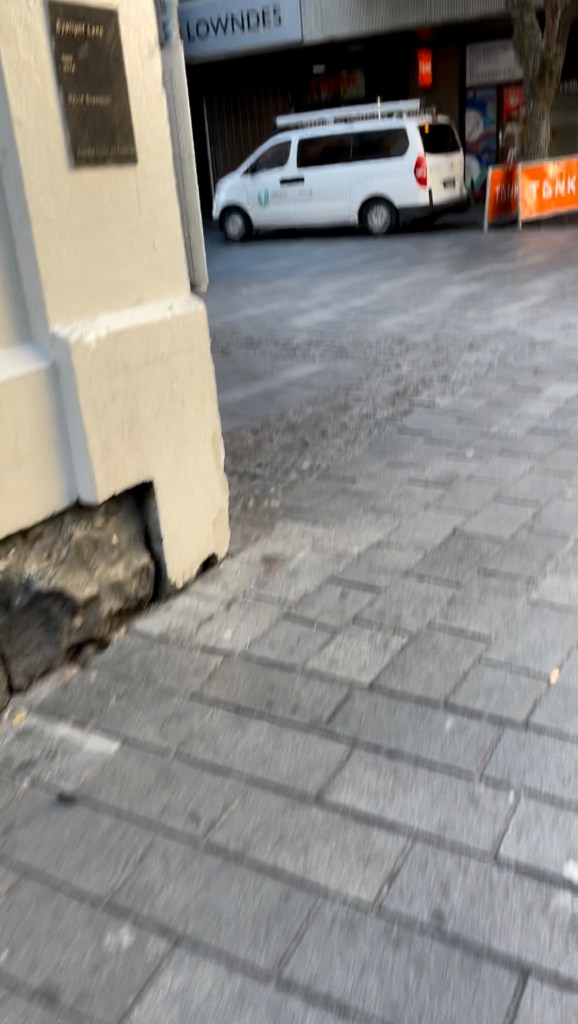
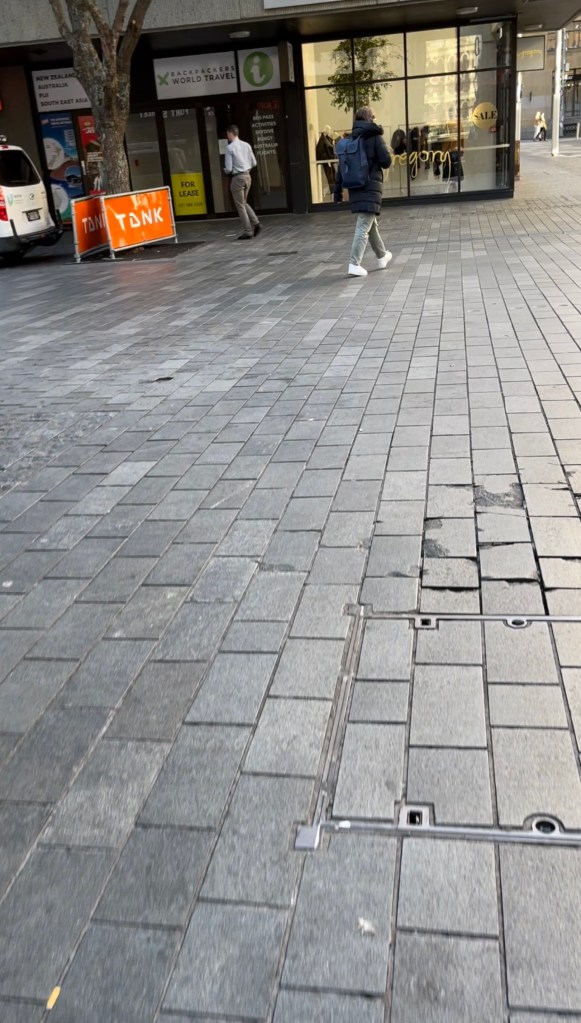
For the dolly and track device, to improvise with what i got i decided on holding my camera and walk straight along the site while i’m taking a photo, the track being my arms
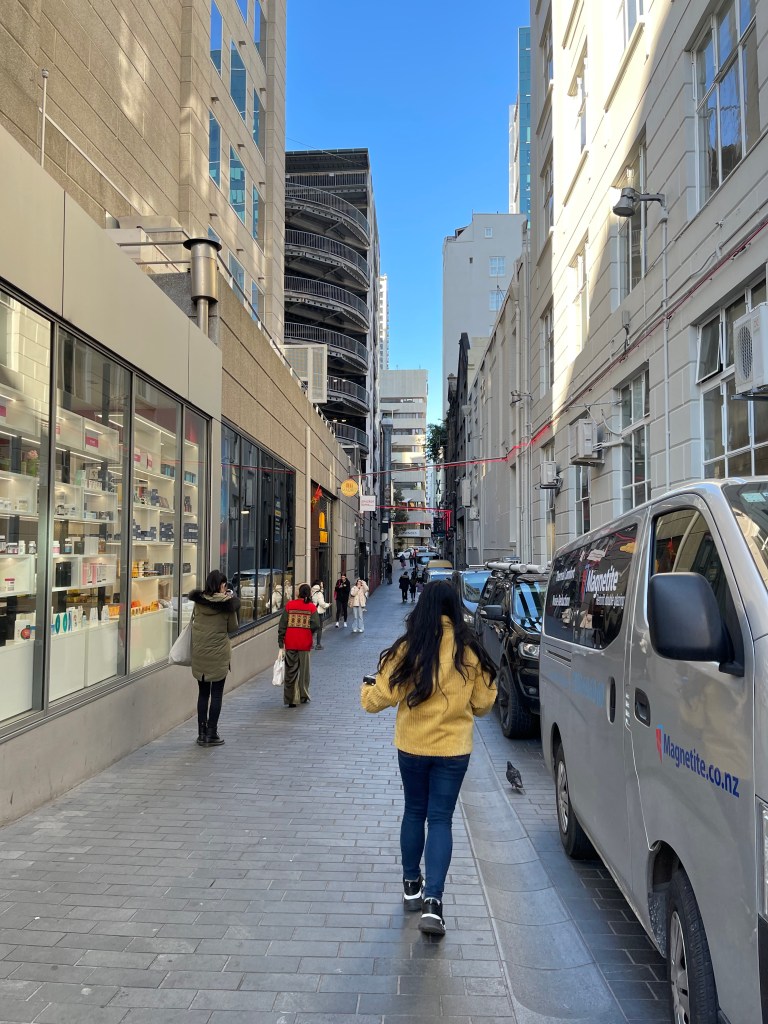



Further observation
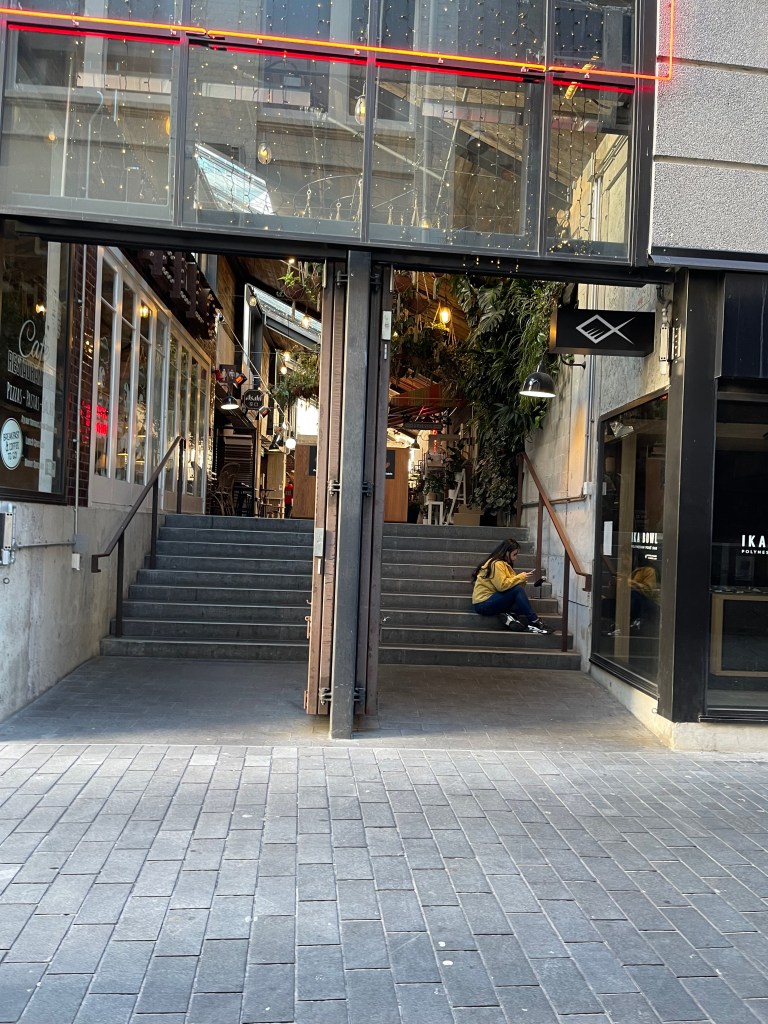


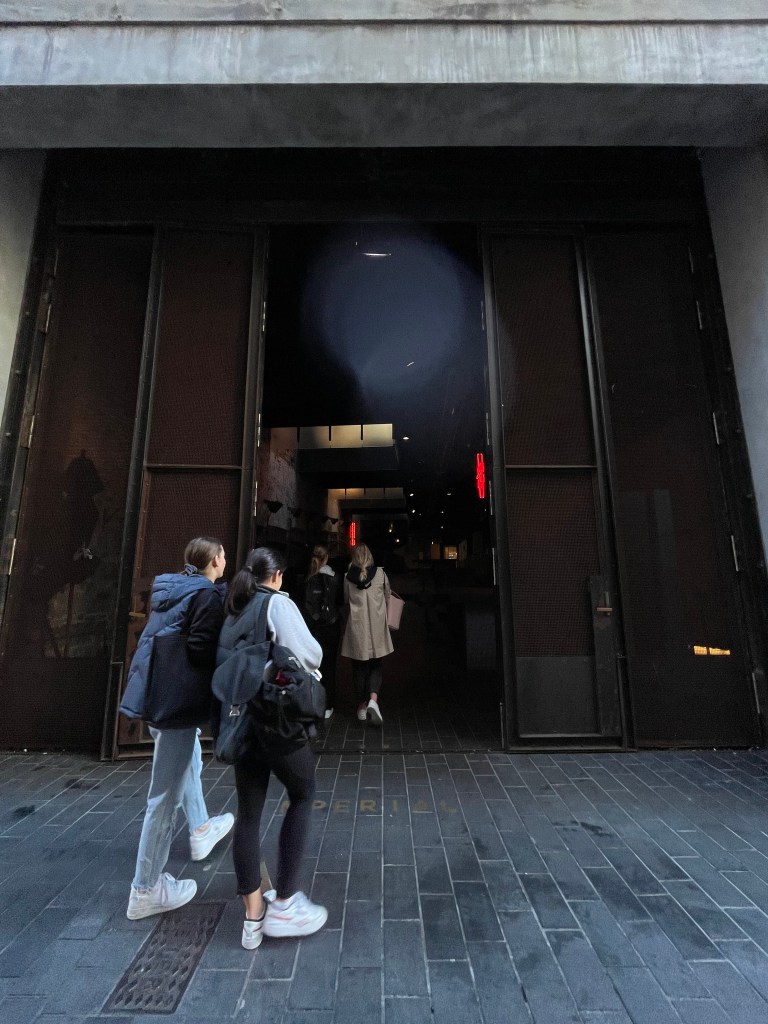

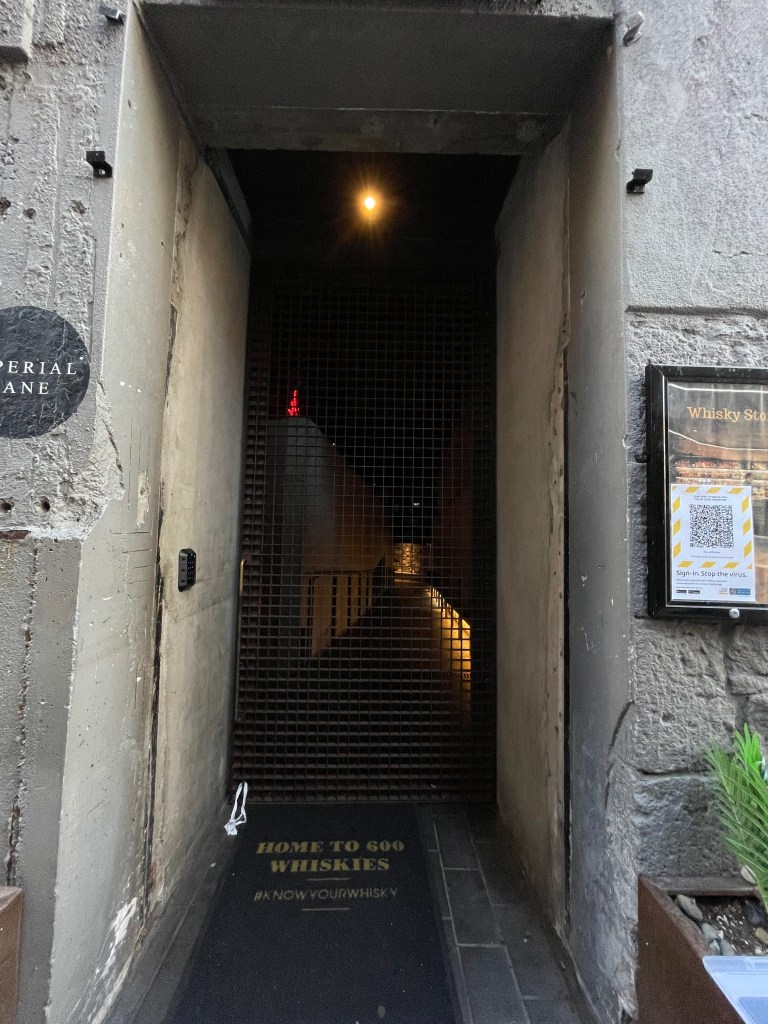
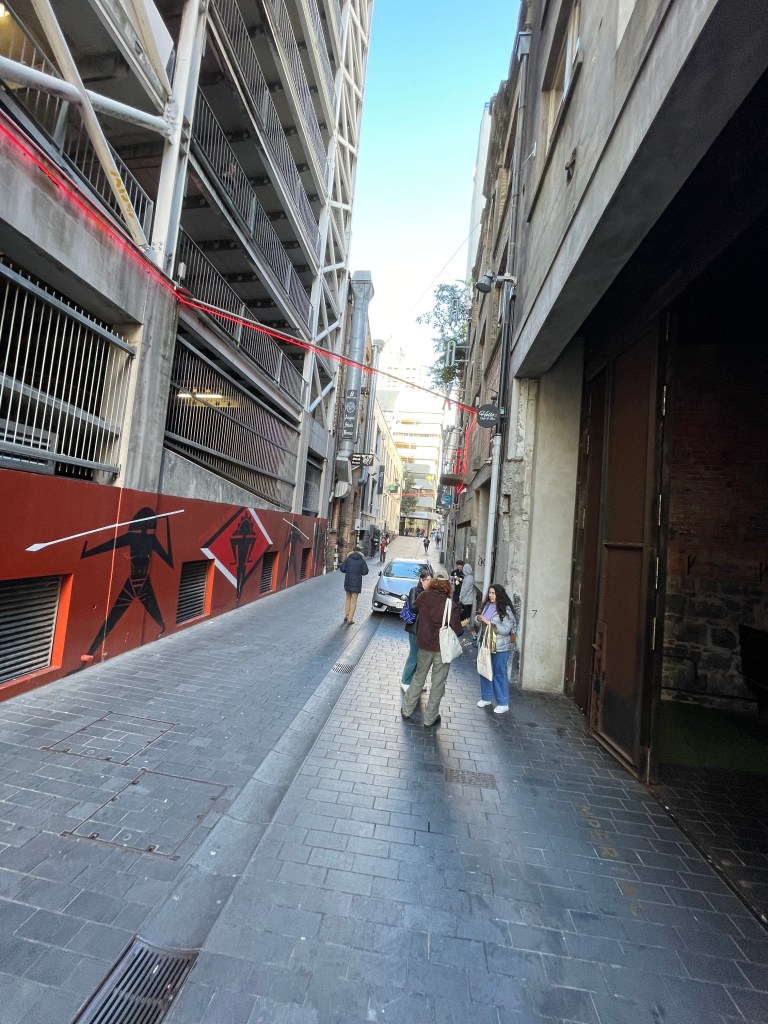
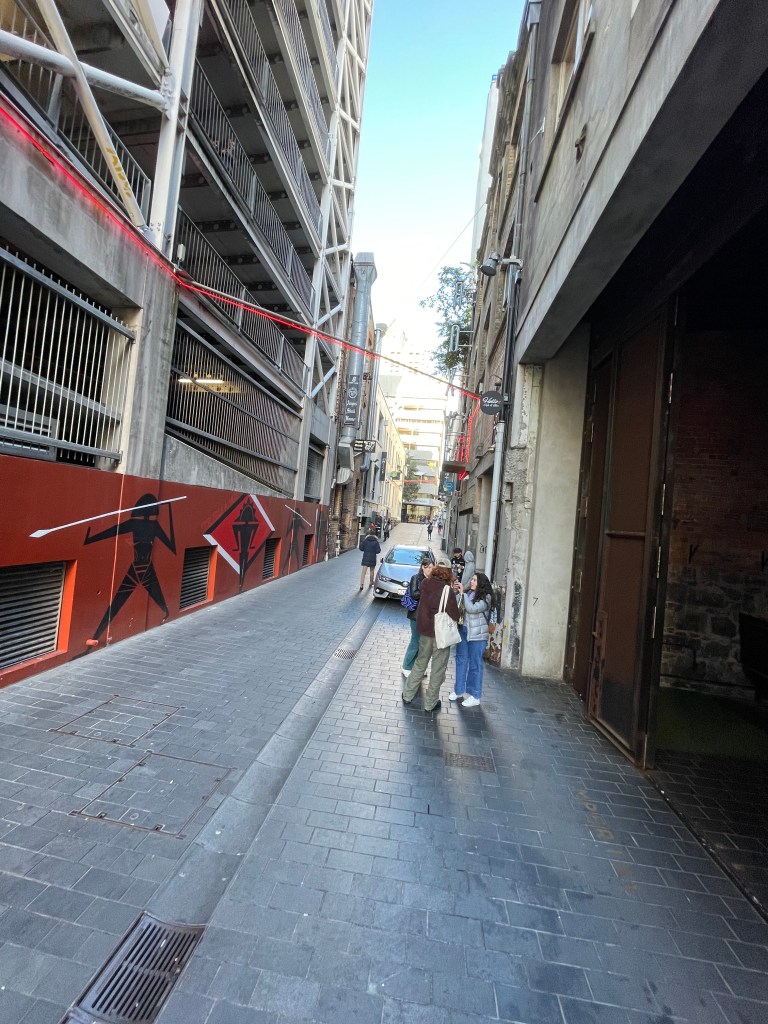
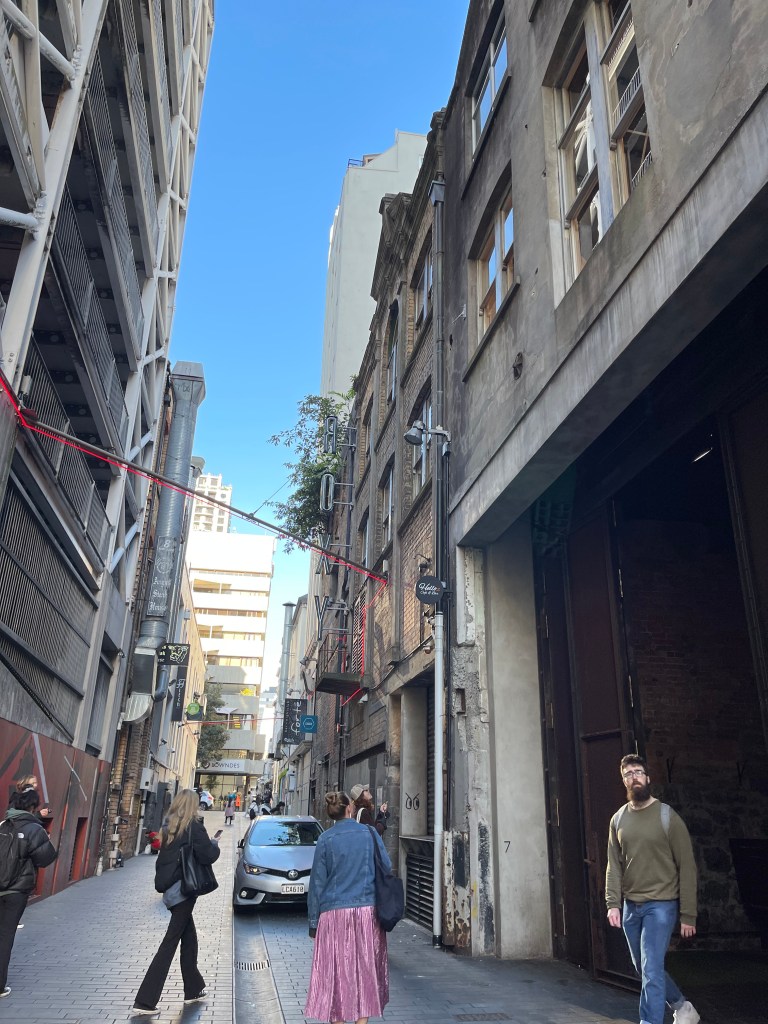
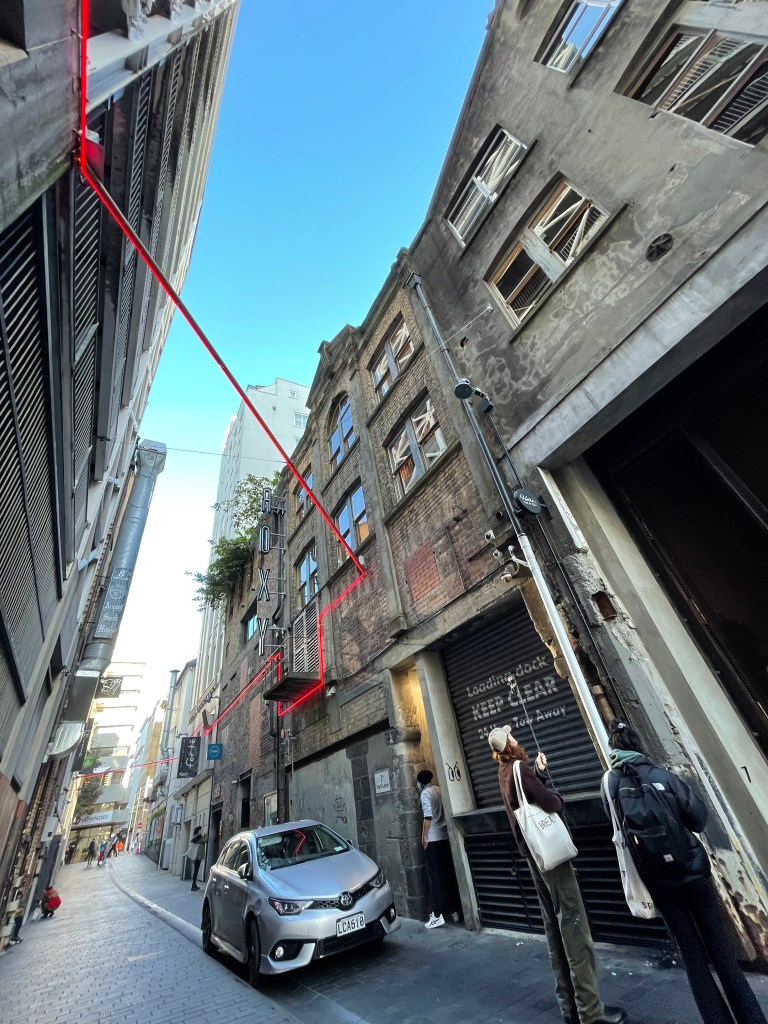
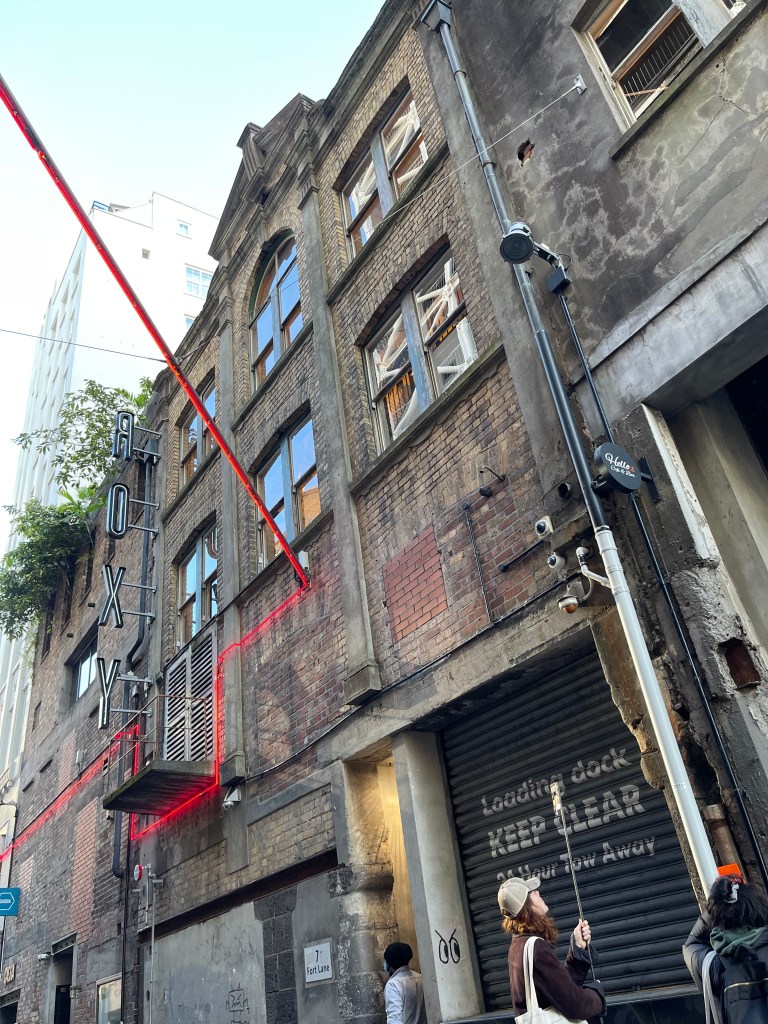
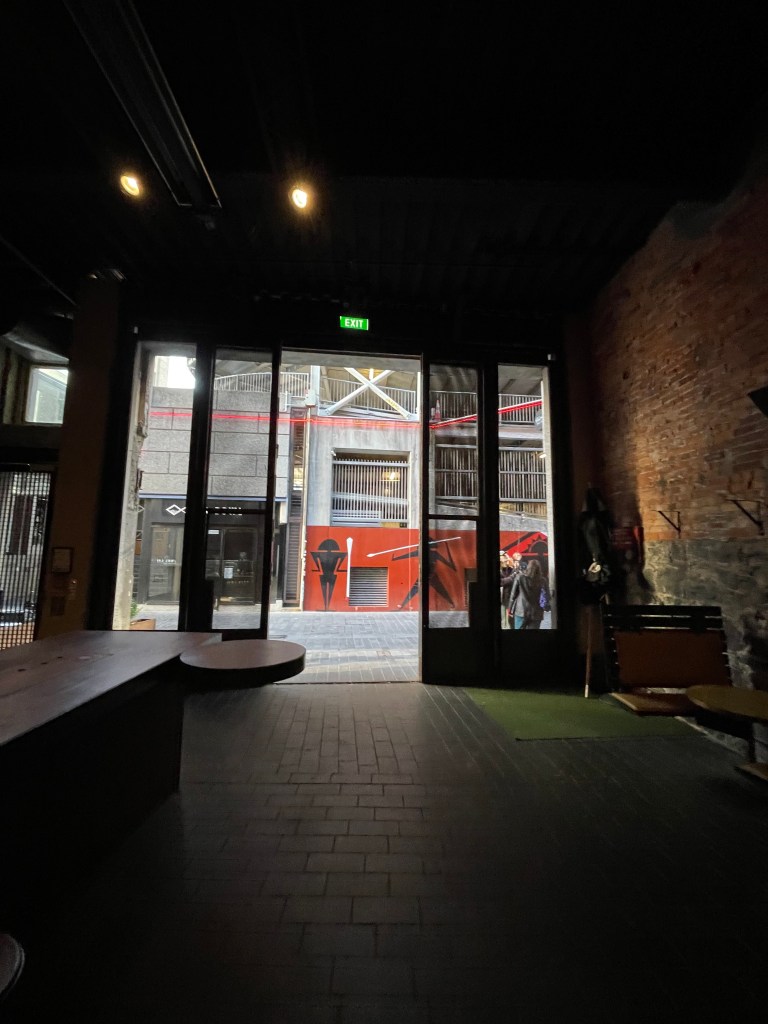
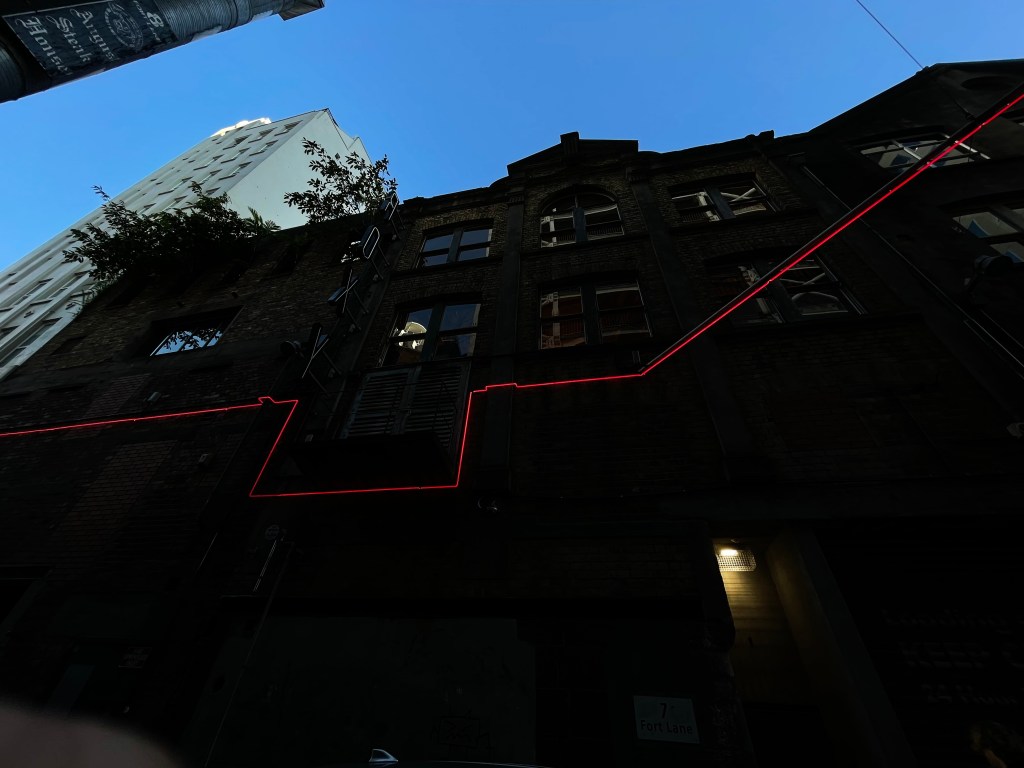
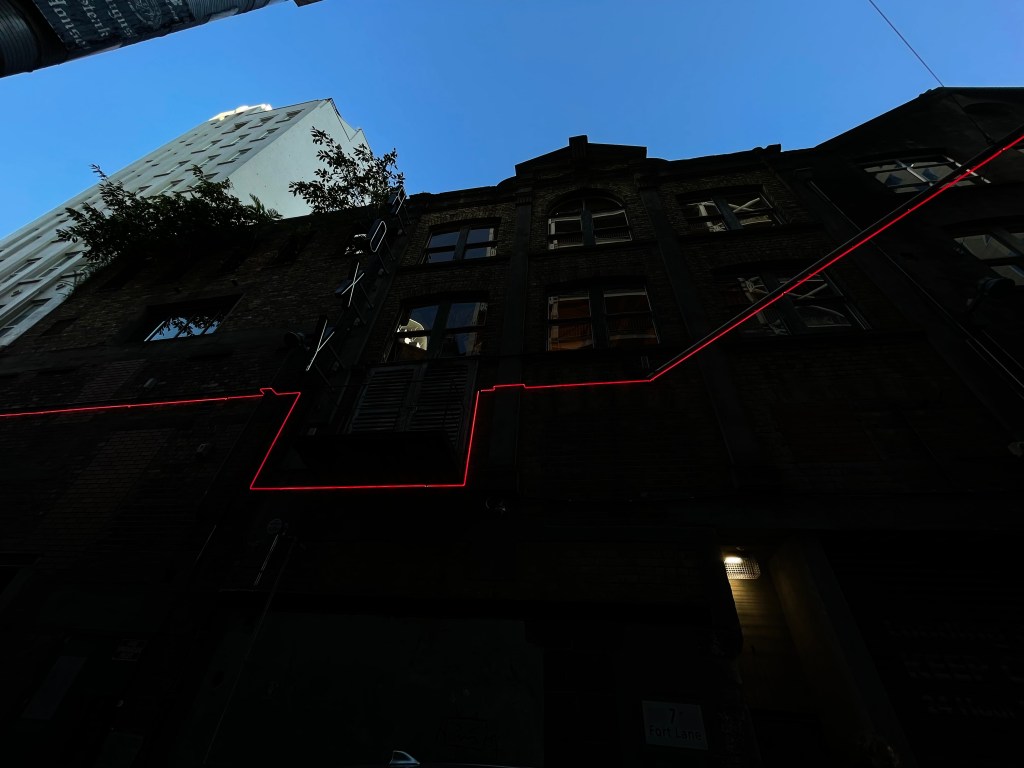
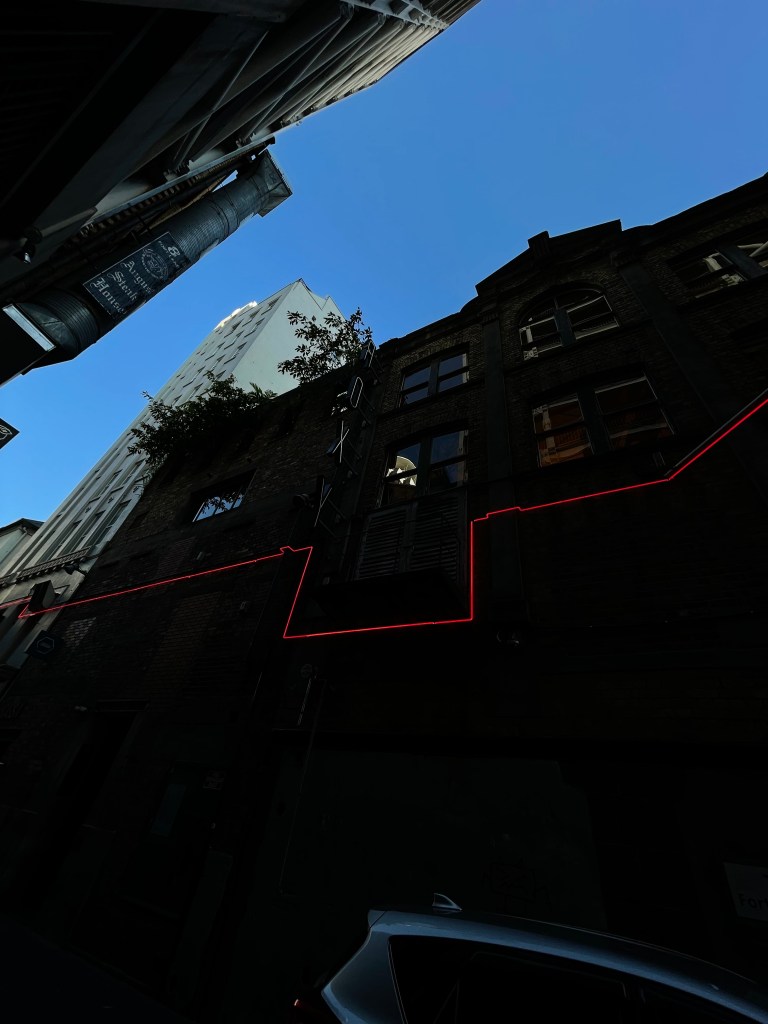
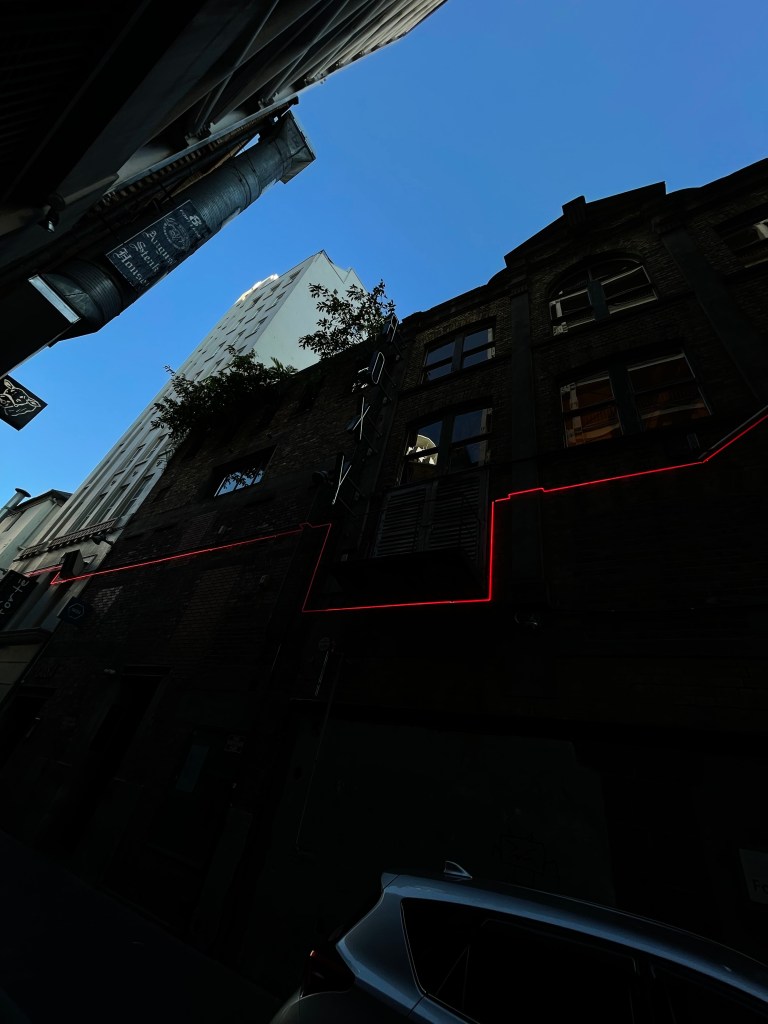
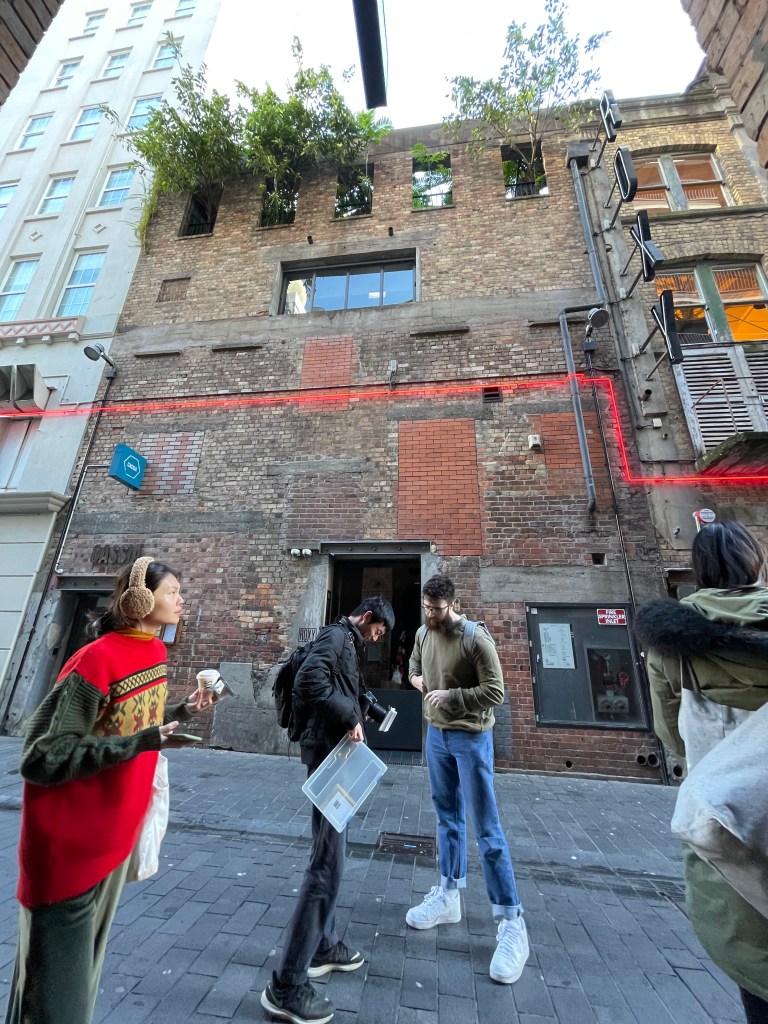
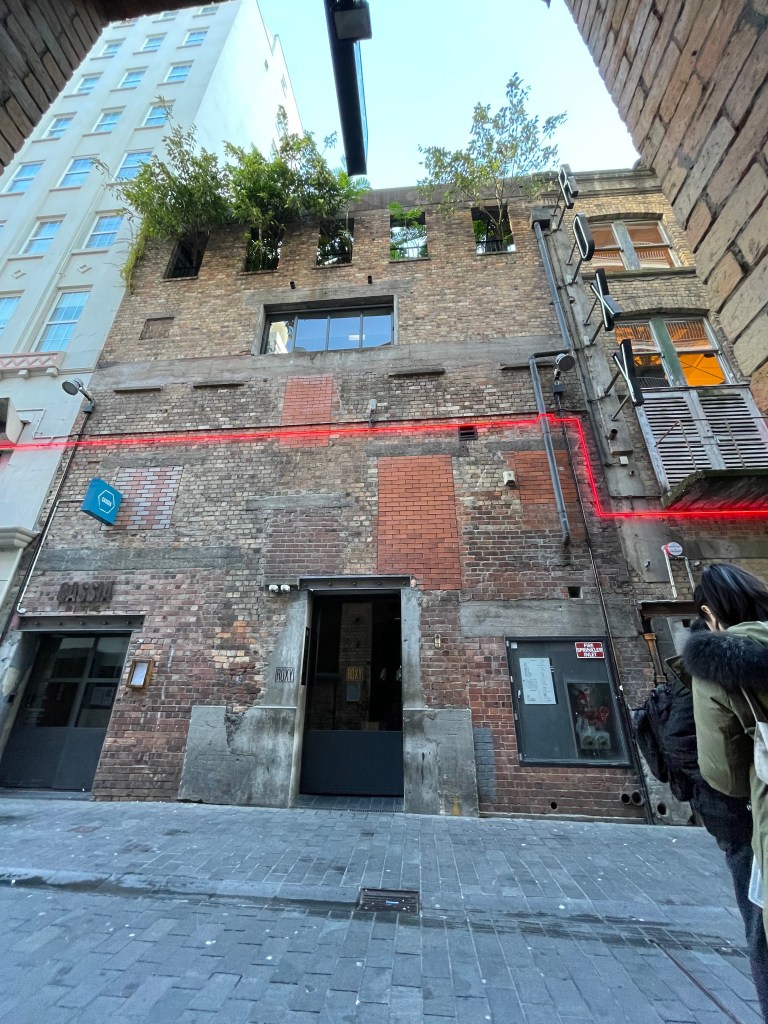
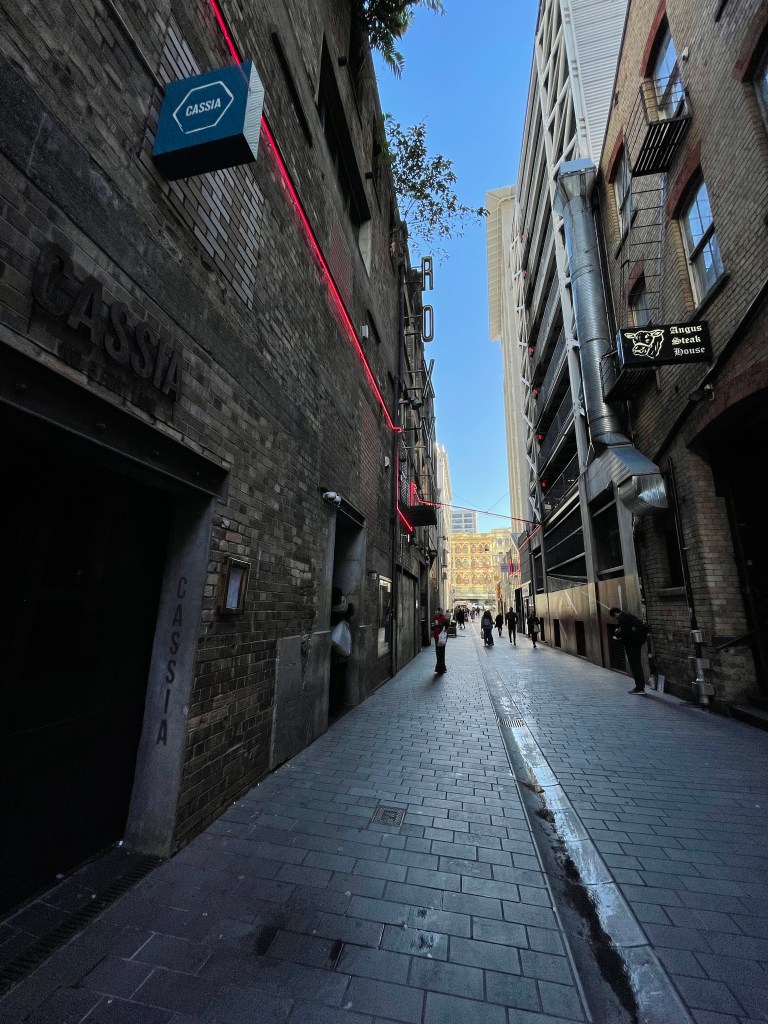
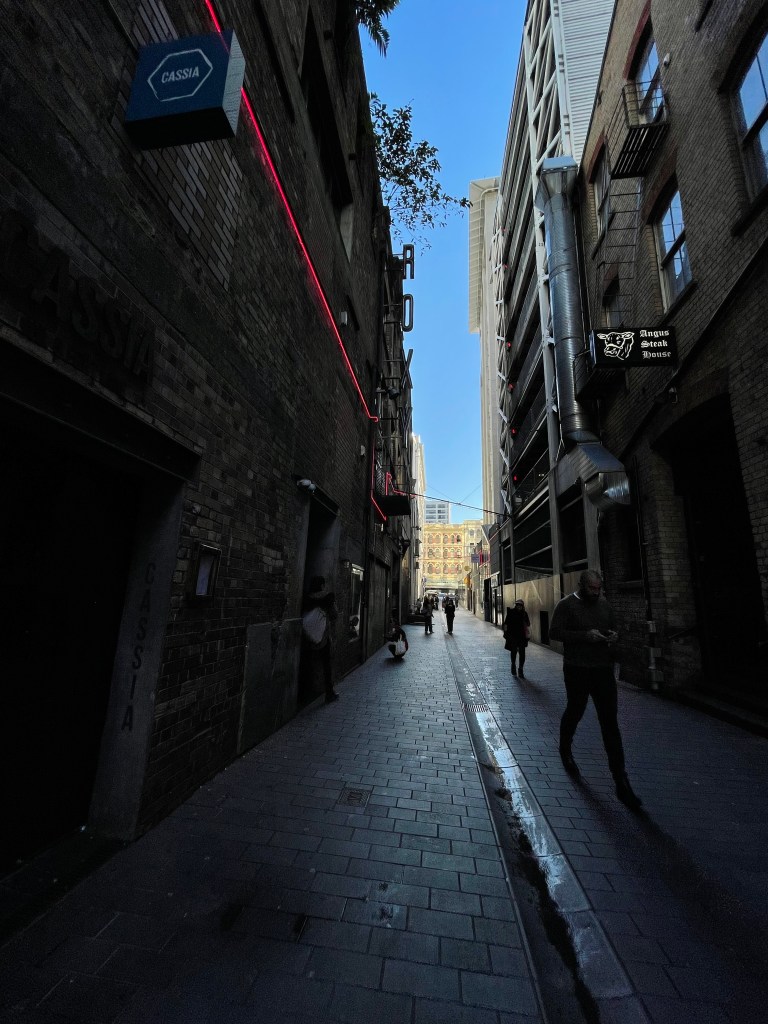
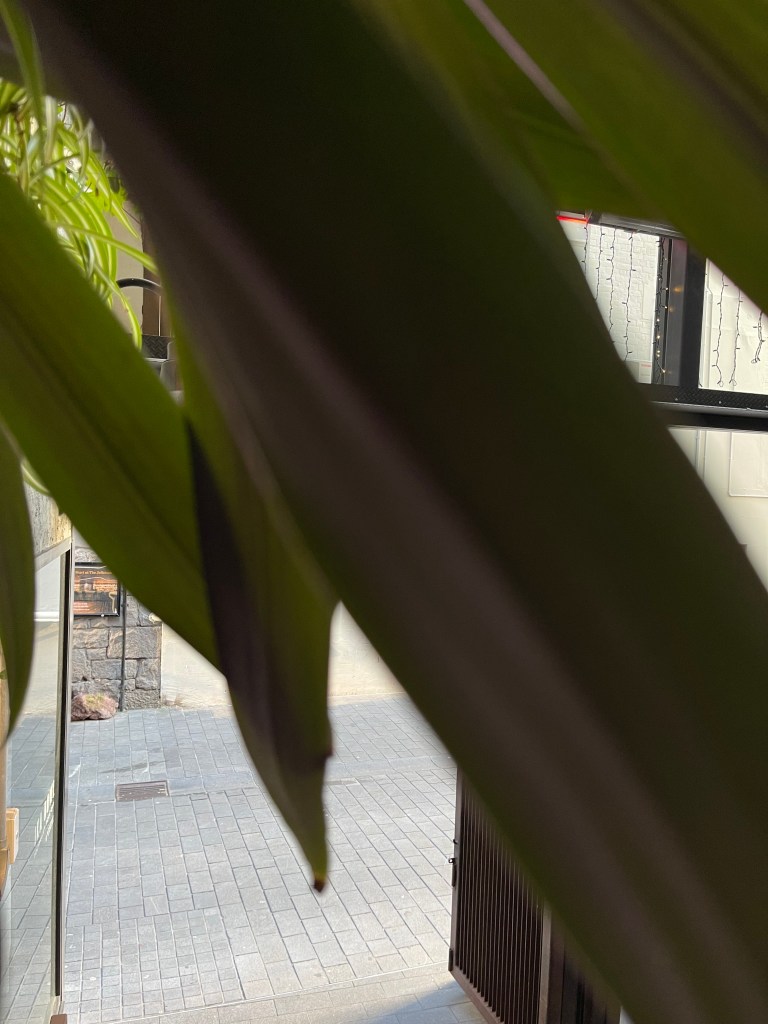
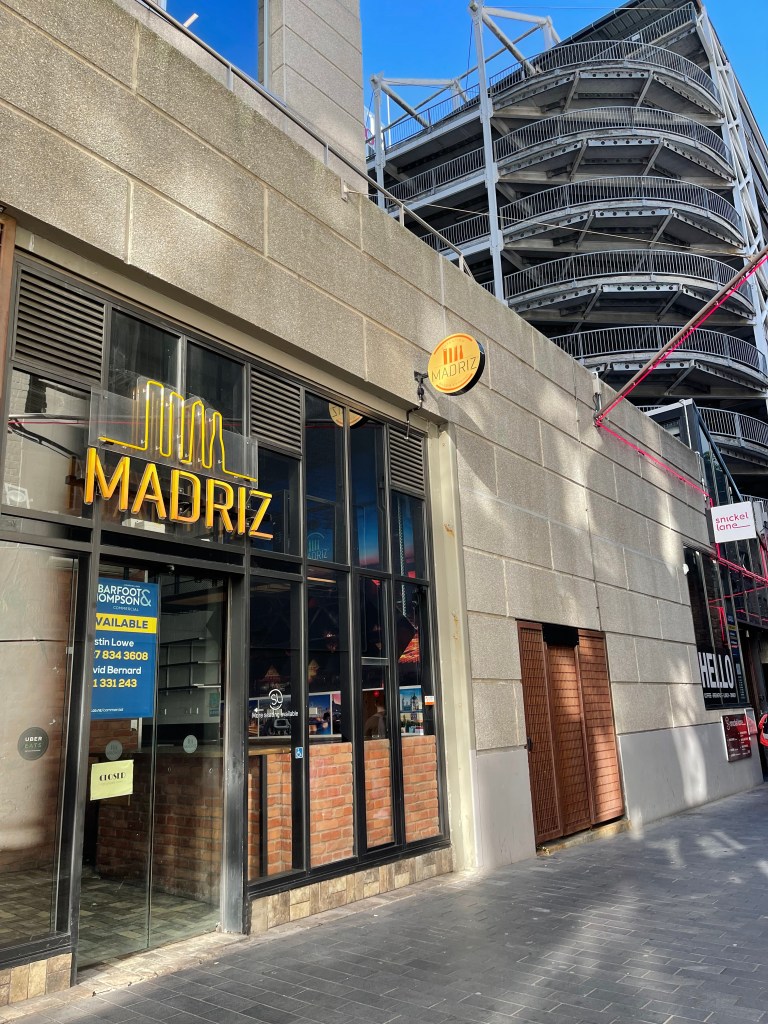
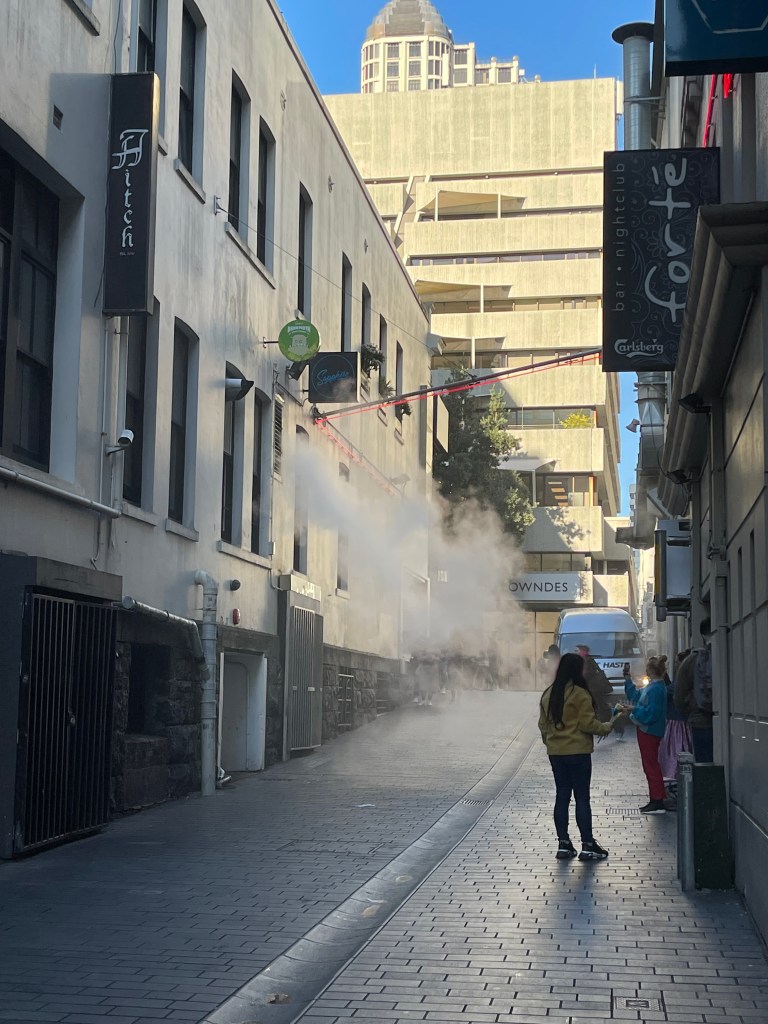
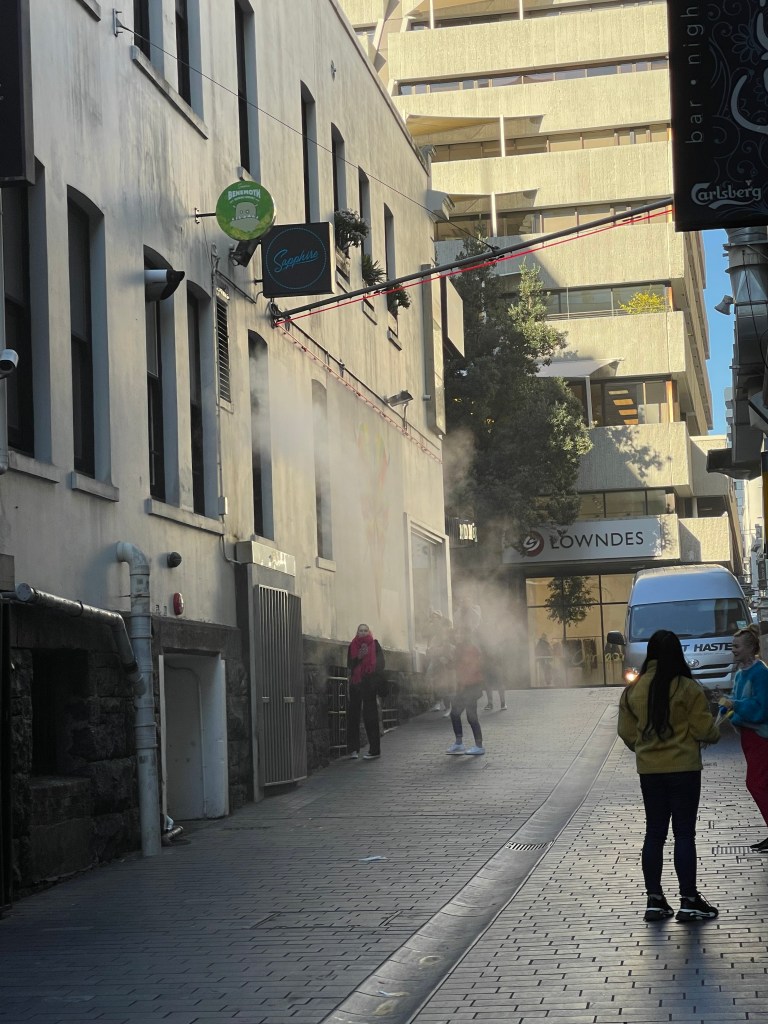
 Angel
Angel 