Studio Brief
“This paper examines critical approaches to the use of colour in spatial design representation and fabrication“. Through the intervention that I will design in the space I will “critically interrogate the relationship between spatial practices and colour: colour as integral to materials, applied to materials, embedded into materials and colour as immaterial.”The project will question how colour can be used as a mechanism to highlight, orientate, articulate, integrate or contrast spatial practices relative to a particular context?
The design in the site will be a passage way of the ST James Theatre foyer space, located on Queen ST in Auckland’s CBD. The foyer will be used as a holding space for the occupants that use the theatre, as well as a passage for people between Lorne ST and Queen St.
For our first class we were asked to take a walk from the Studio to St James Theatre on Lorne St. While doing so we had to document the use of colour in the built environment through some form of recording mechanism – drawing, photography/ video.
For this project we are focusing on creating an intervention into the lobby/entrance way.
The main observation were:
● Colour as integral to/applied to/or embedded into materials.
● The impact of light on surfaces
● The amount/proportion of colour used on elevations and the range of colours
used
● The use of colour within entry thresholds/interiors in contrast to exterior surfaces.
● The use of colour to delineate/augment architectural elements (e.g. windows and
doors)
● The impact colour has on the surrounding environments (eg. Type of surface
treatment (eg. High sheen, matte, satin finish) reflections, the impact of
stained/coloured glass).
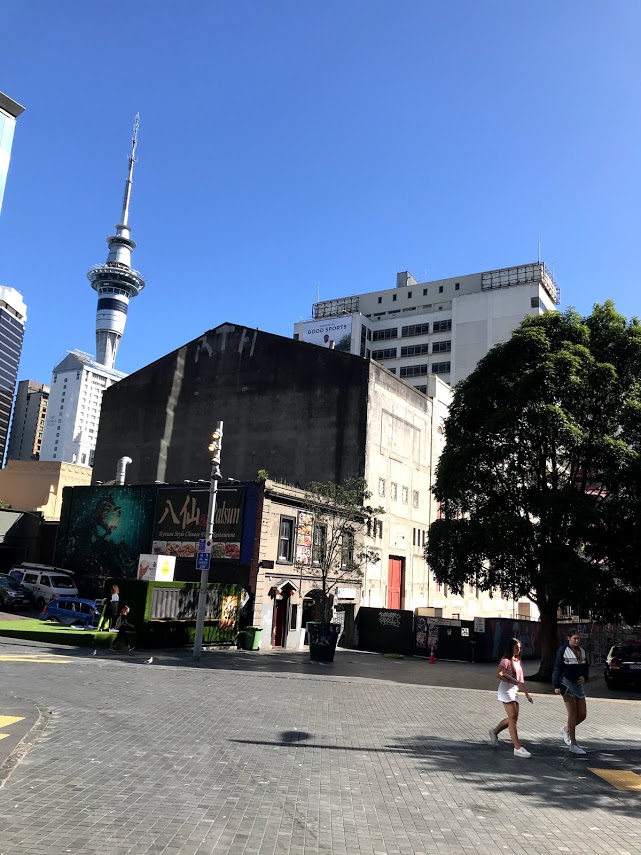
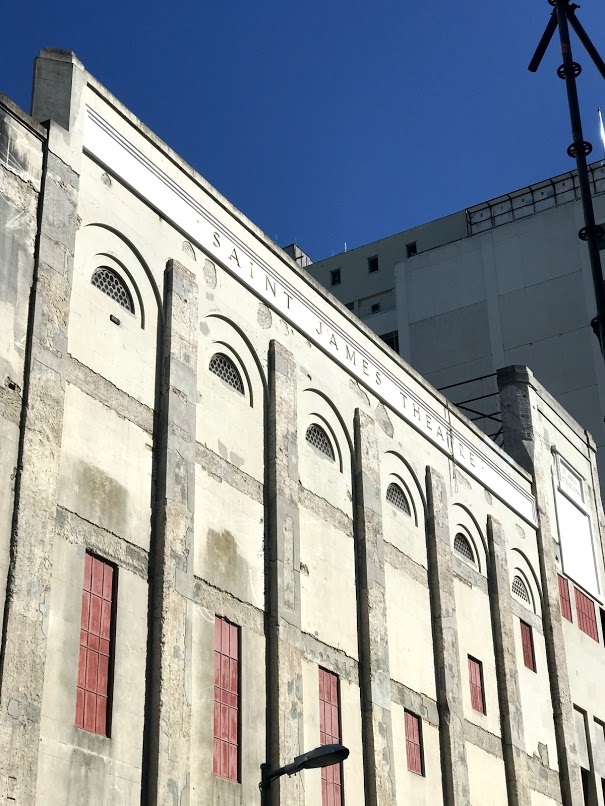
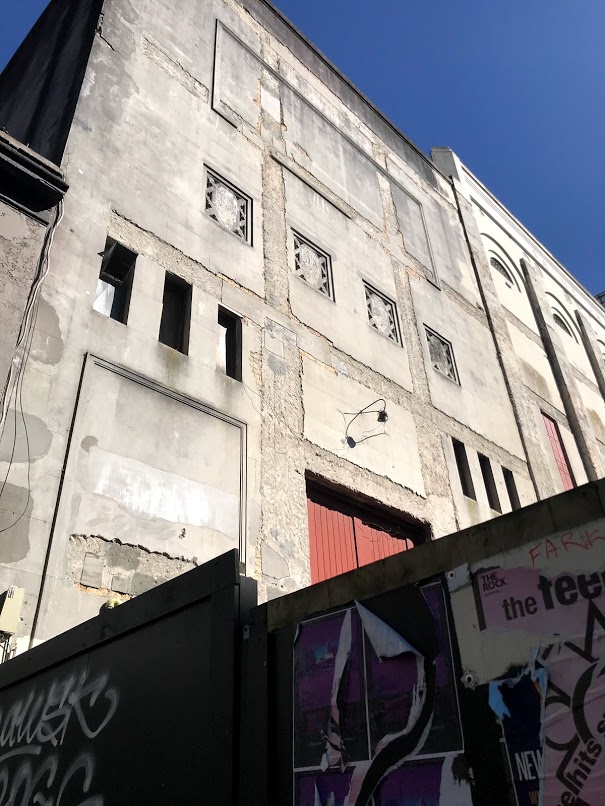
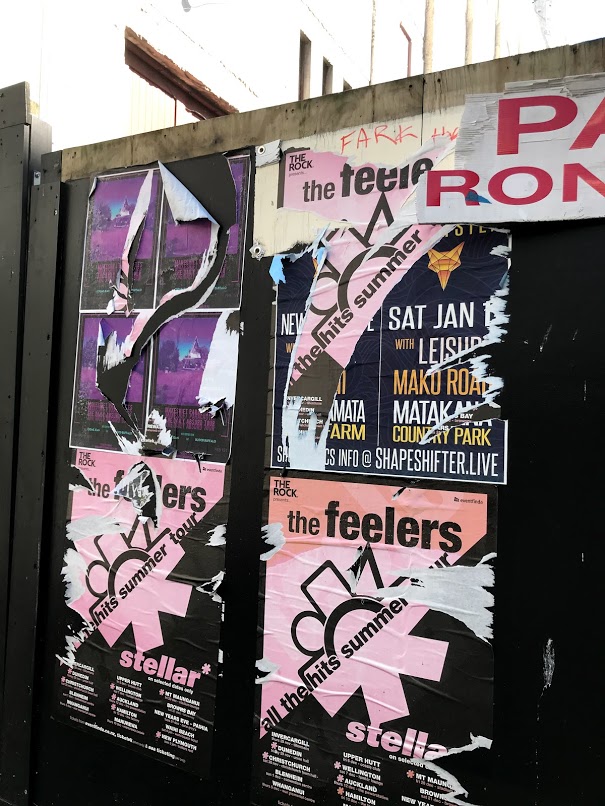
Below are the images i have taken when we first visited the site.
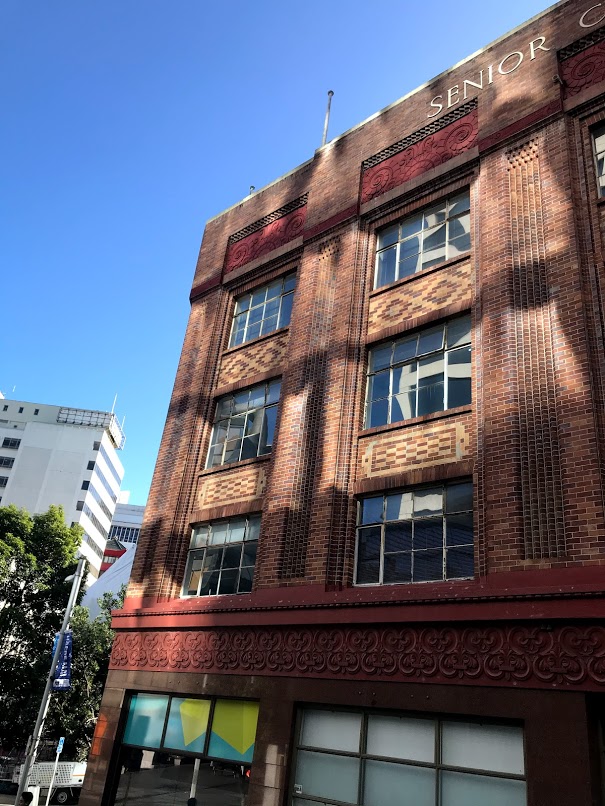
I have also taken photos of other buildings that can be seen near the Saint James Theater building
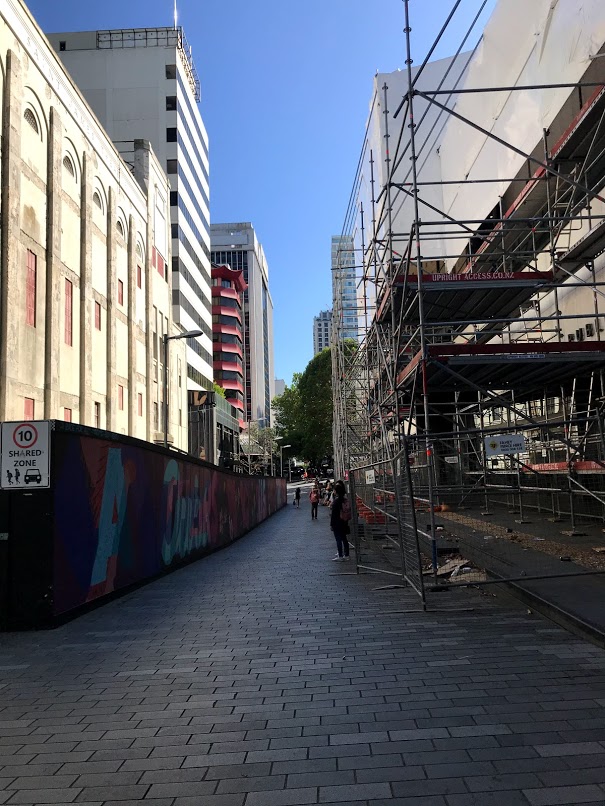
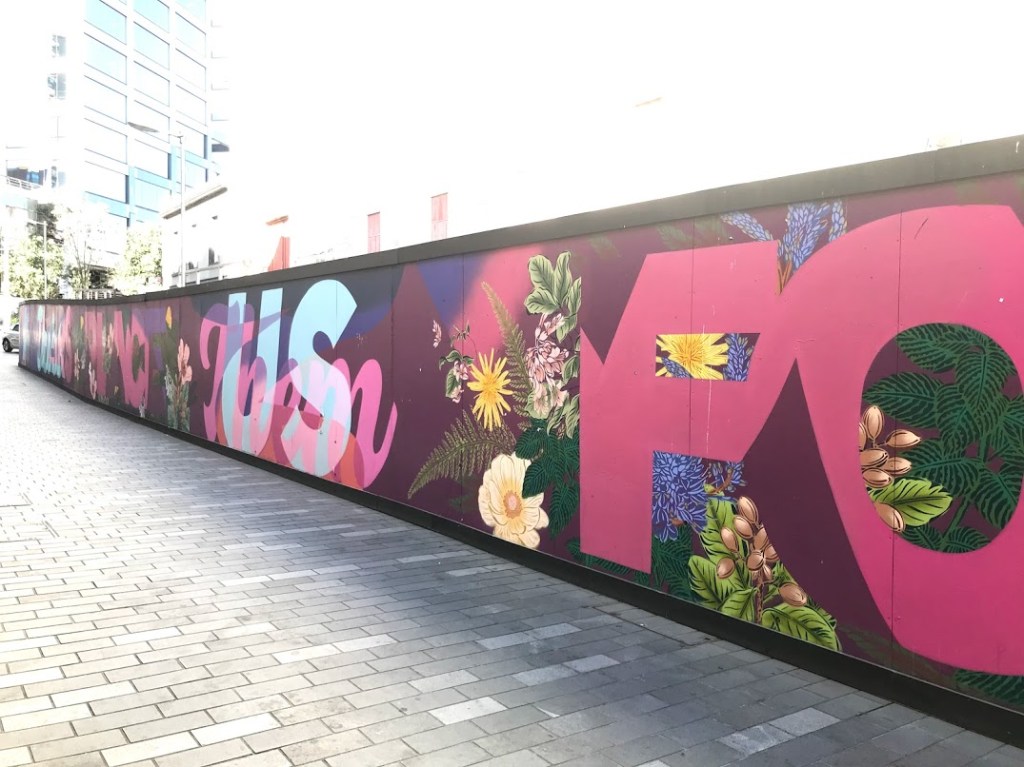
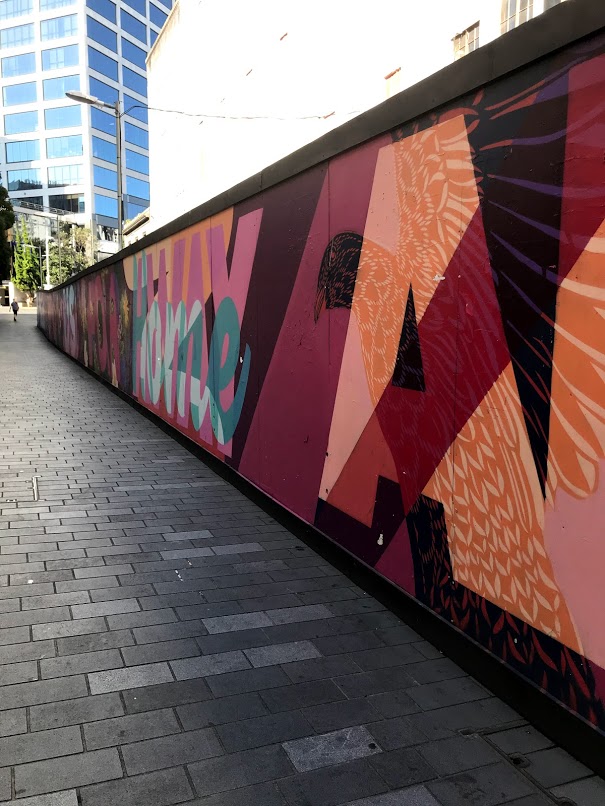
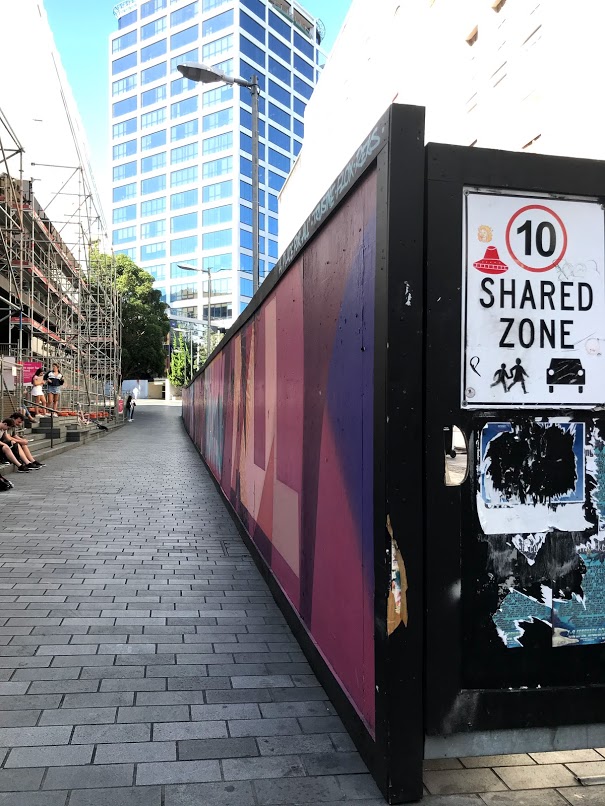
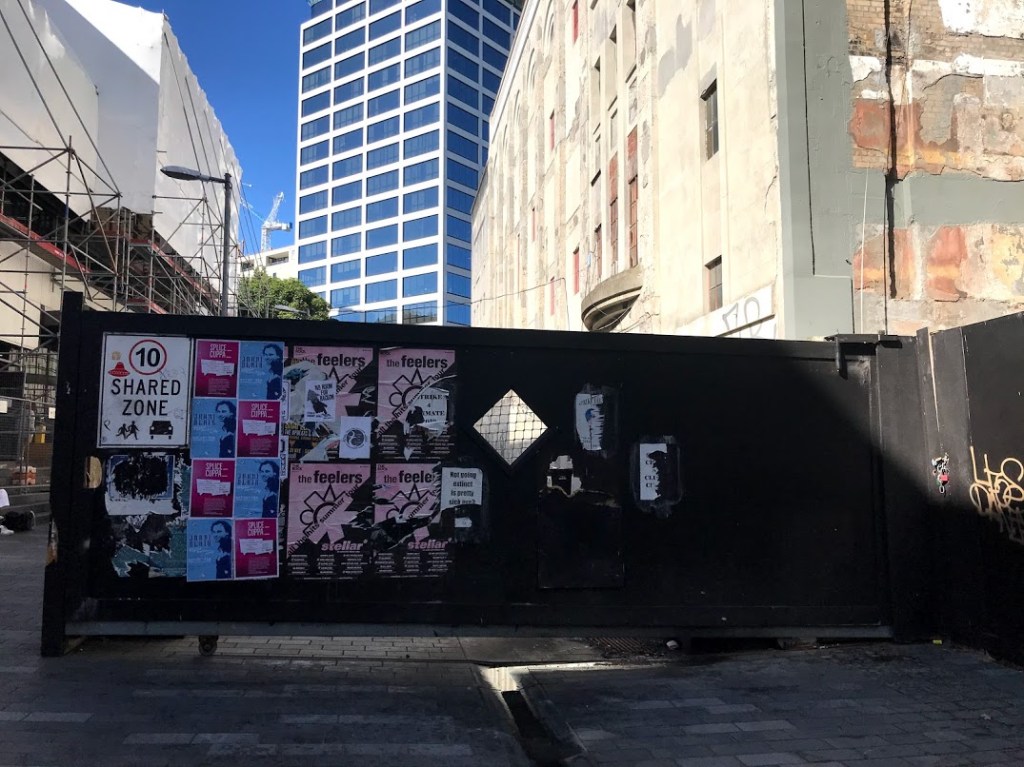
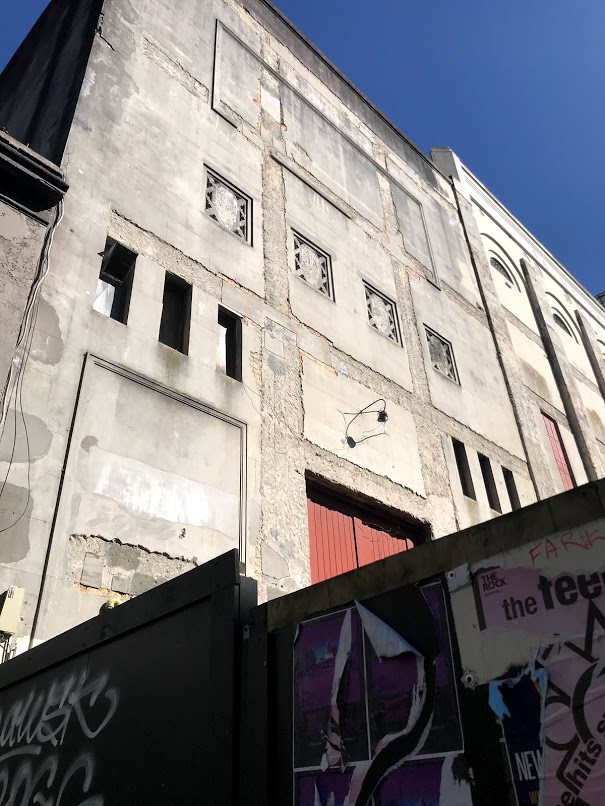
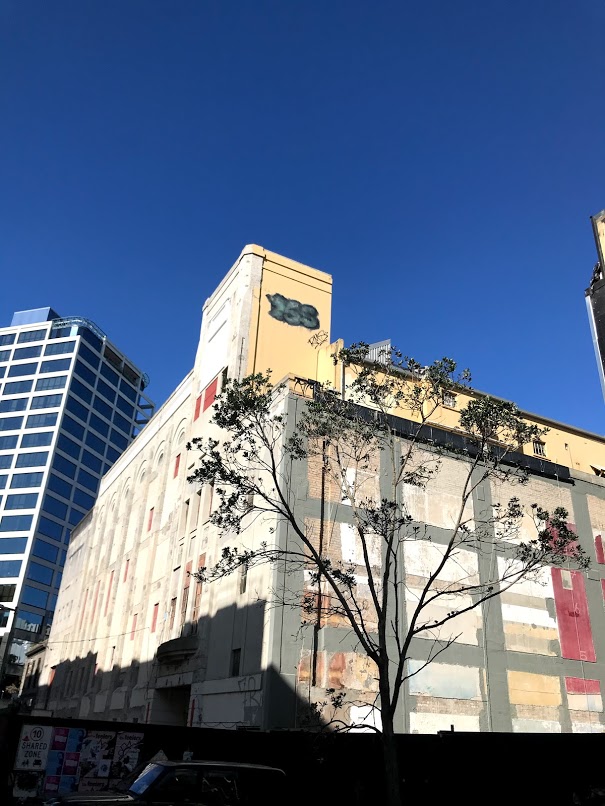
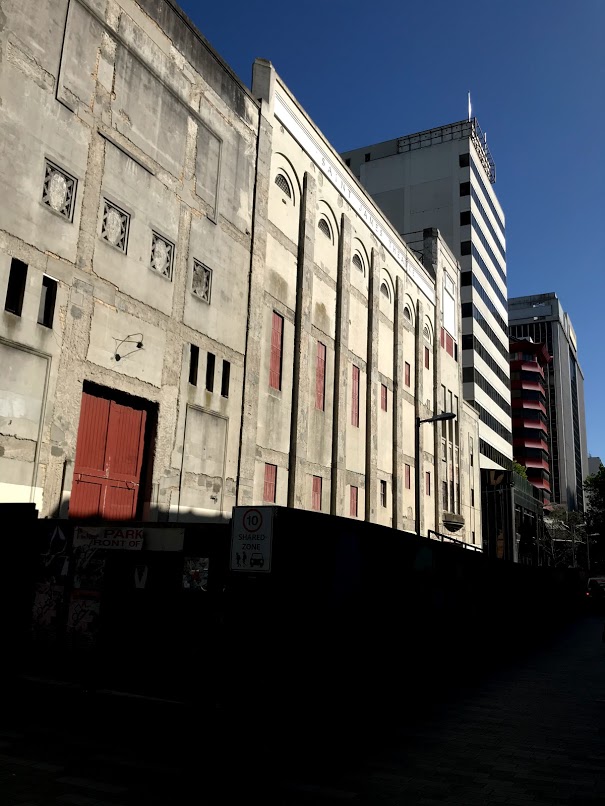
I have also noticed there was a small window that can be seen through and see the construction inside
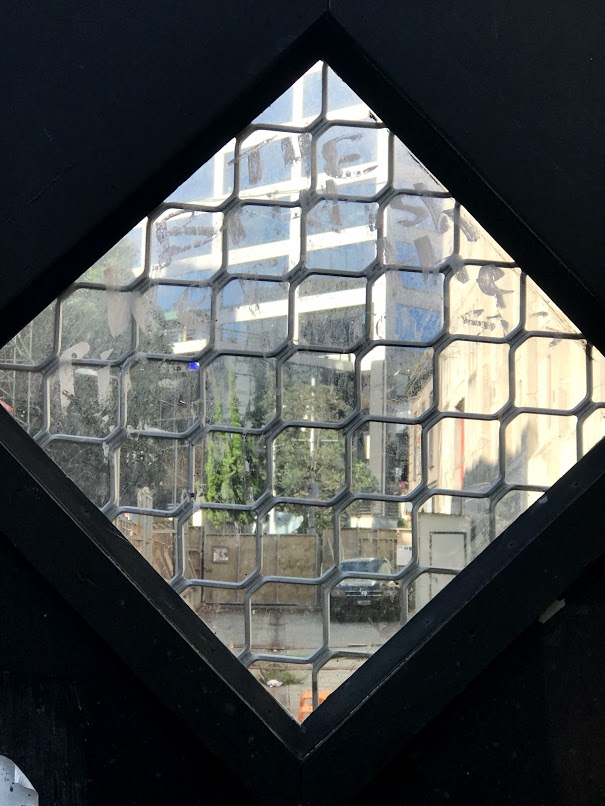
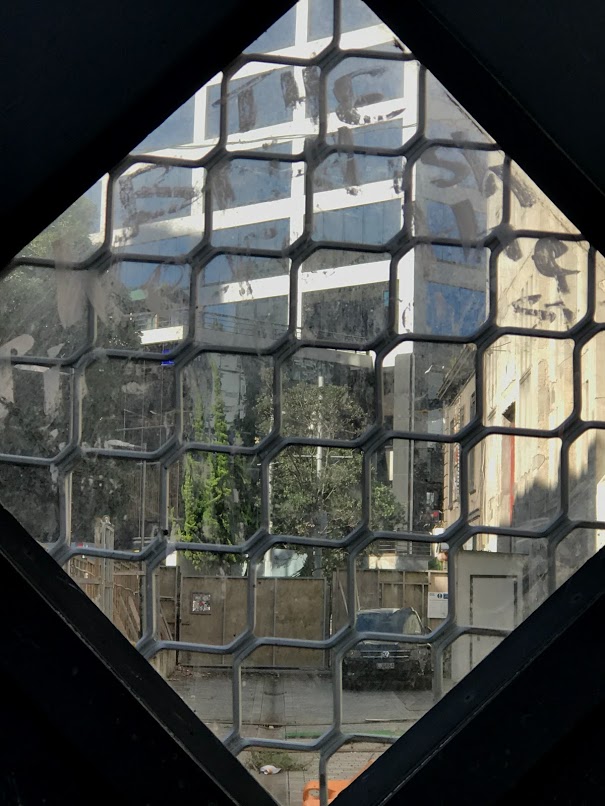
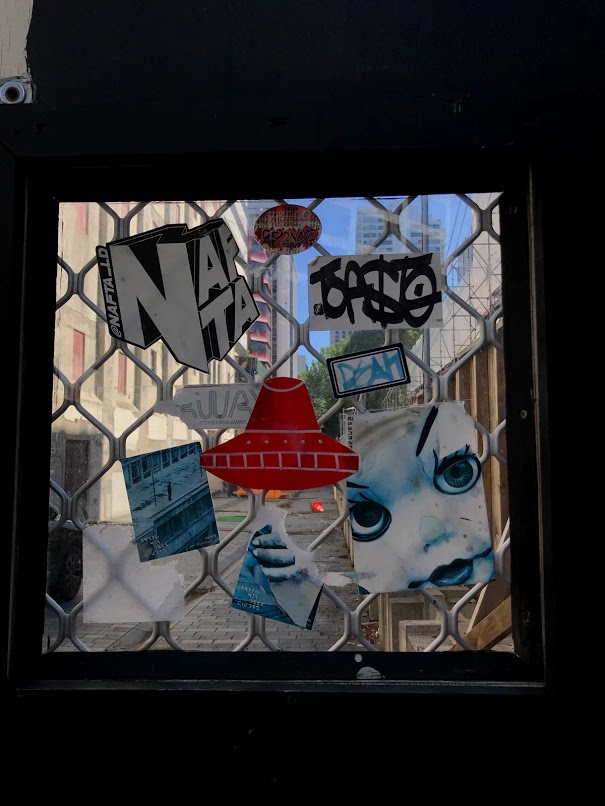
Below are the other buildings, i’ve also noticed that every building has there own unique textures, materials, different colour shades, patterns, designs to them
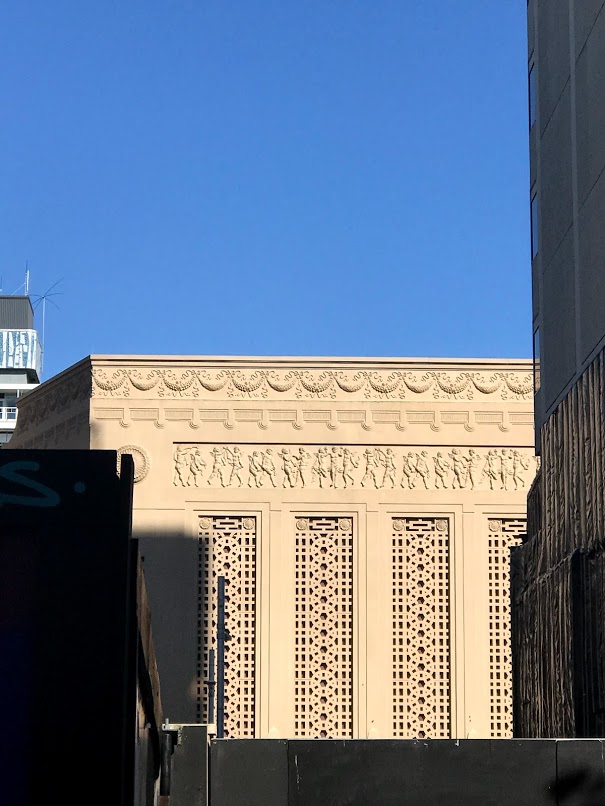
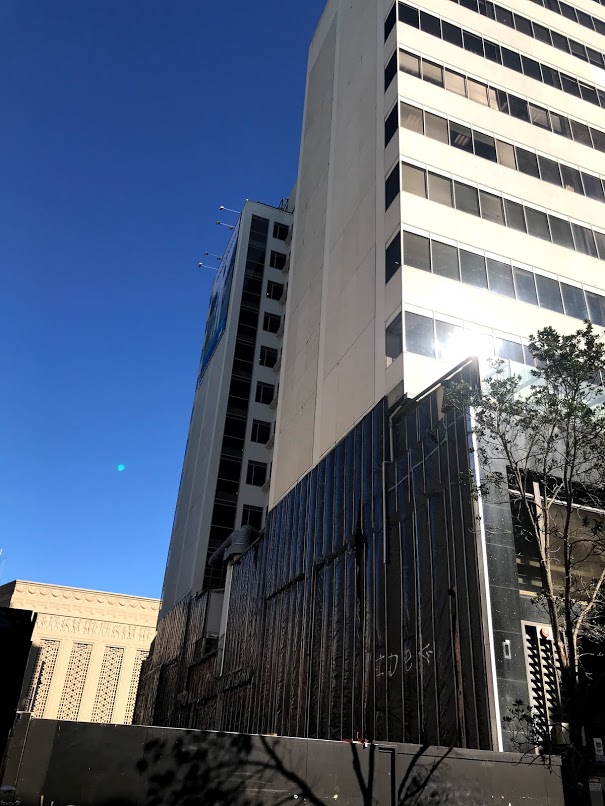
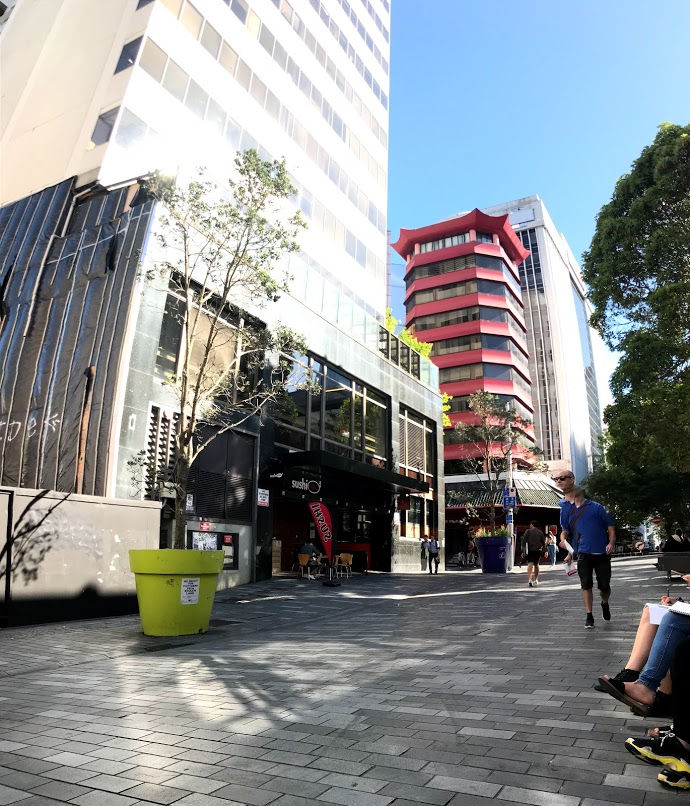
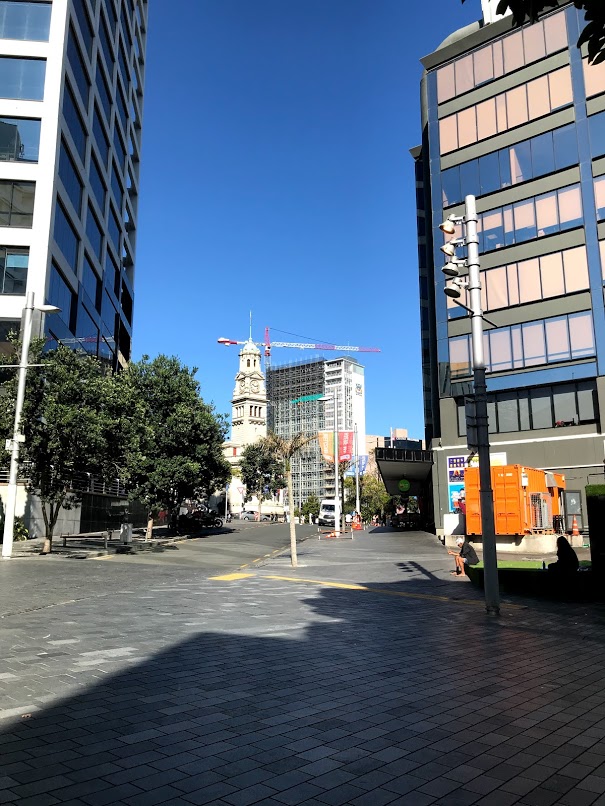
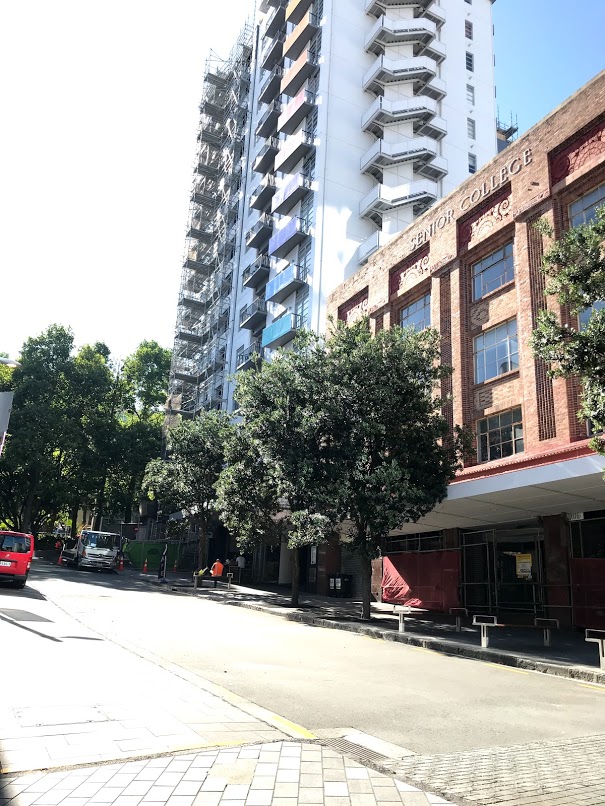
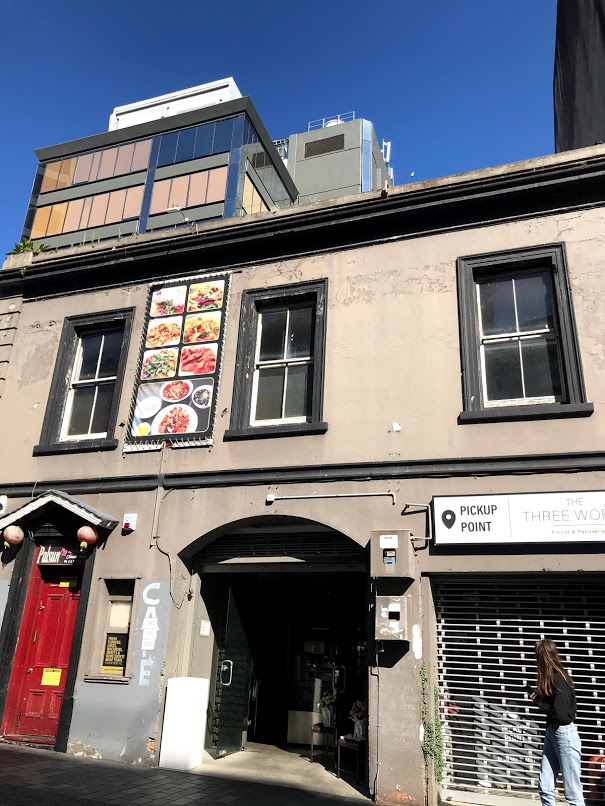
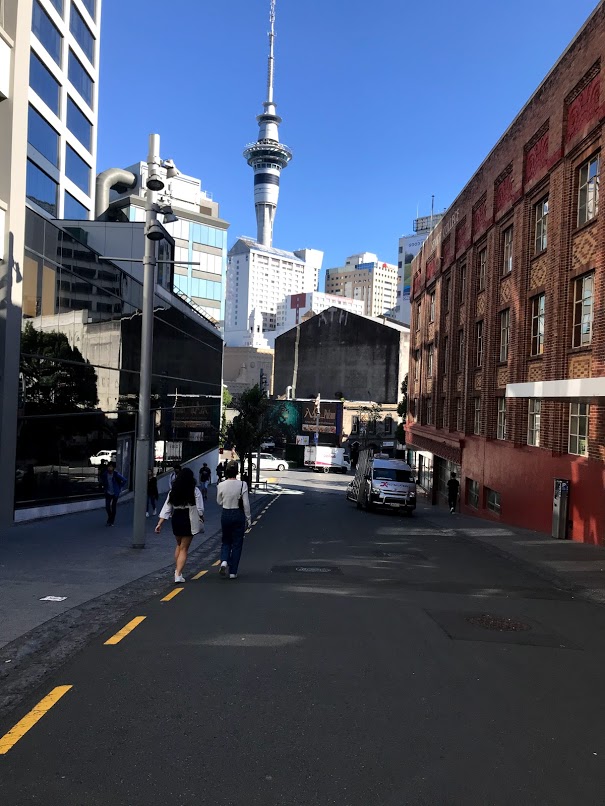
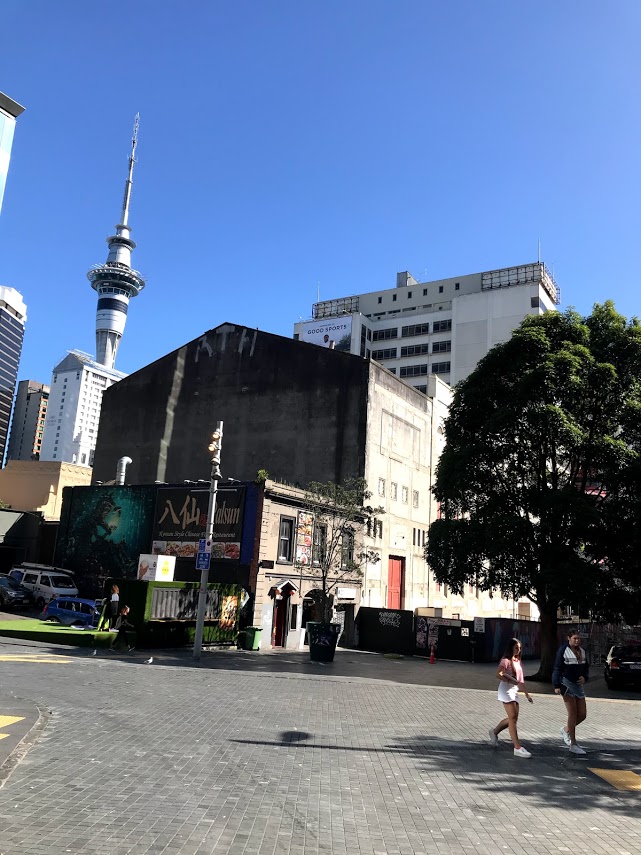
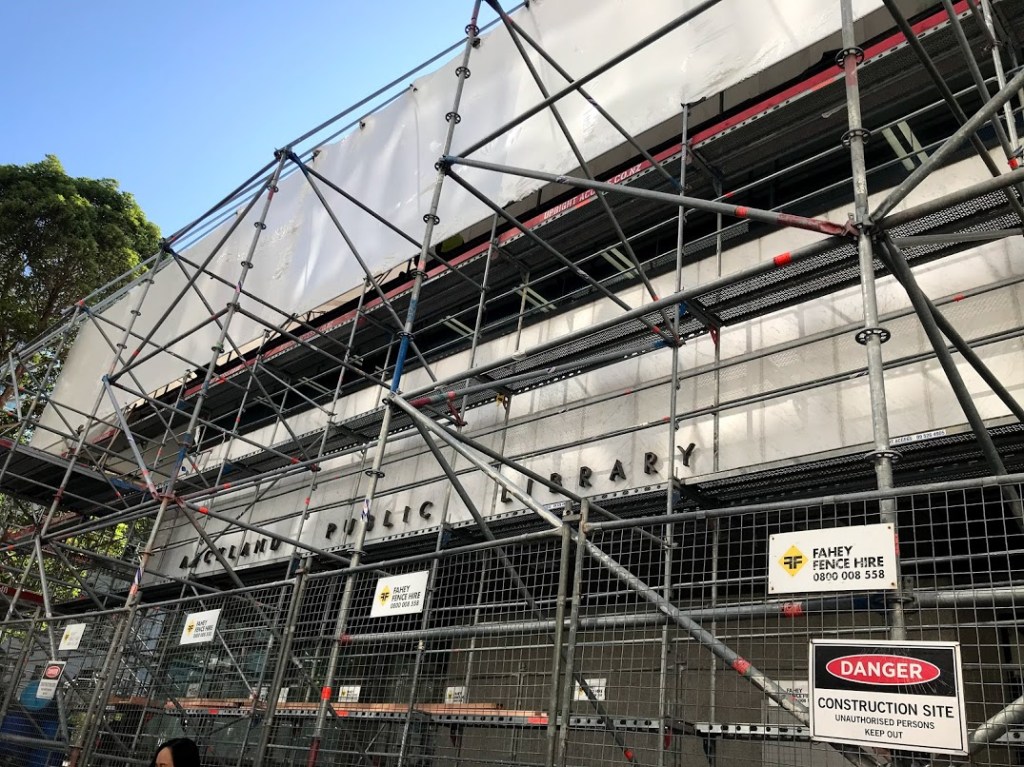
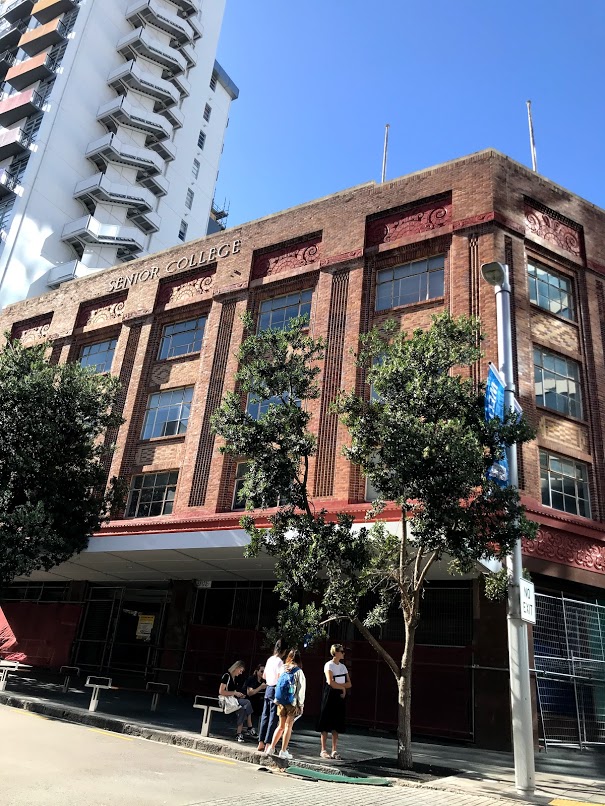
After our walk I have put together a collage that consists of images that I have taken, that I think are the most important/key points.

Site research :
The St James Theatre is a heritage stage theatre and cinema located on Queen Street in Auckland, New Zealand. Built in 1928, it was a replacement for the older Fuller’s Opera House and was originally designed for vaudeville acts. Its architect Henry Eli White also designed many other famous theatres in Australia and New Zealand including the St James Theatre in Wellington and the State Theatre in Sydney.
The theatre has been closed since 2007 after a fire raised concerns about safety and compliance. Purchased by Relianz Holdings in 2014, it is a restoration project with an Auckland Council contribution of $15 million. Buildings on the adjacent sites were demolished by late-2016 to make way for the St James Suites, a 39-level, 309-apartment project. However, in July 2019, no work had been done on the theatre since 2015 after funding for the apartment complex was lost.
The theatre is classified as a “Category I” (“places of special or outstanding historical or cultural heritage significance or value”) historic place by the New Zealand Historic Places Trust.
The St James has undergone several major modifications since its construction. A year after it was finished, cinema projectors were added due to the popularity of cinema. Cinema was to become a major part of the St James; its first film screening was Gold Diggers of Broadway, shown on Boxing Day 1929.
In 1953, the building’s facade and vestibule underwent renovation for the visit of Queen Elizabeth II, who attended a cinema premiere screening in December of that year. As part of the renovations, the unique facade was hidden behind sheets of metal in an attempt to give the building a more modern look.
However, its Spanish-Renaissance style interior is well preserved. The main auditorium has three tiers of seating plus boxes, elaborate lighting and ornate plasterwork decoration; items of heritage value include statuettes, the terrazzo flooring and the grand marble staircase.
In 1957, the Odeon Cinema with 670 seats was added to the theatre complex. In 1966 further modifications were made to the Queen Street facade; in 1966 the Westend Cinema was added, the Regent Theatre was added in 1982.
While active, the theatre hosted many famous performers such as theatrical actors Laurence Olivier, Vivien Leigh and Ralph Richardson. The Black and White Minstrel Show performed in 1963. In 1972 the successful West End musical play Charlie Girl performed at the St James with its original cast. The 1981 Royal Command Performance was held at St James for the visiting Queen Elizabeth II, Sir Howard Morrison held a premier performance of his te reo Māori version of the song How Great Thou Art that launched his commercial success.
In 2007, a fire damaged the theatre and it has not been open to the public since then. Any new work to restore the building would require earthquake proofing according to Auckland City Council‘s building standards, adding to the cost of any future restoration of the theatre. A 39-storey apartment building next to the theatre was approved by Auckland City Council in 2009. The owner of the St James and the developer behind the planned construction, Paul Doole, stated that the cost to restore and to reopen the theatre was estimated to be around $50 million.
A 2010 proposal was for the St. James to be restored as part of a new Convention Centre. (Brian Rudman, ‘St James Theatre restoration would be sweet music to the ears of many’. New Zealand Herald, 9 August 2010, pA7).
In 2014, the theatre was purchased by Relianz Holdings who confirmed plans to restore it and build the St James Suites apartments on the adjacent site by as early as 2018, but by July 2019 repairs were at a standstill after a bank withdrew $90 million worth of funding for the apartment complex. The theatre was to have made use of access routes and public conveniences in the complex, and restoration work cannot proceed until these issues are addressed.
The St James building is classified as a “Category I” (“places of special or outstanding historical or cultural heritage significance or value”) historic place by the New Zealand Historic Places Trust. Excerpts from the Historic Places Trust register read as follows:The St James has been a major focus of social life in Auckland for the best part of a century. It has been the venue for many important cinematic and theatrical events held for many royal and important occasions.Norman Hayward, manager from 1935, came from a strong family background of theatre and cinema. Under Hayward the theatrical atmosphere of the St James was enhanced, the patrons were entertained by piano playing in the foyer during the interval and informed by the weekly newsreels, entitled ‘The St James Airmail Review’. During this period Fullers picked up the Metro-Goldwyn-Mayer contract and the St James became the MGM theatre of Auckland.In 1945, Kerridge Theatres Ltd bought all Fuller cinemas, including the St James. With Kerridge came the return of stage shows, including, from overseas, Charlie Girl, a West End production brought over in its entirety, the Bolshoi Ballet Company, and New Zealand shows, the Royal Variety Performance, and the New Zealand Ballet Company, amongst others. The large seating capacity has made it economic to bring large shows to Auckland for the last fifty years. Of all the Queen Street theatres built for live shows, the St James is the only remaining one.
The St James Saviours is a lobby group formed in 2010 by Bob Kerridge, the son of ex-owner of the St James, Sir Robert Kerridge. Members include Judi Dench, Ian McKellen, Alan Bennett and over 7,000 supporters on Facebook.
Patron of the St James Saviours is Auckland Mayor Len Brown, who in early 2011 commissioned a study to identify the need and market demand for professional performing arts venues in Auckland, and to help guide Auckland Council‘s investment in such venues over the next 10 to 15 years.
In September 2012 David Hartnell MNZM was named Ambassador of the St James Saviours.
During our studio workshop we focused on the production of 3D colour collage models, within a spatial volume of 100mm (wide) by 100mm (long) by 300 mm (high). Using the collage, we have created as an inspiration.
Deliverables:
The first colour collage model will intersect volumes and light
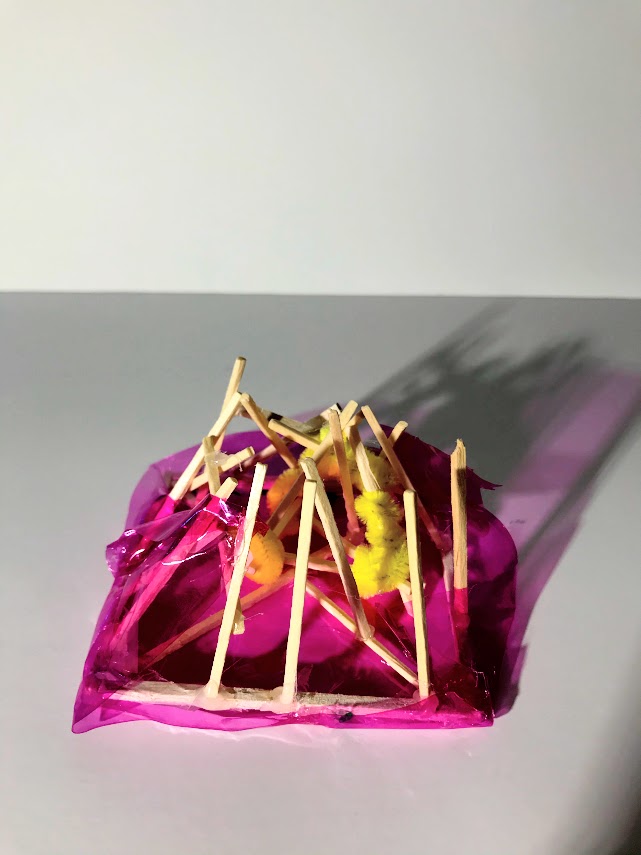
The second colour collage model will explore surface textures and shadow

The third colour collage model will connect the first and second model, producing a series of thresholds or connection (e.g. cut, fold, join)

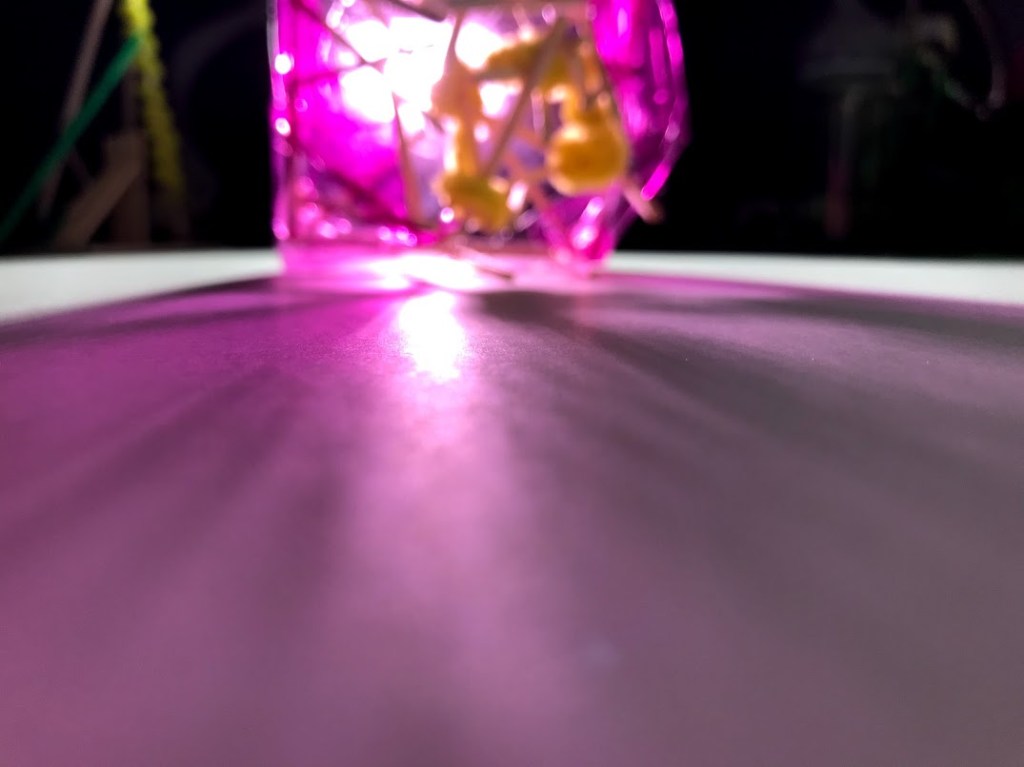
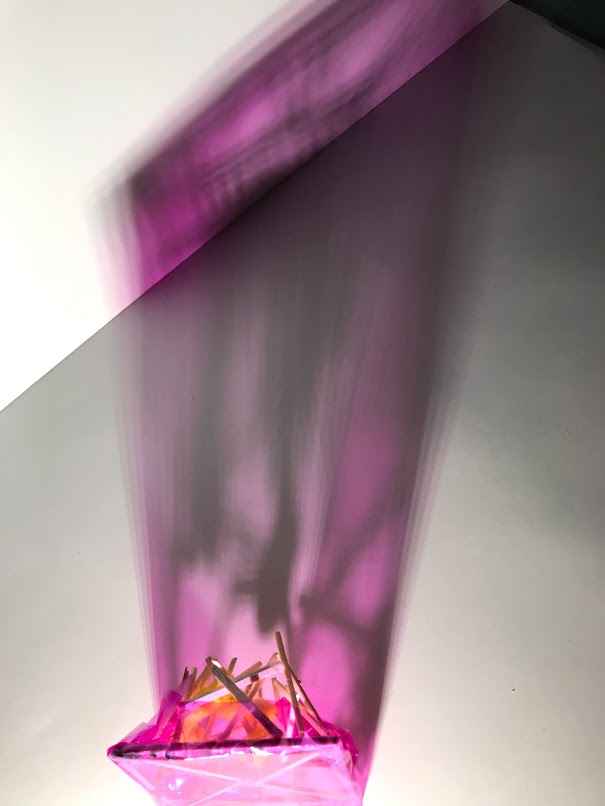
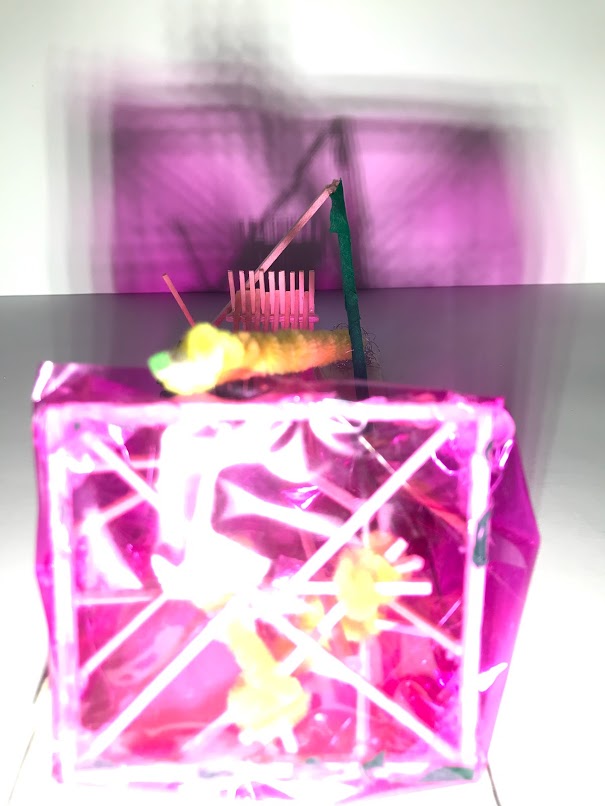
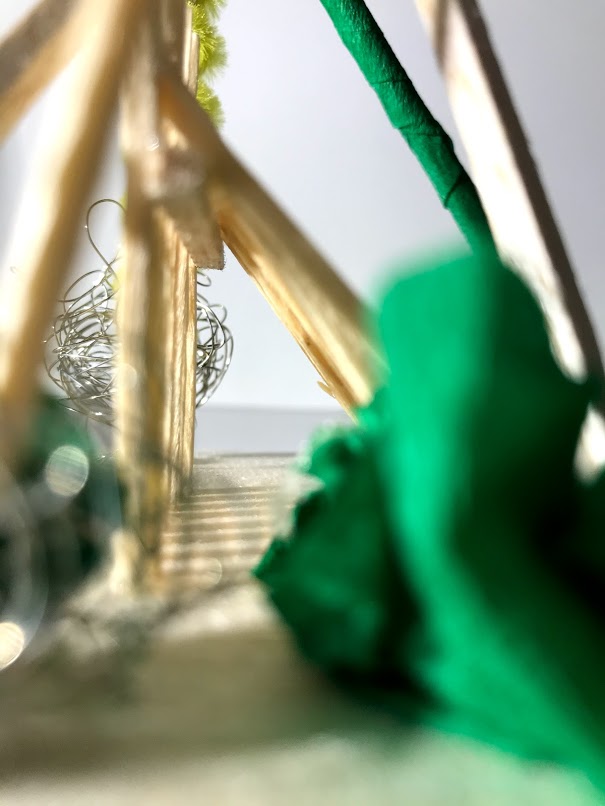
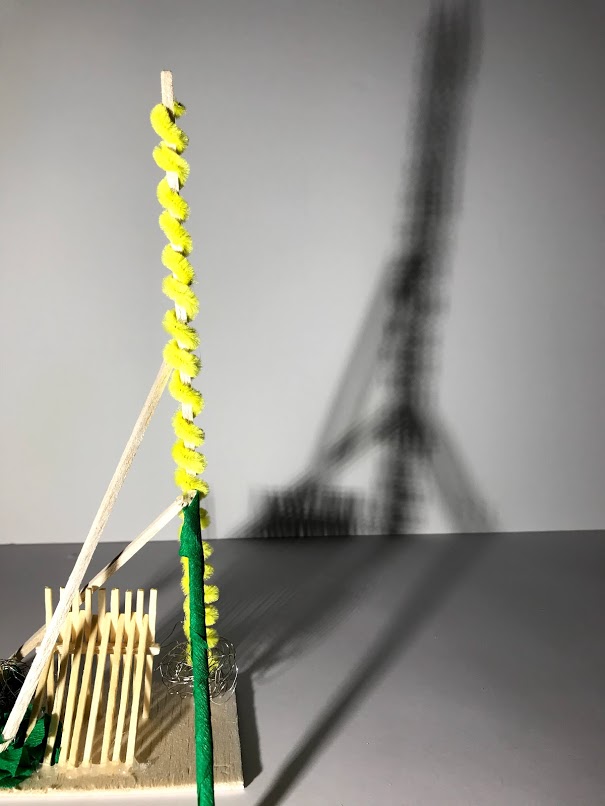
I then wanted to play around with the lighting and see the different shadows and shots i can take


 Angel
Angel 