(all info below can be found in gharpedia.com)
Wood has been used as a building material for thousands of years being second only to stone in terms of its rich and storied history in the world of construction. The chemical properties of wood are inherently complex, but in spite of this challenge, human beings have successfully harnessed the unique characteristics of wood to build a comingle unlimited variety of structures. This exceptionally versatile material is commonly used to build houses, shelters and boats but it is extensively used in the furniture and home décor industries as well.
Wood is one of the most ancient building materials. Before the invention of cement, wood was the most used material in the construction industry, besides natural stone. Timber framed structures are still popular in cold weather countries like The United States. According to United States Department of Agriculture Forest Service (2010), more than half of the wood harvested in the forests, is used as building material in the United States. The natural beauty and long-lasting nature of wood can bring warmth and beauty to our everyday decor of the home.
Benefits of Wood in construction:
- Wood carries its thermal properties, which give it an advantage in terms of its resistance to high temperature. In addition, the heat conductivity of wood is relatively low in comparison to materials such as aluminum, marble, steel or glass.
- It can observe sound and echo, and it is a favorite material of choice for the construction of structures.
- Wood is resistant to electrical currents, making it optimal material for electrical insulation.
Wood is a prominent material in the furniture industry. Furniture made of wood is one of the few things, in the world that all people can own. Nowadays along with furniture, wood is also used in wood veneer, wood flooring and cladding. There are different kinds of wood available in nature. Different kinds of wood have different properties, colour, texture and strength. Here we have given brief introduction on different kinds of wood used in the construction industry, which a homeowner must know.
Different types of wood & Their uses:
(a) Softwood
Softwood comes from the coniferous trees. These trees are also known as evergreen trees and leaves of these trees do not fall till the new one is grown. Softwood usually grows in cold climates. Coniferous trees grows fast so they are less expensive as compared to hardwood. They are more sustainable as they can be easily grown. There are different types of softwood, which are given below:
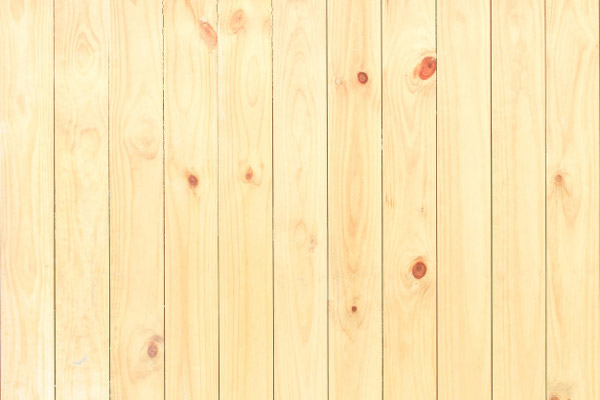
01. Pine
Pine is a soft, white or light-yellow wood which is light in weight, straight grained. It resists shrinkage, swelling and warping. Pine is very easy to shape and stain. Pine decays easily, when it comes in contact with soil. It grows in most parts of Northern Hemisphere. In India, it is found in the western Himalayas, Assam and Nagpur.
02. Cedar
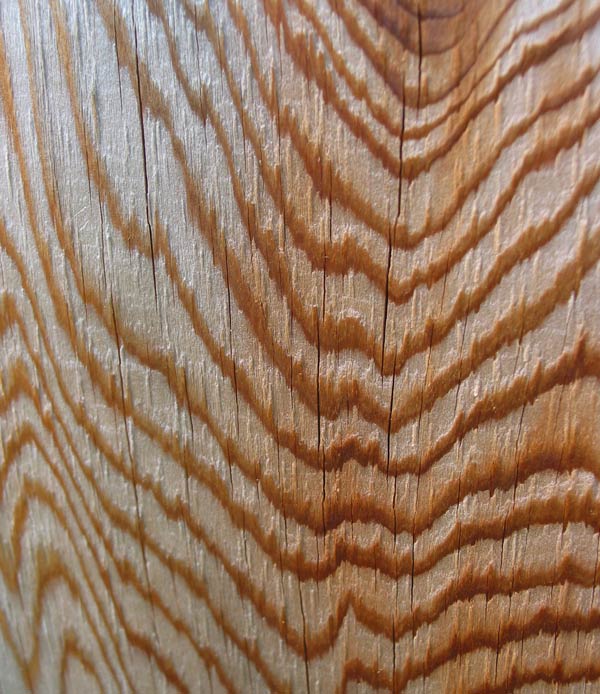
Cedar is knotty softwood which has a red-brown colour with light lines. Cedar is soft as compared to other softwoods. Its texture is uniform and it is highly resistant to decay and insects. They are aromatic in nature. It is found in Kashmir and Assam.
03. Fir
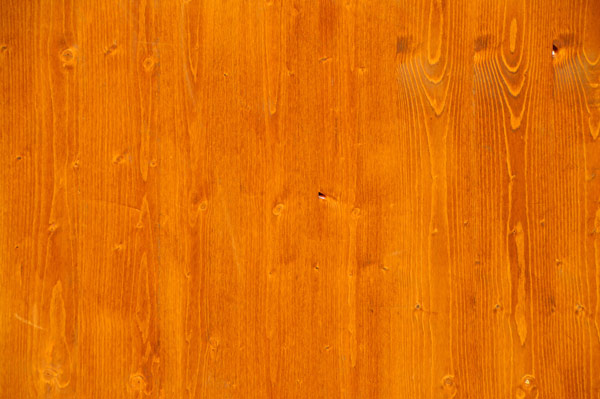
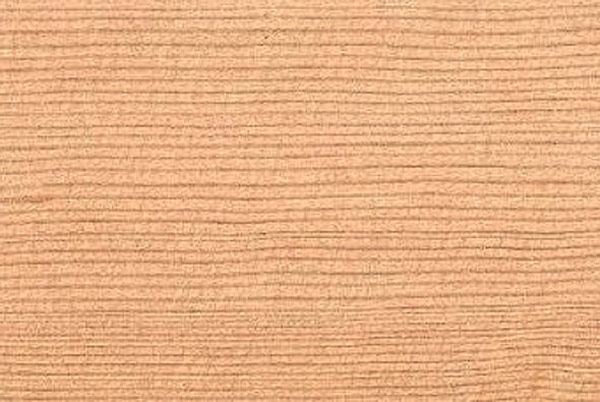
It is often referred to as Douglas Fir. Fir has straight grain and has reddish brown colour. It is uniform in texture and non-resinous. It is low resistant to decay. Fir is hard as compared to other softwoods. It cannot be stained easily hence generally it is used in raw form or as painted surface. Fir is found in North and Central America, North Africa, Europe and Asia. In India, it is found in Himachal Pradesh.
04. Spruce
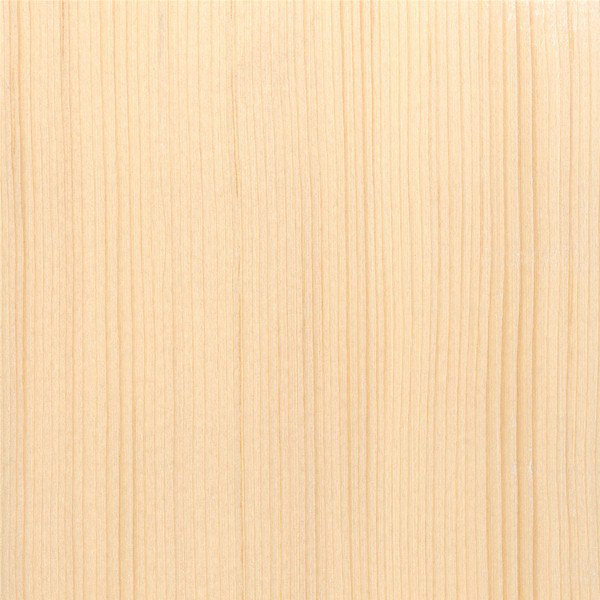
Spruce is strong and hard. It finishes well and has low resistance to decay. It has a moderate shrinkage and is light in weight. Spruce is found in America, Europe, Asia, Alaska and Canada. In India, it is found in Western Himalaya and Sikkim.
05. Hemlock
Hemlock is moderately light-weight and has moderate strength. It machines well and has low resistance to decay and non-resinous. It’s found in the United States, Canada, Alaska, England, and Eastern Asia. It has moderately high shrinkage, which is about as same as fir wood.
(b) Hardwood
Hardwood comes from deciduous tree that have broad leaves, produce fruit or nut, and are generally, inactive in the winter. Hardwoods have more dense structure as compared to softwoods. Different types of hardwood can be described as follows:
01. Teakwood
Teakwood is the most popular type of hardwood. It is yellow to dark brown in colour which is extremely heavy, strong, durable, weather resistant, warp resistant and does not decay. Often strongly figured, teak may show straight grain pattern. The natural oils in teak makes them termite resistant and pest resistant. It does not burn easily. Teak is most expensive as compared to other types of wood. It is generally found in central and southern India.
02. Rosewood
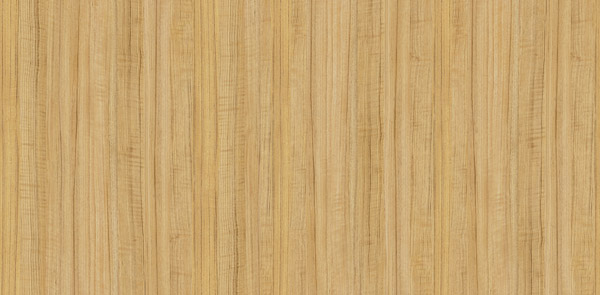
Rosewood is very hard and has a dark reddish brown colour. It has unique fragrance. It is hard to work and takes a high polish. Rosewood is classified as Brazilian rosewood, East India rosewood, Honduran rosewood, Amazon rosewood, Madagascar rosewood, etc. East Indian rosewood is also known Sheesham in Hindi. Rosewood is considered very valuable. In India, it is generally found mostly in Uttar Pradesh, Maharashtra, Mysore, Bengal, Assam, Tamil Nadu, Karnataka, and Orissa.

03. Oak
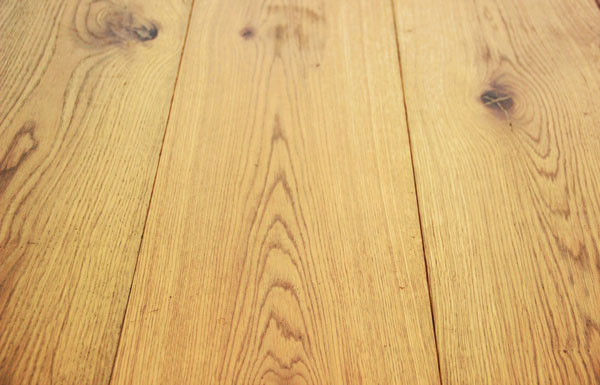
Oak is the most widely used hardwood. Oak can be distinguished into two basic varieties: white and red. The red variety is also known as black oak (a reference to its bark). It has a very distinct grain and finishes. Oak is a heavy, strong, light coloured hardwood. It is very easy to work with oak. It has good resistance towards moisture. Also, it has good resistance towards fungus and yeast. Oak is found in different parts of America, Asia, North Africa and Europe. This hardwood trees are found in the north-eastern parts of India.
04. Maple
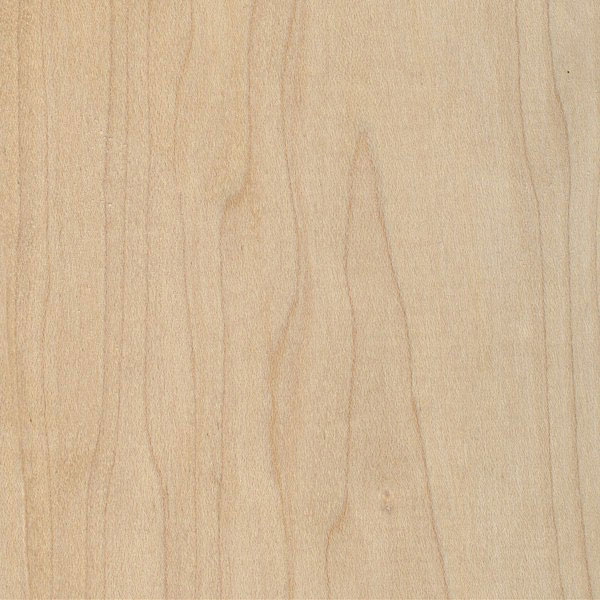
Maple wood has a fine texture with great strength. It is so hard and resistant to shocks that it is often used for a pathway. Maple is resistant to splitting and is very durable. It is also very easy to clean maple wood. Maple is found in Asia, North America, North Africa, Europe and Canada. In India, you can find these trees in Ooty and other hilly regions.
05. Ash
Ash is a hard, heavy, ring porous wood. Ash is known, for its elasticity along with its strength. It has a prominent grain that looks like oak, and a white to light brown colour. It is easy to work with ash using screws, nails and glue. It gives an attractive finish. Ash is generally less in demand as compared to other hardwoods and thus is less expensive.
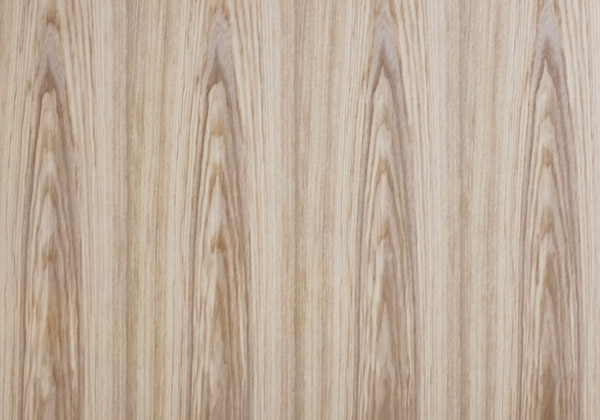
06. Mango
Mango is dense and strong hardwood which comes with a distinctly attractive grain pattern. Its grain is unique as it embodies several tones and colours, ranging from light shades like dark brown with hints of light pink or green. It is lighter than other wood species and is water-resistant.
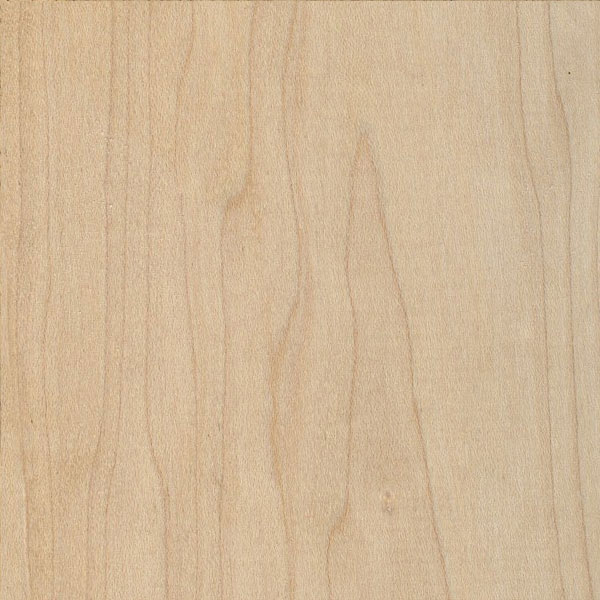
07. Mahogany
Mahogany also known as Honduras, Mahogany is reddish-brown coloured wood. It is strong, with a uniform pore structure and poorly defined annual rings. It is an excellent carving wood and finishes well. It takes stain very well and hence gives great finish to the furniture. One of its many advantages is that it does not get warp, swell or shrink and does well under water, too. In India, mahogany was planted in 1795 in Royal Botanical Garden in Kolkata (Kumar et. al, 2016). It is now found all over India, particularly in Corbett National Park, Kaziranga National Park and Thattekkad Wildlife Sanctuary.
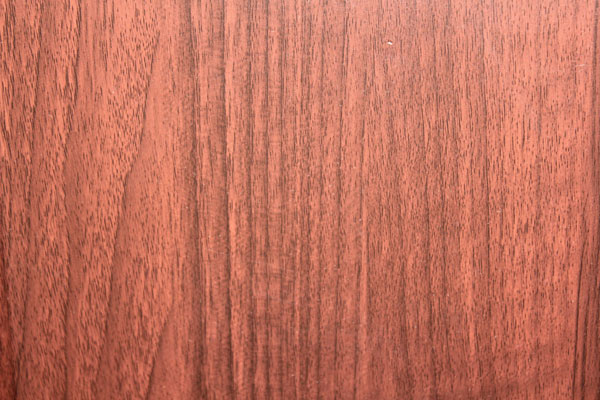
08. Beech
Beech is a hard, strong and heavy wood with tiny pores. It is light pink in colour. This is relatively inexpensive wood. Beech is tough but dimensionally unstable. It is very easy to work with as it has good resistance towards splitting. Beech has less durability for prolonged exterior use. It is found in Europe, Asia and North America.
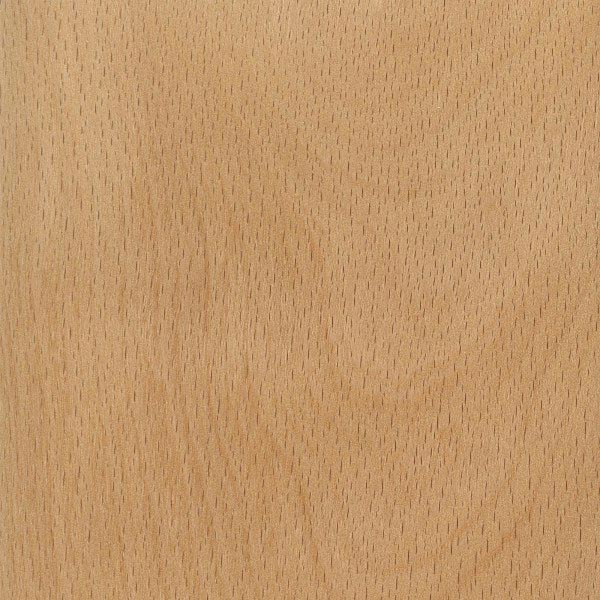
09. Cherry
Cherry is sometimes called fruitwood. It is light to red-brown in colour, hard, strong, warp resistant, closed grained wood. It resists warping and checking. It is easy to carve and polish. Cherry is mostly found in Europe and Asia. These trees are found in the hilly regions of Kashmir, Uttar Pradesh and Himachal Pradesh.

10. Walnut
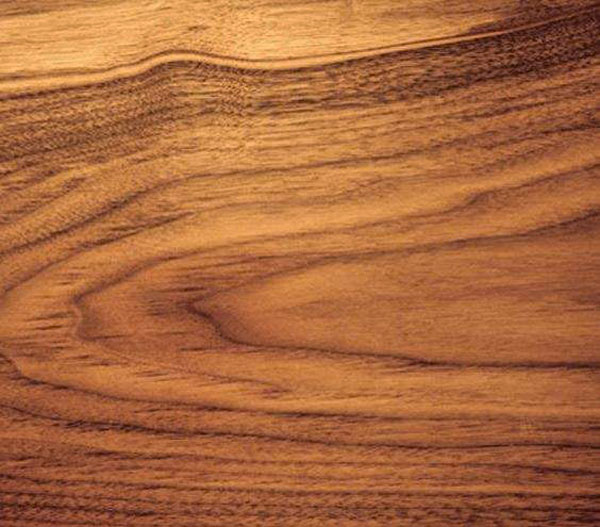
Walnut is one of the most versatile and popular wood types with a very fine texture. The wood is light to dark chocolate brown in colour with a straight grain in the trunk. Walnut is strong, hard and durable, without being excessively heavy, warp resistant. It has excellent woodworking qualities and takes finishes well. It is very expensive as compared to other hardwoods. Walnut is found in Europe, America and Asia. In India, it is found in Jammu and Kashmir, Uttar Pradesh and Himachal Pradesh.
Uses: It is an ideal wood choice for crafting dining table sets, coffee tables, veneer, musical instruments, gun stocks, etc.
In conclusion:
After reading all the different types of wood i have came to a conclusion that the best type of wood that i’ll be using in my design will be oak. As oak wood is prized in furniture making as well as in flooring and cabinetry because of its durability, workability, and natural beauty. White oak has some water resistance to it, so it has historically been the choice for crafting things like wine barrels and boats. Barrel-aged liquors are often aged in oak barrels.
Oak wood is generally straight-grained and has an uneven texture. However, there are other aspects of oak’s grain that makes it quite unique. For example, white oak’s water resistance lies in its pores. They’re totally sealed off by tyloses. Red oak doesn’t have the same cellular growth and its pores are open. One other unique characteristic of oak is the rays which run alongside the grain. In red oak, it can sometimes look like someone took a dark pencil and drew dotted lines across a board. The same marks are present in white oak as well, but they tend to be much longer.
White oak trees can grow as much as 100-feet-tall and to 50-inches in diameter. They mature and begin producing acorns within about 20 years.
Oak trees are found all over the world. They’re native to most states in the US as well. Here in Vermont, we have many varieties of oak, including red and white.
Although oak wood may darken slightly over time, taking on more amber tones. This happens due to exposure to oxygen and UV light, making it a largely unavoidable process. When it comes to oak furniture, most people won’t even realize the change is happening, as the color change is fairly subtle.
Oak trees grow in abundance, especially here in Vermont. Oak wood is generally a good choice in terms of eco-friendliness because it’s durable, which keeps it out of landfills, and is biodegradable. However, our craftsmen take it a step further and select sustainably-grown local wood as much as possible. That means you’re not contributing to deforestation, rainforests stay intact, local ecology is protected from the transport of invasive species, and the carbon footprint is minimized because transport is too.
The care of an oak piece will depend largely on how it’s finished or what measures have been taken to seal the wood. It’s also best to avoid commercial polishes and cleaning solutions, as these can often damage the finish.
 Angel
Angel 